US Court Dismisses Trump Administration Lawsuit Over Harvard Antisemitism
Source Entity
NDTV News Search Records Found 1000
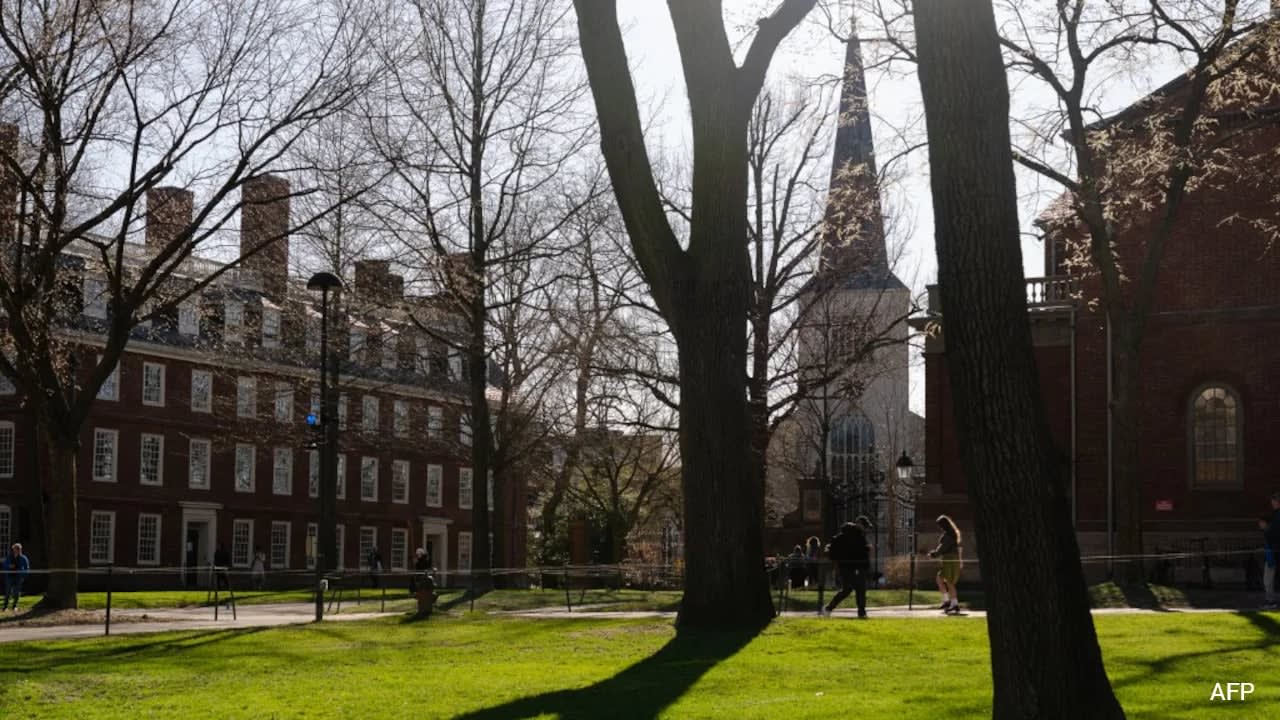
A U.S. court has dismissed a lawsuit filed by the Trump administration against Harvard University regarding alleged antisemitism. The court ruled that the government failed to provide sufficient evidence that the institution violated the Civil Rights Act.
Judicial Scrutiny of Institutional Compliance
In a recent legal development, a United States court has officially dismissed a lawsuit initiated by the Trump administration against Harvard University. The litigation centered on allegations of systemic antisemitism within the institution, with the government seeking to prove that the university failed to uphold its obligations under the Civil Rights Act. However, the court’s ruling indicates a significant evidentiary gap, concluding that the administration failed to substantiate its claims that Harvard breached federal civil rights mandates.
The Burden of Proof and Legal Standards
The dismissal highlights the rigorous burden of proof required when the federal government challenges the policies and internal conduct of private academic institutions. Under the Civil Rights Act, institutions receiving federal funding are prohibited from discriminating on the basis of race, color, or national origin. The court’s decision underscores that legal assertions of institutional failure must be backed by concrete evidence of policy breaches, rather than generalized allegations of bias. By failing to meet this threshold, the Trump administration’s case could not survive judicial review.
Contextualizing Academic Governance
This case sits at the intersection of federal oversight and academic freedom. Universities like Harvard operate under complex regulatory frameworks that require them to balance the protection of students against discrimination with the principles of free speech and open inquiry. When the government intervenes in these environments, the courts act as a critical arbiter, ensuring that federal enforcement actions remain grounded in established law. The court's focus on the specific requirements of the Civil Rights Act demonstrates a commitment to procedural due process in high-profile educational disputes.
Historical Precedent and Federal Oversight
The relationship between the federal government and elite universities regarding civil rights enforcement has long been contentious. Historically, the Department of Education has utilized its investigative powers to address complaints of discrimination on campus. However, as this ruling demonstrates, there are clear judicial limits to the government’s ability to penalize institutions. This outcome sets a precedent for how future administrations might approach similar allegations, emphasizing that federal litigation requires a high degree of specificity and documented proof of statutory violations.
Broader Implications for Higher Education
This ruling serves as a reminder to both academic institutions and government regulators regarding the necessity of evidentiary rigor. For Harvard and other universities, it reinforces the importance of maintaining clear, enforceable policies that align with the Civil Rights Act to mitigate legal risks. For policymakers, it highlights the challenges inherent in litigation-based approaches to campus climate issues. As the landscape of civil rights enforcement continues to evolve, the distinction between policy failure and actionable legal breach will remain a central point of contention in American jurisprudence.
Concluding Perspectives on the Ruling
Ultimately, the dismissal of this lawsuit serves to clarify the legal boundaries of federal intervention in university affairs. By ruling that the Trump administration did not sufficiently prove a breach of the Civil Rights Act, the court has prioritized the necessity of empirical evidence over administrative claims. Moving forward, this case will likely serve as a reference point for legal scholars and policy analysts examining the limits of government oversight in higher education, reaffirming that the judiciary remains a vital check on administrative power.
Verification Required?