'Internet access is fundamental right': SC suggests ‘child mode’ for social media accounts
Source Entity
AYUSH PANDEY
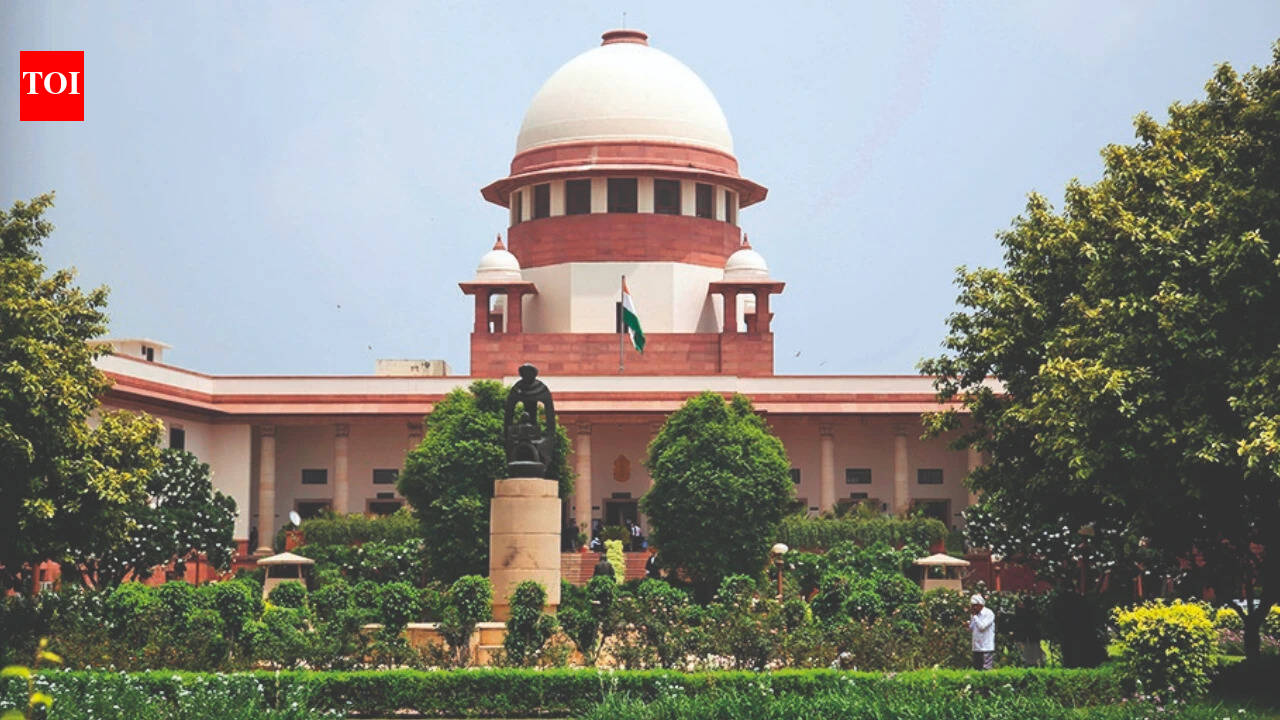
The Supreme Court of India has affirmed that internet access is a fundamental right for children, rejecting blanket bans in favor of safer online environments. The court mandated that social media platforms implement 'child mode' features and strictly curb the distribution of sexually explicit content involving minors.
The Supreme Court’s Landmark Ruling on Digital Rights
In a significant judicial development, the Supreme Court of India has reaffirmed that access to the internet is a fundamental right under Articles 21 and 19(1)(a) of the Constitution, explicitly extending this protection to children. The bench, comprised of Justices J.B. Pardiwala and K. Vinod Chandran, emphasized that a child’s right to safety and their freedom to access digital information are not mutually exclusive. This ruling marks a pivotal shift in how the Indian judiciary approaches digital governance, moving away from restrictive measures toward a model of managed, protected access.
Moving Beyond Blanket Restrictions
The Court explicitly warned against the implementation of blanket bans on children’s online activity. The reasoning provided is grounded in the reality of the digital landscape: when children are prohibited from accessing mainstream platforms, they do not simply stop using the internet. Instead, they migrate to unregulated and potentially more dangerous corners of the web. By keeping children within the ecosystem of regulated platforms, the Court argues, authorities can better implement safety mechanisms rather than forcing minors into clandestine, high-risk digital environments.
The Mandate for 'Child Mode'
To bridge the gap between freedom and security, the Court has advocated for the introduction of a ‘child mode’ across social media platforms. This feature is intended to act as a systemic safeguard, filtering harmful interactions and content without stripping children of their constitutional right to digital participation. This directive places the burden of safety directly on tech intermediaries, requiring them to proactively design their platforms to prioritize the protection of minors rather than treating safety as an afterthought.
Curbing Child Sexual Exploitation and Abuse Material (CSEAM)
A core driver of this intervention is the failure of social media platforms to comply with existing legal obligations regarding Child Sexual Exploitation and Abuse Material (CSEAM). The Court expressed deep frustration with the lack of action following its 2024 directives. Consequently, the bench has issued a strict prohibition on hosting, promoting, or offering any content that depicts minors in a sexually explicit manner, specifically targeting material behind paywalls and subscription models.
Strengthening Accountability and Reporting
The legal proceedings, initiated by the ‘Just Rights for Children Alliance,’ highlighted systemic lapses in how intermediaries report illegal content to Indian authorities. The Court’s insistence on uniform reporting procedures and a centralized portal signifies an intent to move toward more robust, transparent, and enforceable accountability standards. Platforms are no longer viewed merely as service providers but as entities with a constitutional duty to protect the vulnerable.
Future Implications for Digital Policy
This ruling establishes a precedent that will likely shape India’s future digital policy, particularly regarding the intersection of constitutional rights and technological regulation. By mandating technical solutions like 'child mode' and enforcing strict content moderation for minors, the Supreme Court is setting a high bar for tech giants. Moving forward, platforms will need to align their business models with these safety mandates, as the Court has made it clear that non-compliance will no longer be tolerated in the face of the constitutional entitlement to a safe internet.