'Foolproof system, difficult to breach': Centre lists NEET security measures before SC
Source Entity
AYUSH PANDEY
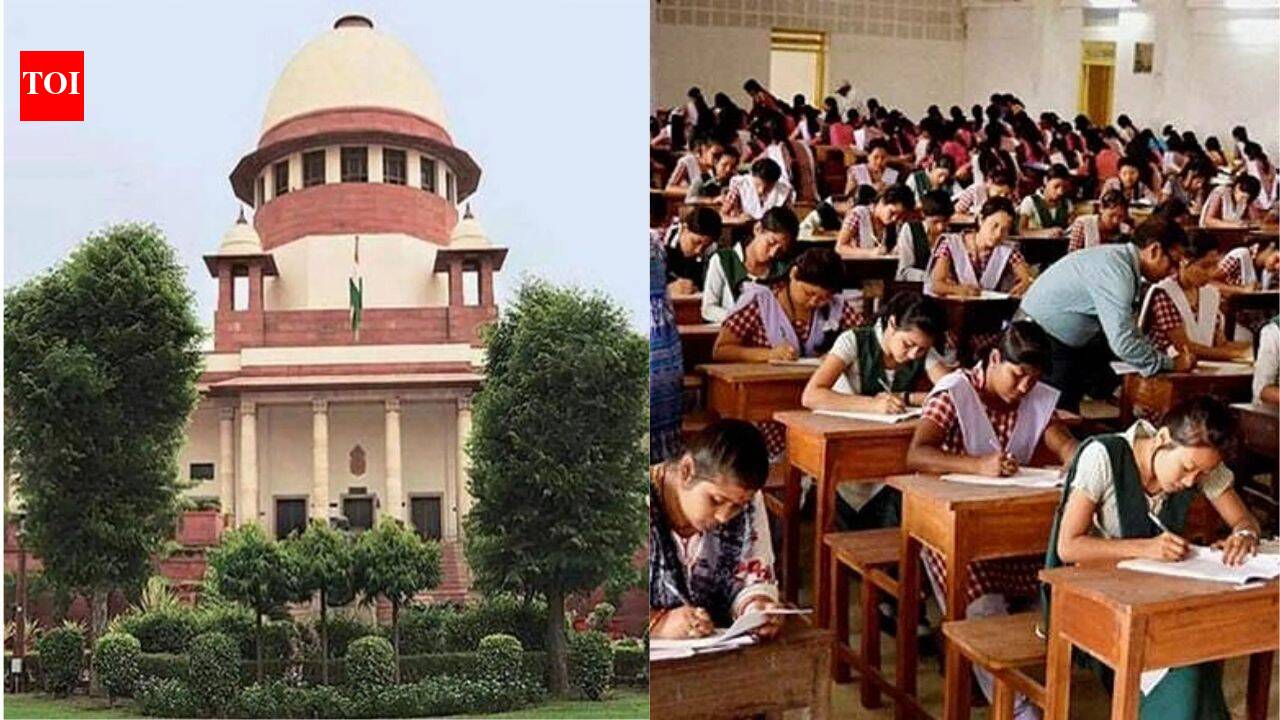
The Supreme Court has directed the Centre to institutionalize reforms within the NTA to prevent exam leaks, moving away from temporary committee-based solutions. The court aims to transform the NTA into a robust, reliable body modeled after the UPSC's long-standing exam integrity.
The Quest for Institutional Integrity in NEET-UG
The ongoing scrutiny of the National Testing Agency (NTA) by the Supreme Court of India marks a critical juncture for the country's public examination system. Following the NEET-UG 2026 paper leaks, the judiciary has intervened to demand more than just cosmetic changes. The Centre’s recent assertion that its current security system is "foolproof" has been met with skepticism by the Supreme Court, which is pushing for a deeper, more permanent transformation of the NTA's operational framework.
Moving Beyond Committee-Hopping
A central theme in the Supreme Court’s recent observations is the criticism of "committee-hopping." The Bench, led by Justice P.S. Narasimha, has explicitly cautioned the government against abandoning the findings of the Radhakrishnan Committee in favor of the newly appointed Nandan Nilekani task force. The court emphasized that systemic problems require institutionalization rather than a revolving door of advisory panels. This signals the judiciary's desire to see a cohesive, long-term strategy rather than reactive measures to individual crises.
The UPSC Model as a Benchmark
By citing the Union Public Service Commission (UPSC) as a gold standard, the Supreme Court is setting a clear trajectory for the NTA. The UPSC is lauded for its "institutional memory" and consistent, secure delivery of high-stakes examinations over decades. The Court’s objective is to force the NTA to transition from a body that is currently perceived as vulnerable to one that possesses the deep-rooted expertise and procedural rigor required to conduct exams without the recurring threat of breaches.
The Role of Technological Reforms
The appointment of Nandan Nilekani, co-founder of Infosys, to lead a task force highlights the government's intent to utilize advanced technology to secure the examination process. While the Centre believes their current systems are robust, the Court’s insistence on an affidavit detailing the implementation of both the Radhakrishnan and Nilekani committee recommendations suggests that technology alone is insufficient. The focus must remain on the synergy between technological safeguards and the human, administrative processes that govern exam integrity.
Accountability and Future Outlook
The requirement for the Centre to submit an affidavit detailing the progress of these reforms serves as a mechanism for judicial oversight. By demanding transparency, the Supreme Court is ensuring that the NTA remains under a microscope, forcing the agency to evolve into a "vibrant institution." The future of the NEET-UG and other public exams hinges on whether the government can successfully integrate these expert recommendations into its core administrative structure, thereby restoring the public trust that has been severely eroded by recent leaks.
Conclusion
In summary, the Supreme Court's intervention is not merely about addressing a single exam cycle but about the survival and credibility of India's competitive examination ecosystem. The shift from ad-hoc solutions to institutionalized, reliable protocols is essential. As the NTA works to align its operations with the standards set by the UPSC, the legal and administrative focus will remain on whether these reforms can withstand the pressures of future testing cycles.