CMRL-Exalogic case: In an update from oral pronouncement, Supreme Court specifies freeze period as 10 days in published order
Source Entity
India Latest News: Top National Headlines Today & Breaking News | The Hindu
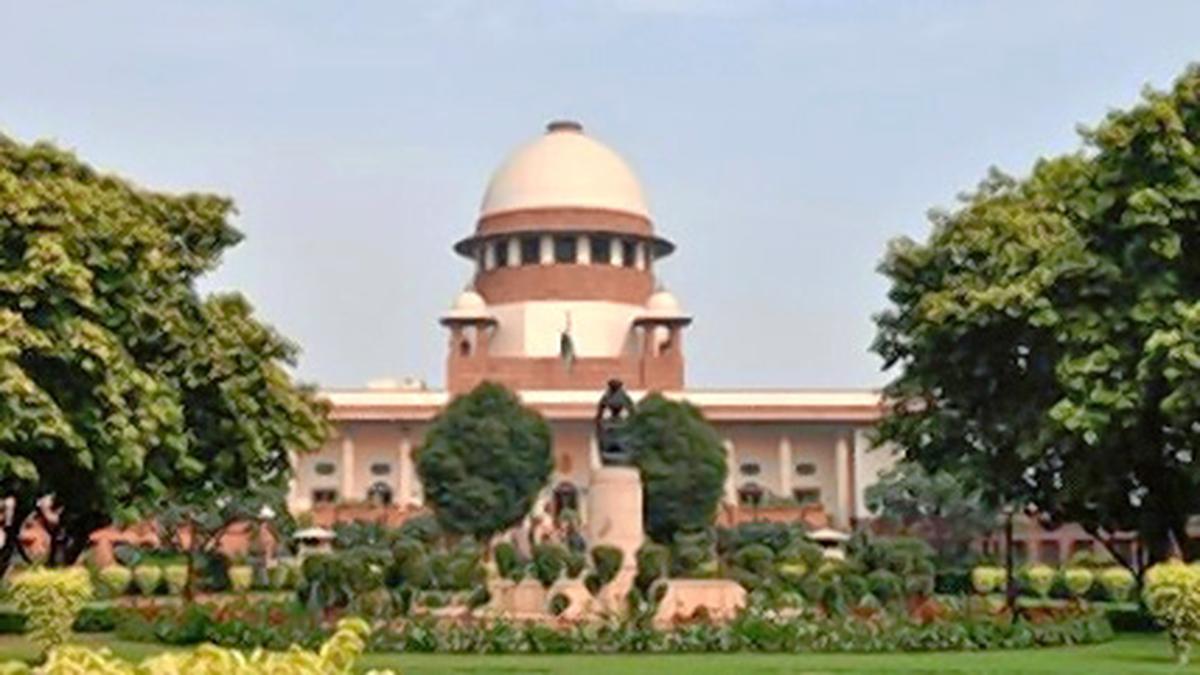
The Supreme Court has extended the stay on the investigation into the CMRL-Exalogic payoff case from seven to ten days. This legal update concerns FIRs filed against Kerala politician Pinarayi Vijayan and his family members.
Legal Update in the CMRL-Exalogic Case
The Supreme Court of India has provided a significant update regarding the ongoing legal scrutiny of the CMRL-Exalogic payoff case. In a development that clarifies the procedural timeline, the court has officially extended the stay on the investigation into the First Information Reports (FIRs) involving high-profile Kerala political figures to a period of ten days. This adjustment corrects the initial oral pronouncement made in open court on October 21, which had originally set the stay duration at seven days.
Discrepancy Between Pronouncement and Order
The transition from an oral instruction to a formal written order is a critical phase in judicial proceedings. While the courtroom proceedings on October 21 specified a seven-day window, the finalized, published order explicitly records the stay as ten days. This distinction is vital for the parties involved—former Kerala Chief Minister Pinarayi Vijayan, his daughter T. Veena, and his son-in-law, former Minister P.A. Mohamed Riyas—as it provides a slightly expanded timeframe for legal strategy before the investigation can resume.
Understanding the Scope of the Investigation
The CMRL-Exalogic case centers on allegations of illegal payoffs, which have drawn intense public and political scrutiny. By staying the investigation, the Supreme Court has temporarily halted the progression of FIRs that directly implicate members of the state's political leadership. This judicial intervention is standard in high-stakes litigation, allowing the court to deliberate on the merits of the case without the pressure of an active, potentially disruptive investigation.
Judicial Caution and Interim Relief
It is important to note the court's explicit caveat within the order. The bench clarified that this stay should not be interpreted as a conclusive opinion regarding the merits of the interim relief sought by the petitioners. By framing the order this way, the judiciary maintains its neutrality, ensuring that the temporary halt on proceedings is seen as a procedural necessity rather than a judgment on the culpability or innocence of the individuals named in the FIRs.
Broader Political Implications
The implications of this case are profound, given the stature of the individuals involved. As the investigation moves forward, the legal battle will likely continue to influence the political climate in Kerala. The extension of the stay provides a brief reprieve, but it also signals that the court is closely managing the pace of the inquiry to ensure a balanced approach to the sensitive allegations leveled against the political establishment.
Conclusion and Future Outlook
As the ten-day window progresses, all eyes remain on the upcoming proceedings before the Division Bench. The court’s decision to formally document the extension reflects the precision required in managing complex cases involving public officials. Moving forward, the legal teams for both the state and the petitioners will likely utilize this time to prepare their arguments, as the judiciary continues to weigh the necessity of the investigation against the rights of the accused.
Verification Required?