Supreme Court panel suggests capacity study for tourism hubs in Himachal, more scrutiny of highway expansions
Source Entity
Nikhil Ghanekar
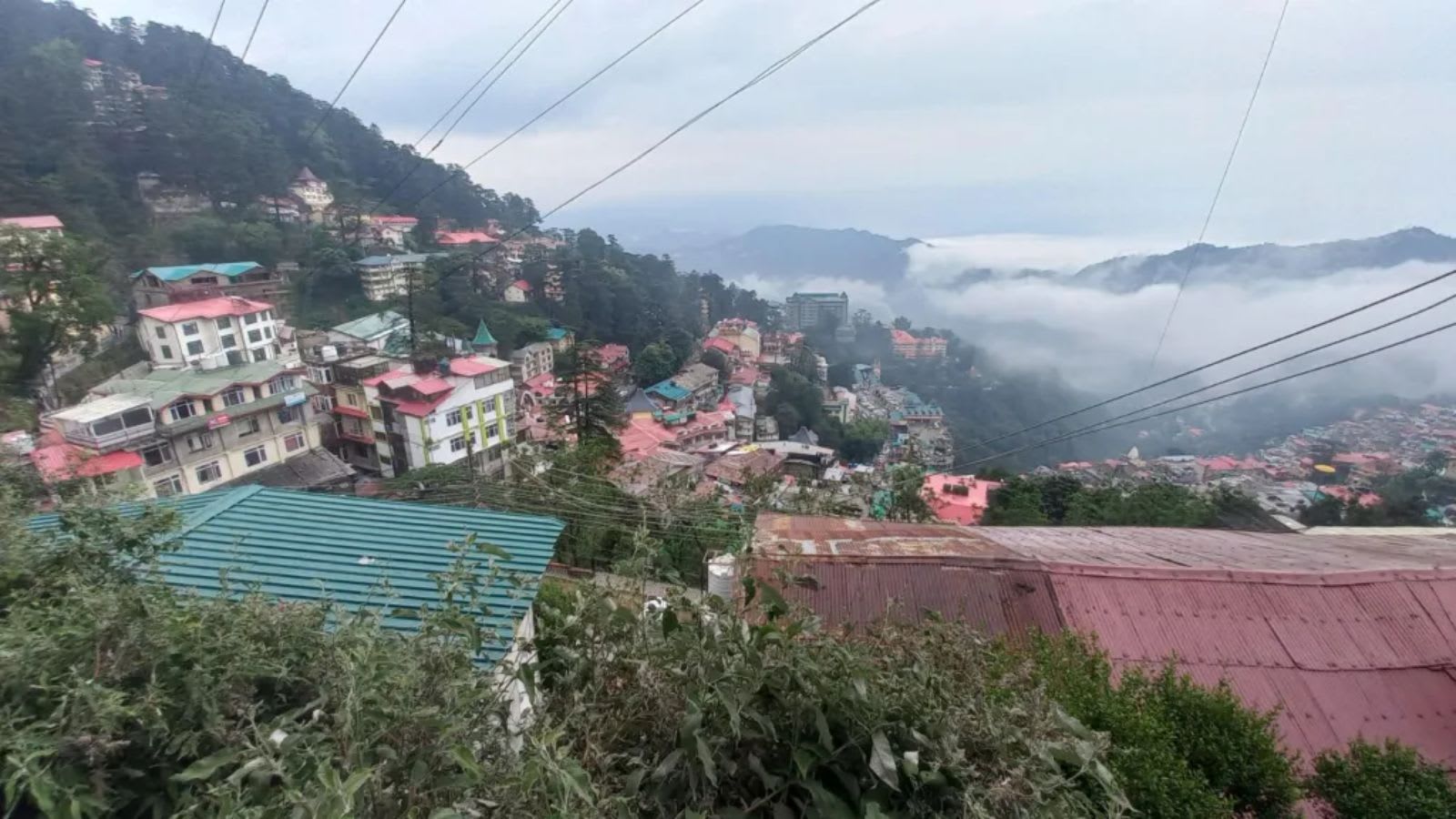
The Supreme Court’s Central Empowered Committee has proposed strict environmental oversight for Himachal Pradesh, including carrying capacity studies for tourist hubs. The recommendations aim to regulate infrastructure expansion and ensure ecological sustainability in the fragile Himalayan region.
Protecting the Himalayan Ecology: A New Regulatory Framework
The Supreme Court’s Central Empowered Committee (CEC) has issued a landmark set of recommendations aimed at safeguarding the fragile ecology of Himachal Pradesh. Tasked with reviewing the cumulative impact of development, the CEC’s report addresses the urgent need for a paradigm shift in how the state manages its rapid urbanization and infrastructure growth. By focusing on critical thematic areas—hydroelectric projects, compensatory afforestation, road networks, and high-rise construction—the committee seeks to mitigate the increasing vulnerability of the Himalayan landscape to environmental disasters.
Assessing Carrying Capacity in Tourist Hubs
One of the most significant proposals is the mandatory assessment of the 'carrying capacity' for major tourist destinations. Himachal Pradesh has seen an unprecedented influx of visitors, which often outpaces the existing infrastructure's ability to manage waste, water supply, and traffic. By formalizing a carrying capacity study, the state government can move toward sustainable tourism models that prioritize ecological limits over unregulated expansion, preventing the degradation of popular hill stations.
Stricter Scrutiny for Infrastructure Expansion
Infrastructure development, particularly the expansion of hill roads and railway lines, has been a contentious issue due to the widespread cutting of slopes and forest cover. The CEC has recommended that any expansion of hill roads into two or more lanes must now undergo mandatory environmental clearance. This regulatory hurdle is designed to ensure that the ecological cost of connectivity is fully accounted for before the first shovel hits the ground, effectively curbing the 'development at any cost' mindset that has historically plagued mountain infrastructure projects.
The Role of Compensatory Afforestation
Forest preservation is a cornerstone of the CEC’s report, which highlights the necessity of completing pending compensatory afforestation works. When development projects necessitate the removal of forest cover, the requirement to replace that greenery is often delayed or inadequately managed. The committee’s insistence on completing these works is vital to maintaining the biodiversity and soil stability of the region, which acts as a natural buffer against landslides and flash floods.
Long-Term Implications for Himalayan Development
These recommendations represent a shift toward a more proactive judicial oversight of environmental governance. By examining multi-storey buildings and hydroelectric projects alongside road networks, the CEC is acknowledging that the environmental impact in Himachal Pradesh is cumulative rather than isolated. If implemented, these measures will force state authorities to balance economic development with the preservation of the state's natural heritage, setting a precedent for other sensitive ecological zones across India.
Future Trends and Conclusion
Looking forward, the integration of these recommendations into state policy will likely lead to more rigorous environmental audits and a deceleration of high-impact construction projects in ecologically sensitive corridors. While this may pose short-term challenges for the tourism and construction sectors, it is a necessary evolution for long-term survival. The Supreme Court's intervention underscores the reality that in an era of climate change, the health of the Himalayas is non-negotiable for the broader environmental stability of the Indian subcontinent.
Multiple Citing Sources