SC raises compensation for blind accident victim from ₹2.94 cr to ₹3.77 cr
Source Entity
Latest News: Todays Latest News Headlines from India & World | Hindustan Times | Hindustan Times
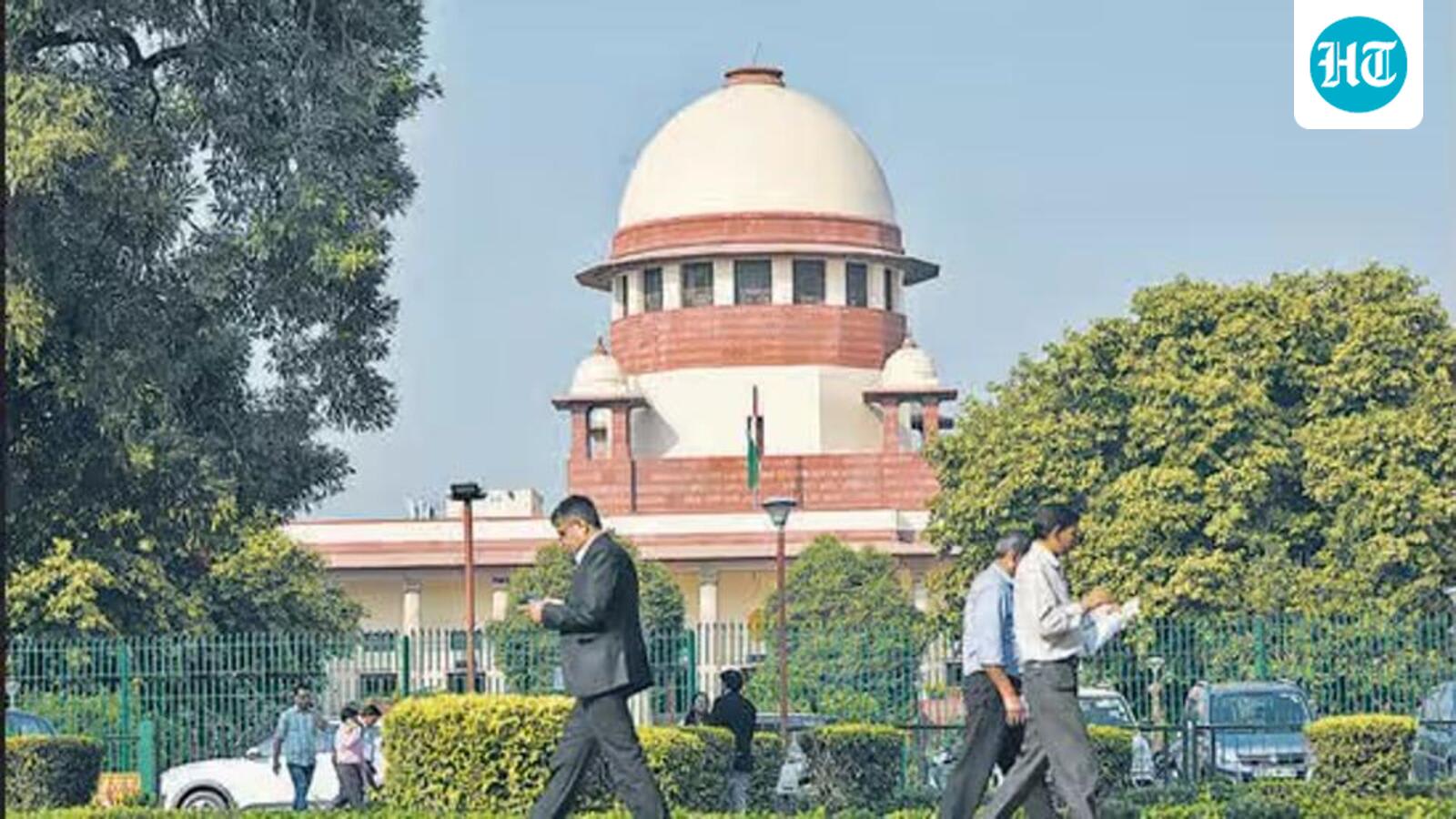
The Supreme Court of India increased a 2011 accident victim's compensation to ₹3.77 crore. The court ruled that continued employment does not negate the loss of earning capacity caused by total blindness.
Supreme Court Sets New Precedent for Disability Compensation
The Supreme Court of India has delivered a significant ruling, enhancing the compensation for a woman rendered completely blind in a 2011 road accident from ₹2.94 crore to ₹3.77 crore. This judgment, delivered by a bench comprising Justices SVN Bhatti and NV Anjaria, marks a crucial shift in how the judiciary approaches the assessment of damages in motor accident claims, particularly regarding victims who remain employed post-accident.
Redefining Functional Disability
At the heart of this ruling is the court's interpretation of 'functional disability.' The bench explicitly rejected the notion that a victim’s continued employment serves as proof that their earning capacity is unaffected. By treating the victim's disability as 100%, the court acknowledged that the severe pelvic injuries and total blindness sustained in the 2011 incident created insurmountable barriers to career progression and necessitated extensive workplace support that was not previously required.
The 'Open Market' Standard
Justice Bhatti and Justice Anjaria emphasized that compensation assessments must be viewed through the lens of an 'open, competitive labour market.' The court reasoned that while a victim may retain their current job, the loss of sight drastically diminishes their prospects for advancement, mobility, and competitive edge in the broader workforce. This standard forces lower courts and tribunals to look beyond mere salary slips and consider the total loss of professional potential.
Broader Implications for Accident Victims
This decision serves as a landmark precedent for future Motor Accident Claims Tribunal (MACT) cases. Historically, defendants often argued that if a victim returned to work, their claim for loss of earning capacity should be mitigated or dismissed. This ruling effectively dismantles that defense, ensuring that victims who show resilience by staying employed are not penalized in their pursuit of fair financial restitution.
Societal and Legal Impact
By increasing the compensation to ₹3.77 crore, the Supreme Court has underscored the state's responsibility to provide robust financial security for those whose lives are permanently altered by road accidents. This move aligns with a growing judicial trend toward more compassionate and realistic damage assessments, ensuring that victims have the means to cover the lifelong costs associated with specialized care, assistance, and the loss of quality of life.
Conclusion
Ultimately, this judgment reaffirms the principle that justice in personal injury cases must account for the qualitative loss of professional life. By prioritizing the victim's long-term earning potential in a competitive environment over short-term employment status, the Supreme Court has paved the way for more equitable compensation standards, ensuring that disability does not equate to a loss of dignity or financial stability.
Verification Required?