Accept agency, fight coercion
Source Entity
Latest News: Todays Latest News Headlines from India & World | Hindustan Times | Hindustan Times
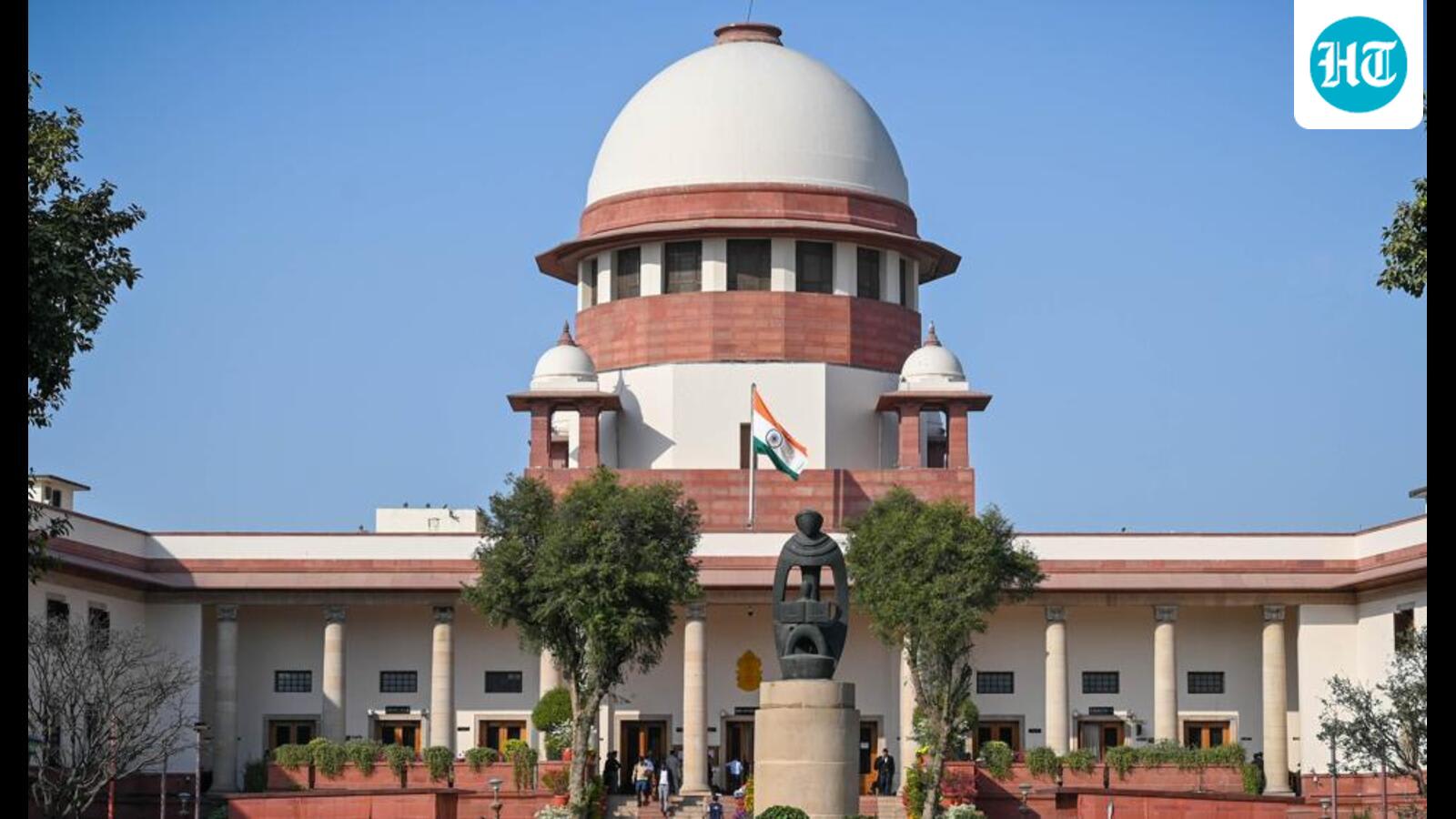
The Supreme Court has mandated a 'threshold inquiry' during anti-trafficking operations to distinguish between voluntary sex work and human trafficking. This directive reinforces the legal agency of sex workers and ensures that adult women are not coerced under the guise of rescue.
Rethinking Anti-Trafficking: The Supreme Court’s New Mandate
The Supreme Court of India has introduced a pivotal procedural shift in how law enforcement agencies approach anti-trafficking operations. By mandating that magistrates conduct a 'threshold inquiry' when dealing with sex workers, the Court is seeking to bridge the gap between necessary victim protection and the fundamental rights of adult sex workers. This development is a critical acknowledgement that the blanket conflation of sex work with trafficking often results in the erosion of a woman's individual agency.
Distinguishing Agency from Coercion
Historically, anti-trafficking raids have often been conducted with a 'rescue' mentality that fails to account for the autonomy of the individuals involved. The Court’s directive serves as a corrective measure, emphasizing that sex work itself is not an offence under the law. By requiring a judicial inquiry, the Court ensures that the state does not inadvertently infringe upon the rights of an adult woman who has chosen her profession, thereby protecting her from state-sponsored coercion disguised as protection.
The Role of the Threshold Inquiry
While the concept of an inquiry is not entirely new—magistrates have long been responsible for verifying the age and background of trafficking victims—the current directive elevates this process to a mandatory safeguard. This procedural intervention is intended to force a more granular investigation before legal action is taken. It shifts the burden of proof, requiring authorities to demonstrate evidence of coercion or non-consensual activity rather than assuming that all sex work is the result of criminal trafficking.
Legal Precedents and Constitutional Rights
This move aligns with the Court’s broader jurisprudential trend of upholding personal liberty. By asserting that an adult woman has both the right to remain in her profession and the right to exit it, the judiciary is reinforcing the constitutional protections afforded to all citizens. The Court is essentially stating that the state’s duty to prevent trafficking must not come at the expense of the autonomy of women who operate within the sex industry by choice.
Future Implications for Law Enforcement
This directive will likely necessitate a transformation in how police and social workers interact with the sex work community. Future operations will now require a higher standard of evidence and a more nuanced understanding of consent. By institutionalizing this threshold inquiry, the legal system is moving toward a model that prioritizes the dignity and rights of sex workers, potentially reducing the trauma associated with arbitrary raids and forced rehabilitation.
Conclusion
The Supreme Court’s recent intervention represents a landmark shift in the Indian legal landscape. By mandating a threshold inquiry, the judiciary has taken a firm stance against the conflation of sex work and trafficking, ensuring that the state remains a protector of rights rather than an agent of unnecessary interference. This approach not only respects the agency of sex workers but also sets a standard for more precise and humane law enforcement practices moving forward.
Verification Required?