Supreme Court gives food regulator 2-week notice: Why are food labels still missing?
Source Entity
Anonna Dutt
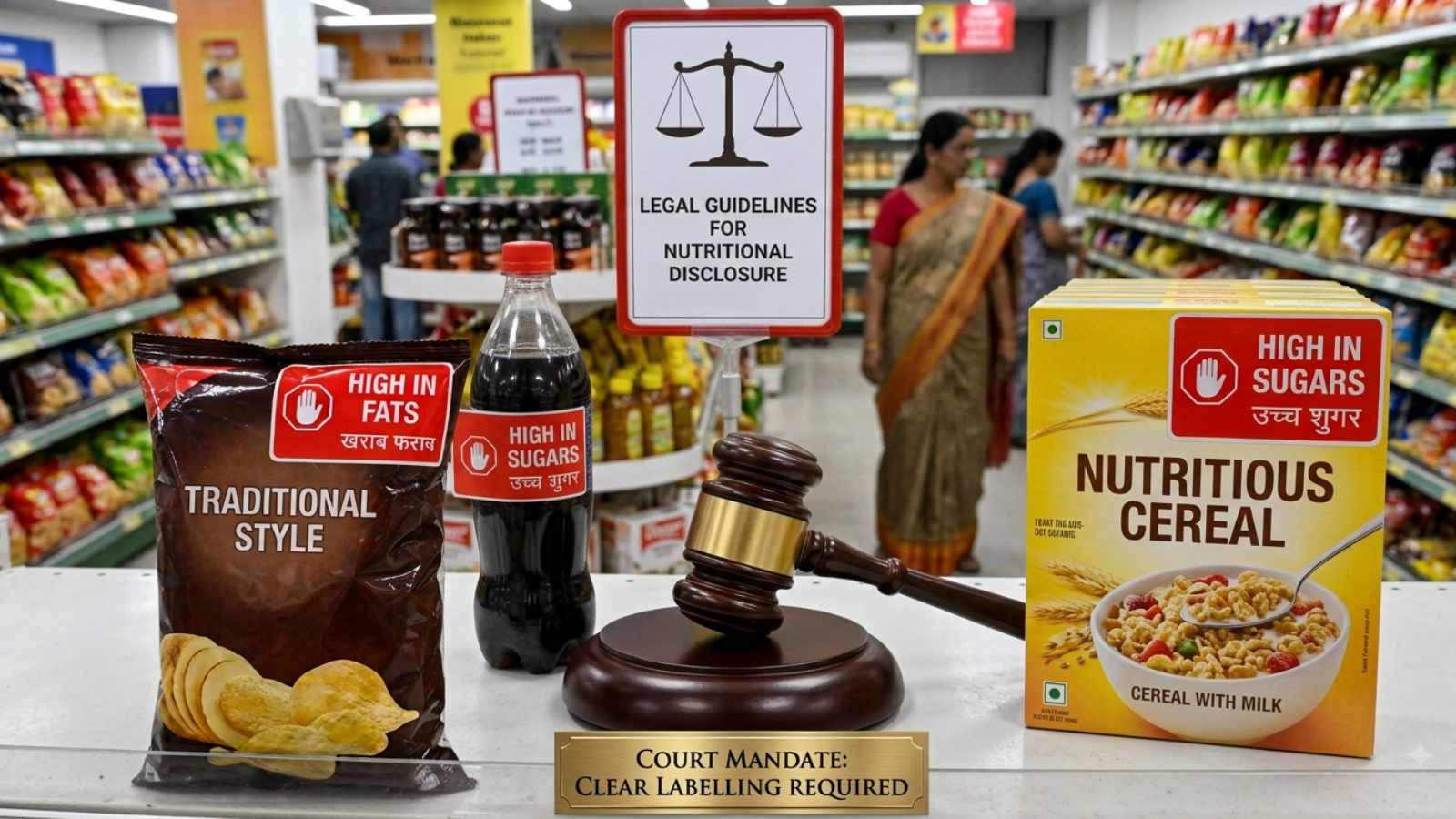
The Supreme Court has reprimanded the FSSAI for failing to implement mandatory front-of-pack warning labels on packaged foods. The court has granted a two-week window for compliance, citing public health concerns regarding sugar, salt, and fat content.
Supreme Court Pressures FSSAI Over Food Labeling Delays
A Stalled Public Health Mandate
In a sharp rebuke delivered on August 13, 2026, the Supreme Court of India expressed deep frustration with the Food Safety and Standards Authority of India (FSSAI). The bench, led by Justice J.B. Pardiwala, demanded to know why the regulator had failed to implement front-of-pack (FOP) warning labels despite explicit directions issued in February. The court’s pointed inquiry—asking if the regulator was "taking the court for a toss"—underscores the gravity of the ongoing delays that have plagued this initiative for nearly six years.
The Necessity of Front-of-Pack Labels
At the heart of the litigation is the implementation of clear, accessible warning systems on packaged food. These labels, envisioned as red or black graphic indicators, are intended to alert consumers instantly to high levels of fats, sugars, and salts. By providing this information on the front of the packaging rather than burying it in the fine print of nutritional tables, the FSSAI aims to empower citizens to make informed dietary choices, thereby addressing the rising prevalence of lifestyle-related health issues.
Legal Context and Judicial Intervention
The judicial scrutiny follows a petition filed by the Kerala-based NGO, 3S and Our Health Society. The NGO has been instrumental in pushing the Centre to mandate these warnings as a matter of public interest. The court’s intervention highlights a systemic struggle within the regulatory framework, where draft notifications—such as the one proposed in 2022—have failed to translate into concrete, enforceable market regulations, leading the bench to question whether the regulator is prioritizing public health or corporate interests.
Implications for Child Nutrition
One of the most emotive aspects of the court's questioning was the direct challenge posed to the FSSAI: "Do you not want children to grow up healthy?" This highlights the broader societal implication of the delay. As processed food consumption rises among younger demographics, the lack of transparent labeling poses a significant risk to long-term public health outcomes, including childhood obesity and diabetes, making the FSSAI's inertia a matter of urgent national concern.
Future Trends and Accountability
The Supreme Court has now granted a strict two-week notice for the FSSAI to provide a progress report or face a formal court order. This deadline marks a pivotal shift in the legal battle, moving from consultative delays to mandated accountability. If the FSSAI fails to act within this window, the court's potential to pass a binding order could fundamentally restructure food labeling standards in India, setting a precedent for how regulatory bodies handle public health mandates under judicial oversight.
Multiple Citing Sources