No EC nod needed for voter to sue candidate over false information: Supreme Court
Source Entity
AMIT ANAND CHOUDHARY
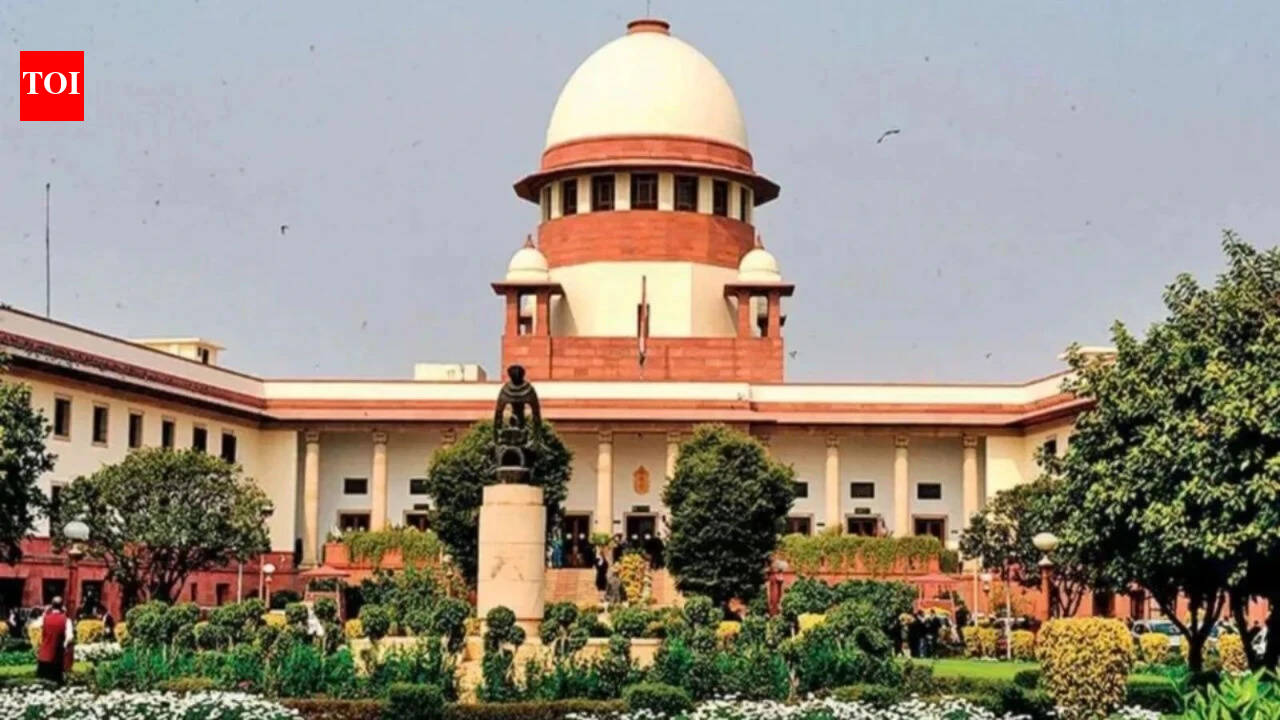
The Supreme Court has ruled that voters can file private criminal complaints against candidates for filing false affidavits under Section 125-A of the RP Act. This decision removes the requirement for Election Commission approval, empowering citizens to hold candidates accountable.
Strengthening Electoral Integrity: The Supreme Court's Landmark Ruling
The Supreme Court of India has delivered a significant verdict that bolsters the democratic process by affirming the right of individual voters to initiate criminal proceedings against electoral candidates who provide false information in their affidavits. By overturning a previous order from the Karnataka High Court, the bench of Justices Dipankar Datta and Sheel Nagu has clarified that the legal pursuit of electoral transparency is not the exclusive domain of the Election Commission of India (ECI).
Understanding Section 125-A of the RoP Act
At the heart of this legal development is Section 125-A of the Representation of the People (RoP) Act, which was introduced in 2002 to mandate full disclosure by candidates regarding their criminal antecedents, assets, and educational qualifications. The legislative intent behind this section was to ensure that voters have access to accurate information to make an informed choice. The Supreme Court's ruling reinforces this intent, ensuring that the 'right to know' is backed by a robust, actionable legal mechanism available directly to the electorate.
Overturning the Karnataka High Court's Limitation
Previously, the Karnataka High Court had suggested that a voter's recourse was restricted solely to filing an election petition, and that criminal proceedings for false declarations were a matter for the Election Commission to pursue at its discretion. The Supreme Court has now explicitly rejected this narrow interpretation. By ruling that a private complaint is maintainable, the apex court has effectively decentralized the enforcement of electoral integrity, placing the power of oversight directly into the hands of the citizenry.
Broader Implications for Democratic Accountability
This decision carries profound implications for the Indian electoral landscape. It shifts the power dynamic between the candidate and the voter, transforming the latter from a passive participant into an active watchdog. By bypassing the need for ECI approval, the judicial process becomes more accessible, potentially deterring candidates from filing misleading affidavits due to the heightened risk of immediate legal repercussions initiated by their own constituents.
Future Trends in Electoral Litigation
Looking ahead, this ruling is likely to trigger a surge in litigation concerning electoral transparency. While this serves as a deterrent against corruption and dishonesty, it also necessitates a cautious approach to ensure that the process is not weaponized for frivolous or politically motivated complaints. The judiciary will likely need to establish clear frameworks to distinguish between substantive claims of perjury and vexatious litigation as these private complaints begin to move through the lower courts.
Conclusion: Empowering the Voter
Ultimately, the Supreme Court’s decision is a milestone in the evolution of Indian electoral law. By affirming that the duty to uphold the sanctity of the electoral process is a shared responsibility between the state and the citizen, the court has reinforced the bedrock of Indian democracy. This ruling ensures that the affidavit process is not merely a bureaucratic formality, but a binding commitment that carries tangible, personal legal consequences for those seeking public office.