With Susie Wiles’s Departure, Big Business Loses a Sympathetic Ear
Source Entity
Latest News: Todays Latest News Headlines from India & World | Hindustan Times
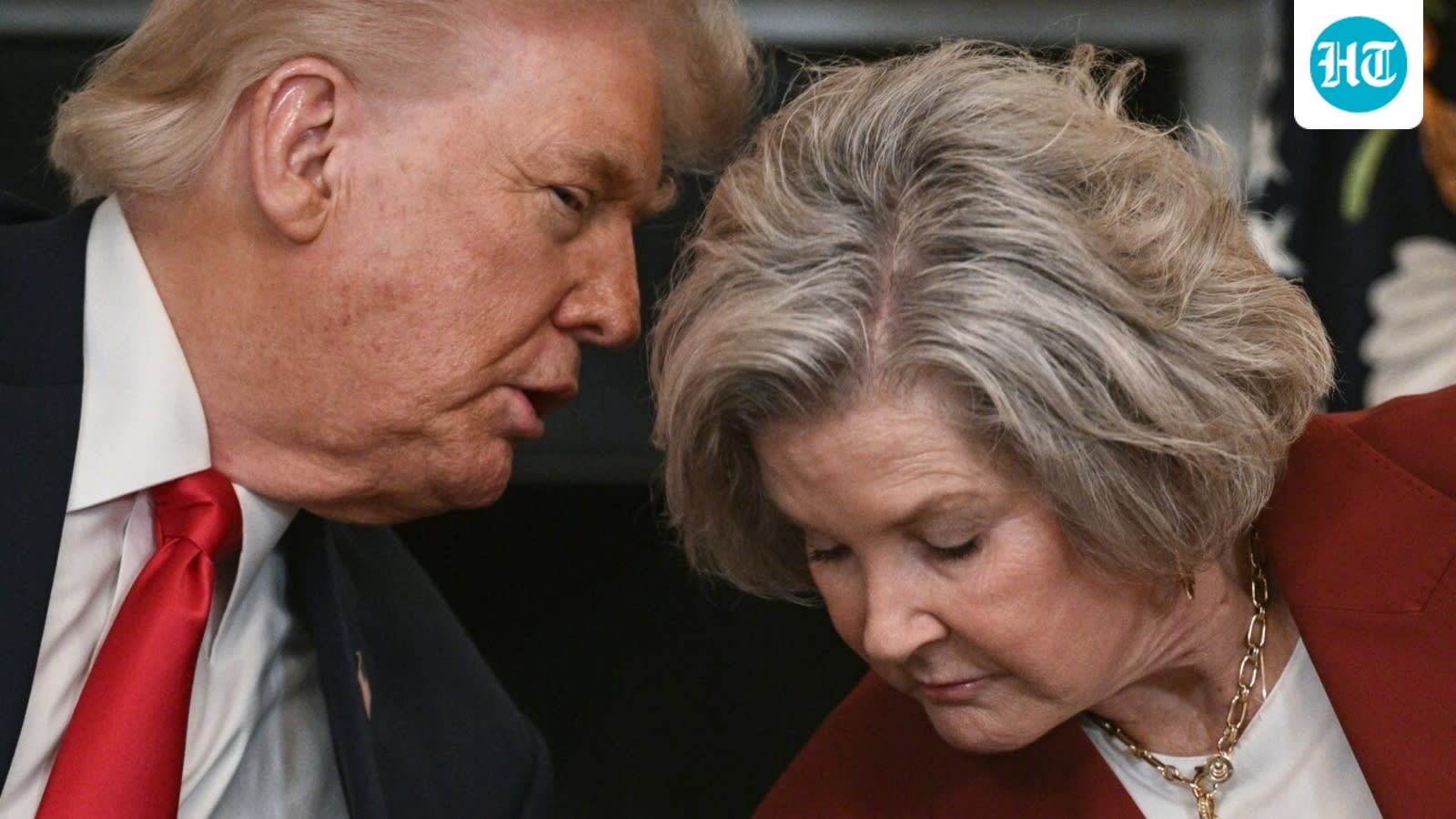
Susie Wiles’s departure as White House chief of staff creates a significant void for corporate leaders who relied on her as a key intermediary. Major financial institutions now face uncertainty in navigating administration policy without their primary point of contact.
The Departure of a Corporate Liaison
The resignation of Susie Wiles as White House chief of staff marks a pivotal shift in the operational dynamics between the Trump administration and the American corporate sector. For many of the world's largest companies, Wiles functioned as more than just a staffer; she was a critical conduit, a 'go-to' strategist capable of navigating the often-opaque corridors of presidential decision-making. Her departure leaves a vacuum that many industry leaders are currently scrambling to fill, as they lose their most reliable sounding board for addressing potentially damaging policy shifts.
The Role of the Interlocutor
In the high-stakes environment of modern Washington, the position of chief of staff acts as the ultimate gatekeeper. Wiles occupied a unique space where she could balance the aggressive policy goals of the Trump administration with the pragmatic concerns of the business community. Lobbyists and corporate surrogates frequently utilized her office as a last-resort mechanism to mitigate regulatory or legislative threats. By serving as a bridge, Wiles provided a level of predictability that global corporations—ranging from financial powerhouses to advocacy groups—deemed essential for market stability.
Impact on Wall Street and Financial Titans
The reliance on Wiles was particularly evident within the financial services sector. Senior executives, including JPMorgan CEO Jamie Dimon and Citigroup CEO Jane Fraser, consistently engaged with Wiles and her deputy, James Blair. These relationships were not merely ceremonial; they were strategic channels of communication designed to provide the administration with insights into the potential economic impacts of proposed policies. The loss of this specific, high-level access forces these institutions to recalibrate their engagement strategies, potentially leading to increased uncertainty in how they advocate for their interests.
Shifting Dynamics in Executive Access
Historically, the relationship between the White House and Big Business is characterized by a mix of alignment and friction. Wiles’s tenure was marked by a professionalized approach to this tension, where she could translate corporate concerns into language that resonated with the administration’s core objectives. Without her presence, the 'go-to' strategy for corporate lobbyists—which involved direct, high-level appeals to her office—is effectively dismantled. This shift necessitates a new wave of relationship-building for those seeking to influence the executive branch.
Future Trends and Institutional Uncertainty
As the administration moves forward without Wiles, the corporate world will likely experience a period of transition. The absence of a trusted interlocutor often leads to a more fractured lobbying environment, where multiple actors compete for influence without a centralized point of contact. For the business community, the challenge lies in identifying a successor who possesses both the trust of the President and the willingness to engage with the concerns of major financial players. Until such a figure emerges, the ease of access that defined the Wiles era will be significantly diminished, potentially altering the landscape of corporate influence in Washington.
Verification Required?