Sustainable fashion is getting a makeover: 8 Eco-friendly fabrics to wear instead of fast fashion
Source Entity
Latest News: Todays Latest News Headlines from India & World | Hindustan Times | Hindustan Times
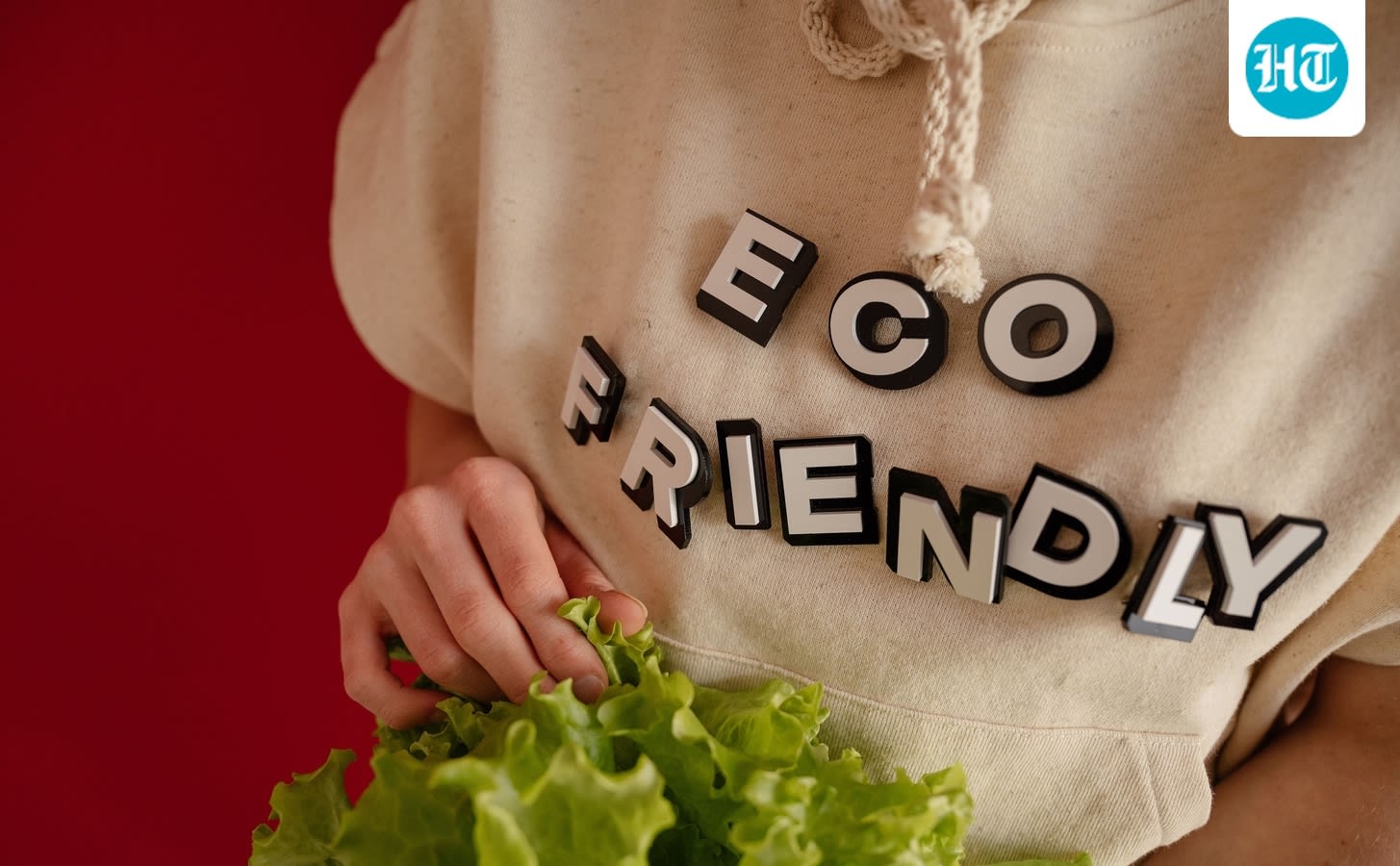
Sustainable fashion is shifting toward eco-conscious materials like organic cotton, linen, hemp, and Tencel. These alternatives offer a viable, stylish path away from the environmental degradation caused by traditional fast fashion.
The Paradigm Shift in Modern Apparel
The global fashion industry is undergoing a significant transformation as consumer awareness regarding environmental impact reaches an all-time high. The traditional fast fashion model, characterized by rapid production cycles and the use of synthetic, non-biodegradable materials, is increasingly being challenged by a movement toward sustainable alternatives. By highlighting eight eco-friendly fabrics, the industry is signaling that style and ethics no longer need to be mutually exclusive.
The Rise of Natural and Regenerative Fibers
At the forefront of this shift are materials like organic cotton, linen, and hemp. Unlike conventional cotton, which is notorious for high water consumption and chemical pesticide use, organic cotton utilizes methods that maintain soil health and biodiversity. Similarly, linen and hemp are celebrated for their low-impact cultivation, requiring minimal water and no synthetic fertilizers, positioning them as the gold standard for durable, sustainable textiles.
Technological Innovation in Textiles
Beyond natural fibers, the industry is embracing technological advancements such as Tencel—a brand of lyocell derived from wood pulp—and various recycled fibers. Tencel is produced in a closed-loop system where solvents are recycled, minimizing waste and environmental toxicity. The integration of recycled fibers further supports a circular economy, repurposing existing waste into high-quality apparel rather than relying on virgin raw materials that deplete natural resources.
Challenging the Fast Fashion Narrative
For decades, the fashion ecosystem has prioritized low cost and high volume, often at the expense of ecological stability. The shift toward these eight sustainable fabrics represents a necessary pivot away from this 'take-make-waste' model. By choosing materials that are inherently more sustainable, consumers and brands alike can reduce the carbon footprint associated with their wardrobes, fostering a more responsible relationship with consumption.
Looking Toward a Sustainable Future
As the industry matures, the focus will likely shift from merely selecting 'better' materials to implementing holistic supply chain transparency. The integration of these fabrics is just the beginning of a broader movement to decouple growth from environmental degradation. As more consumers demand accountability, the market for eco-friendly alternatives will continue to expand, eventually forcing the fashion industry to adopt sustainable practices as the standard rather than the exception.
Conclusion
The transition to sustainable fashion is both an aesthetic and ethical evolution. By moving away from fast fashion and embracing materials like hemp, Tencel, and organic textiles, the apparel industry is making strides toward a cleaner future. This shift is not merely a trend but a foundational change necessary for the long-term viability of global fashion.
Verification Required?