Bengal minister says extortion continues under new govt, seeks a year's time to eliminate practice
Source Entity
Latest News: Todays Latest News Headlines from India & World | Hindustan Times
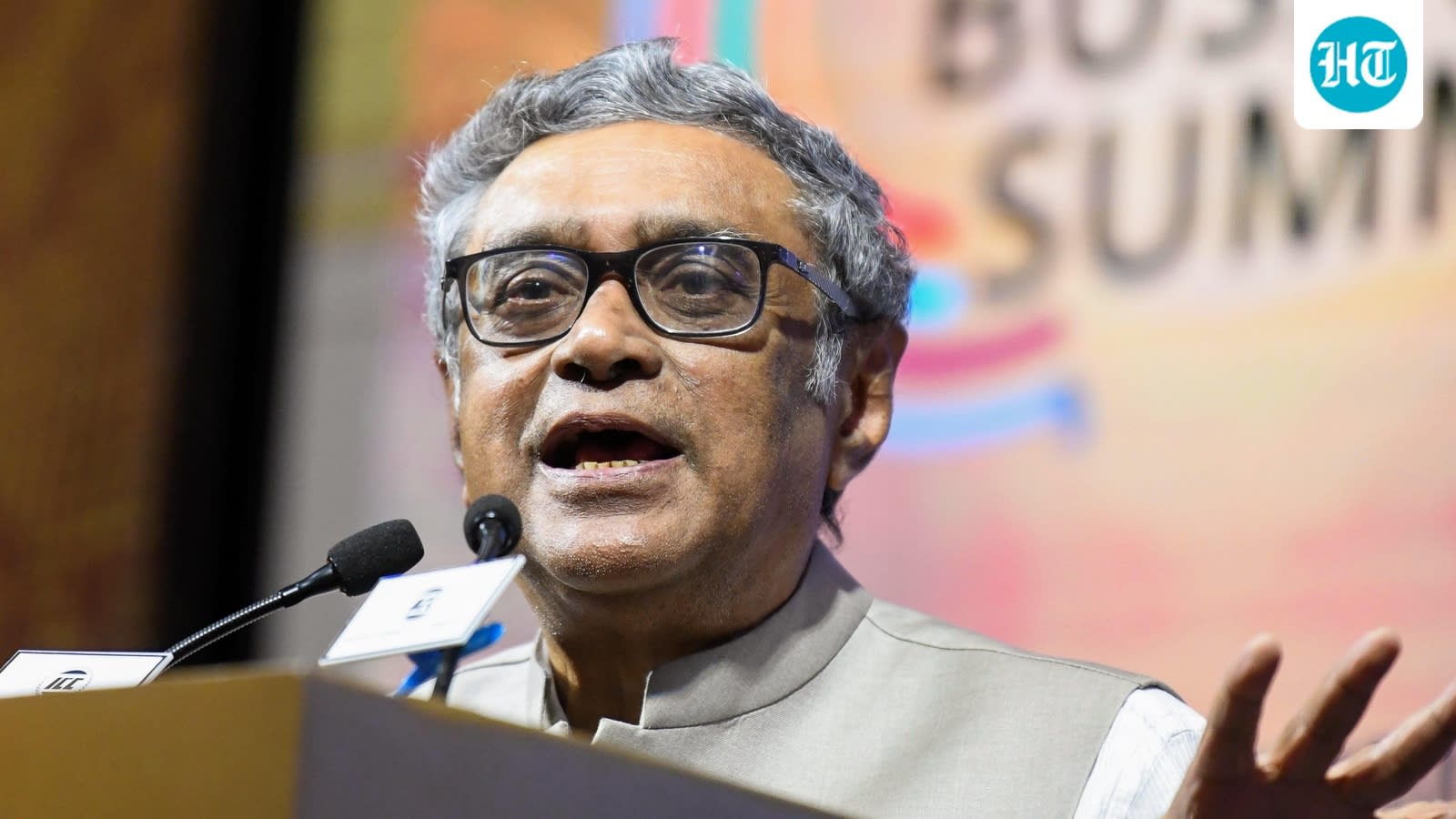
West Bengal Finance Minister Swapan Dasgupta has acknowledged that extortion persists under the current BJP government. He has requested a one-year timeframe to implement political and economic strategies to eradicate this issue and restore public trust.
Addressing Extortion: A Policy Challenge in West Bengal
West Bengal Finance Minister Swapan Dasgupta has publicly acknowledged a stark reality regarding the state's current governance: the persistence of extortion activities following the transition to the new BJP administration. This admission is significant, as it highlights the deep-rooted nature of systemic issues that transcend individual political leadership. By openly addressing this concern, the minister has signaled that the administration is aware of the disconnect between campaign promises and the lived experiences of the citizens regarding public safety and economic security.
The Link Between Governance and Public Trust
At the core of Dasgupta’s statement is the critical relationship between state legitimacy and the rule of law. The minister explicitly noted that public confidence in the government cannot be fully restored until the menace of extortion is eliminated. In any democratic setup, the state’s primary duty is to provide a secure environment for its citizens and businesses. When extortion persists, it acts as a 'shadow tax,' undermining the formal economy and eroding the social contract between the electorate and the governing body.
A Multifaceted Approach to Reform
Dasgupta has emphasized that solving this deeply ingrained problem requires more than just punitive police action; it necessitates a combination of political and economic measures. This acknowledges that extortion often thrives in environments where economic opportunities are limited or where political patronage networks have historically filled institutional gaps. By proposing a dual-track strategy, the government is signaling an intent to dismantle the underlying socio-economic structures that allow such practices to flourish rather than relying on short-term enforcement alone.
The One-Year Timeline
Perhaps the most notable aspect of the minister's commentary is the request for a one-year grace period to effectively curb the practice. This timeframe suggests that the government recognizes the complexity of the task, implying that the roots of these illicit activities are likely intertwined with local administrative and political mechanisms that require systematic dismantling. This request for time serves as both an admission of the current scale of the challenge and a benchmark by which the administration expects to be measured by the public.
Implications for Future Policy
The admission by a high-ranking official that 'extortion is happening' serves as a pivotal moment for transparency in West Bengal. If the administration succeeds in its goal within the proposed year, it could set a precedent for how incoming governments address entrenched systemic corruption. Conversely, if these efforts fail, it may lead to significant political fallout and further erosion of trust. Ultimately, the success of these measures will depend on the government’s ability to move beyond rhetoric and implement the specific economic and political reforms deemed necessary by the Finance Minister.
Verification Required?