2020 riots: Tahir Hussain moves Delhi HC on conviction in Ankit Sharma murder case
Source Entity
Latest News: Todays Latest News Headlines from India & World | Hindustan Times | Hindustan Times
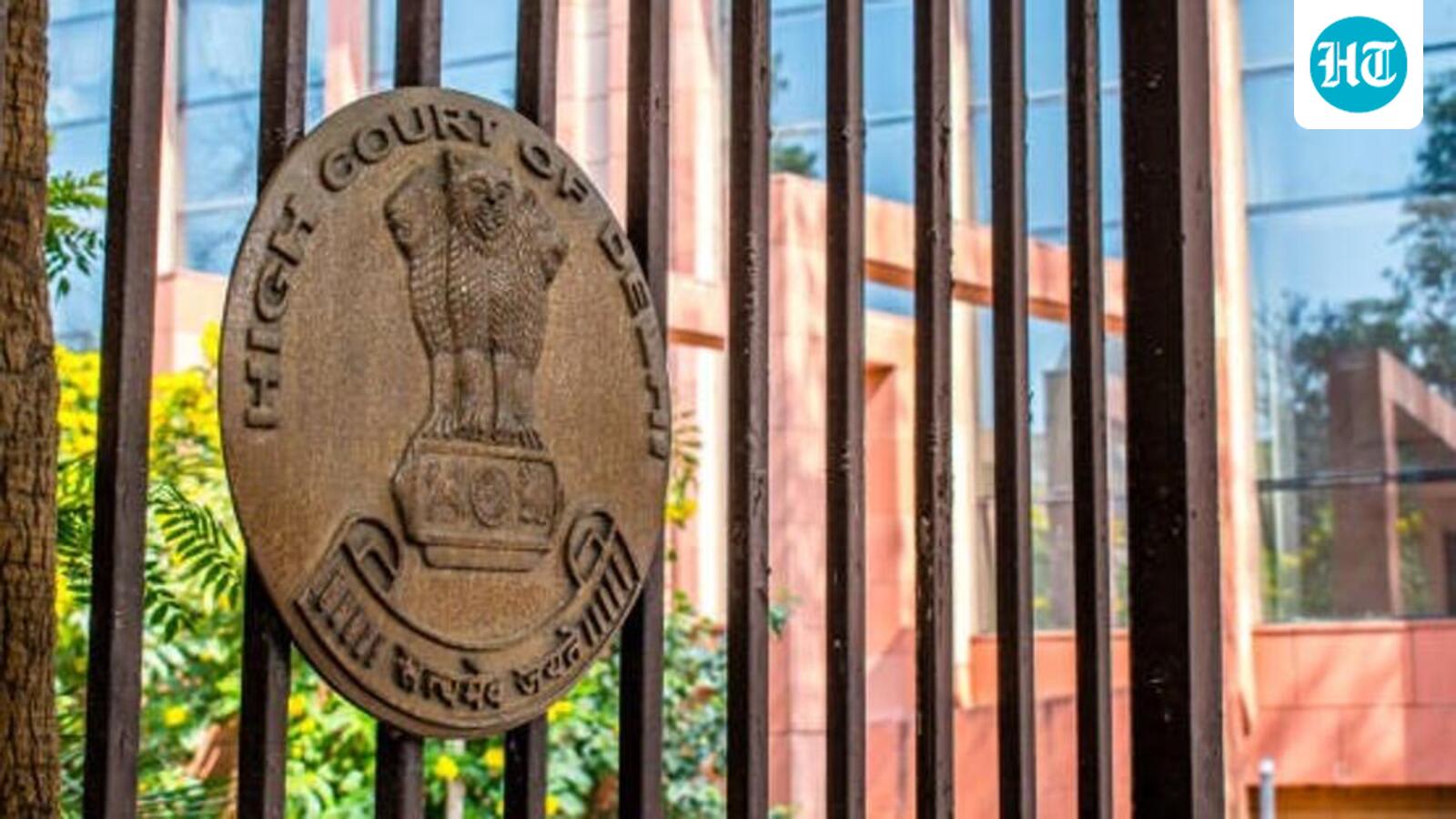
Former AAP councillor Tahir Hussain has challenged his conviction for the murder of an IB official during the 2020 Delhi riots. Simultaneously, Delhi Police is opposing bail for Umar Khalid and Sharjeel Imam, labeling them masterminds in the broader conspiracy case.
Legal Challenges and Contested Narratives in the 2020 Delhi Riots
The judicial proceedings surrounding the 2020 Northeast Delhi riots remain a focal point of intense legal and political scrutiny. Recent developments highlight the ongoing efforts of key accused individuals, including former Aam Aadmi Party (AAP) councillor Tahir Hussain, to challenge convictions, while the Delhi Police continues to maintain a rigid stance against the release of other high-profile figures such as Umar Khalid and Sharjeel Imam.
Tahir Hussain’s Appeal: Challenging the Judicial Verdict
Tahir Hussain, who was sentenced to life imprisonment for the murder of Intelligence Bureau (IB) official Ankit Sharma, has formally approached the Delhi High Court. His appeal, filed on August 24, represents a direct challenge to the trial court’s July 2024 orders. The core of his defense rests on allegations of procedural impropriety, specifically claiming that the First Information Report (FIR) was ante-dated and that the investigation was a performative exercise designed to quell public outrage rather than a pursuit of objective truth. By alleging that witnesses were planted and genuine testimony was manipulated, Hussain is attempting to dismantle the evidentiary foundation of his conviction.
The 'Mastermind' Doctrine and Delhi Police Strategy
In a parallel development, the Delhi Police has doubled down on its characterization of Umar Khalid and Sharjeel Imam as the "masterminds" behind the larger conspiracy linked to the 2020 riots. In their response to bail pleas before the Delhi High Court, the police invoked a January Supreme Court judgment that established a hierarchy of culpability. By distinguishing Khalid and Imam from other co-accused who have been granted relief, the prosecution argues that their continued detention is not only justified but legally required under the precedents set by the apex court.
Broader Implications for Judicial Precedent
The interplay between these cases underscores the complexities of the Unlawful Activities (Prevention) Act (UAPA) and criminal law applications in high-stakes public order cases. The reliance by the Delhi Police on the Supreme Court’s hierarchical classification of accused persons highlights how judicial observations are being operationalized to prevent the release of those labeled as primary conspirators. This creates a challenging environment for defense teams, who must now navigate both the factual findings of lower courts and the interpretive weight of Supreme Court observations.
Historical Context and Future Trends
The 2020 Northeast Delhi riots remain a watershed moment in the capital's recent history, leading to a sprawling web of litigation that has lasted for years. As these cases proceed to the High Court, the outcomes will likely set significant precedents regarding the evidentiary standards required for "conspiracy" charges in civil unrest cases. Future trends suggest that the legal battle will continue to focus on the integrity of police investigations—specifically regarding the timeline of FIRs and the reliability of witness testimony—as defendants seek to challenge the state's narrative of organized insurrection.
Conclusion
The dual nature of these legal challenges—one focusing on the alleged procedural failures in a specific murder conviction and the other on the definition of conspiracy in a broader case—reflects the polarized nature of the aftermath of the 2020 riots. The Delhi High Court now faces the task of balancing the state's mandate for public order with the defendants' rights to a fair and untainted legal process, a task that will define the legacy of these proceedings for years to come.
Multiple Citing Sources
Verification Required?