Green patches re-appear on Taj Mahal walls, ASI on alert
Source Entity
Latest News: Todays Latest News Headlines from India & World | Hindustan Times | Hindustan Times
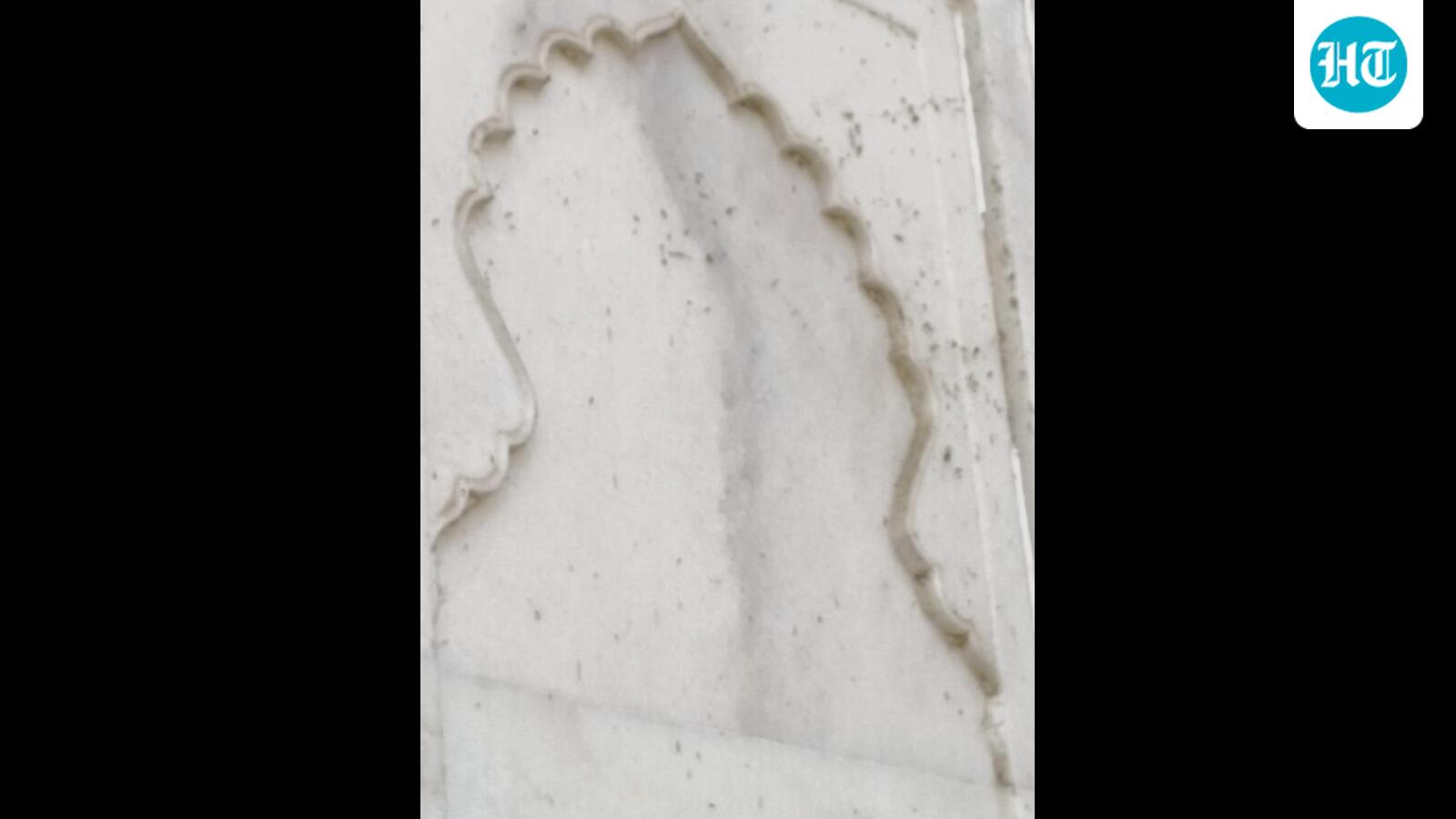
The Archaeological Survey of India is addressing the re-emergence of green stains on the Taj Mahal caused by Goeldichironomus insects. This recurring issue, linked to pollution in the Yamuna River, has prompted urgent calls for environmental intervention.
The Environmental Threat to the Taj Mahal
The Taj Mahal, a UNESCO World Heritage site and an architectural marvel of the Mughal era, is currently facing a persistent biological threat. Archaeological Survey of India (ASI) officials have reported the reappearance of green patches on the marble inlay work of the monument's northern walls. These unsightly stains, which have become a recurring concern since 2015, are caused by the Goeldichironomus insect, a midge species that thrives in the polluted conditions of the adjacent Yamuna River.
The Role of the Yamuna River
The core of this crisis lies in the ecological degradation of the Yamuna. The presence of Goeldichironomus is directly linked to the water quality of the river, which has been under intense scrutiny for years. As the river becomes increasingly polluted with organic waste and industrial effluents, it provides an ideal breeding ground for these insects. The proximity of the monument to the riverbank creates a microclimate that supports the proliferation of these pests, which then migrate to the white marble surfaces, leaving behind their green excrement.
Evolving Patterns and ASI Response
Historically, this phenomenon was largely confined to the warmer months of May and June. However, the temporal window of this infestation is expanding. ASI officials have noted that these marks are now appearing as late as October, suggesting that changing environmental conditions or climate shifts may be extending the breeding season of these insects. The ASI has formally requested its science branch to initiate remedial measures to clean the affected areas and prevent further degradation of the delicate inlay work.
Long-Term Preservation Challenges
This issue has been a focal point for the ASI since 2016, highlighting the difficulty of protecting a 17th-century structure in a rapidly urbanizing environment. While the ASI can perform periodic cleaning, these efforts are reactive rather than preventative. The persistence of the green stains serves as a stark indicator that the conservation of the Taj Mahal cannot be separated from the broader environmental health of the Agra region.
Broader Implications and Future Outlook
Beyond the immediate aesthetic damage, the situation underscores the urgent need for comprehensive pollution control measures for the Yamuna. If the water quality is not addressed, the monument will remain susceptible to biological and chemical erosion. Future preservation strategies must shift toward integrated environmental management, ensuring that the river ecosystem is restored to a state that no longer facilitates the growth of these harmful insect populations, thereby safeguarding the legacy of the Taj Mahal for future generations.
Verification Required?