Five Years On, Taliban Builds Global Ties Despite Lack Of Recognition
Source Entity
NDTV News Search Records Found 1000
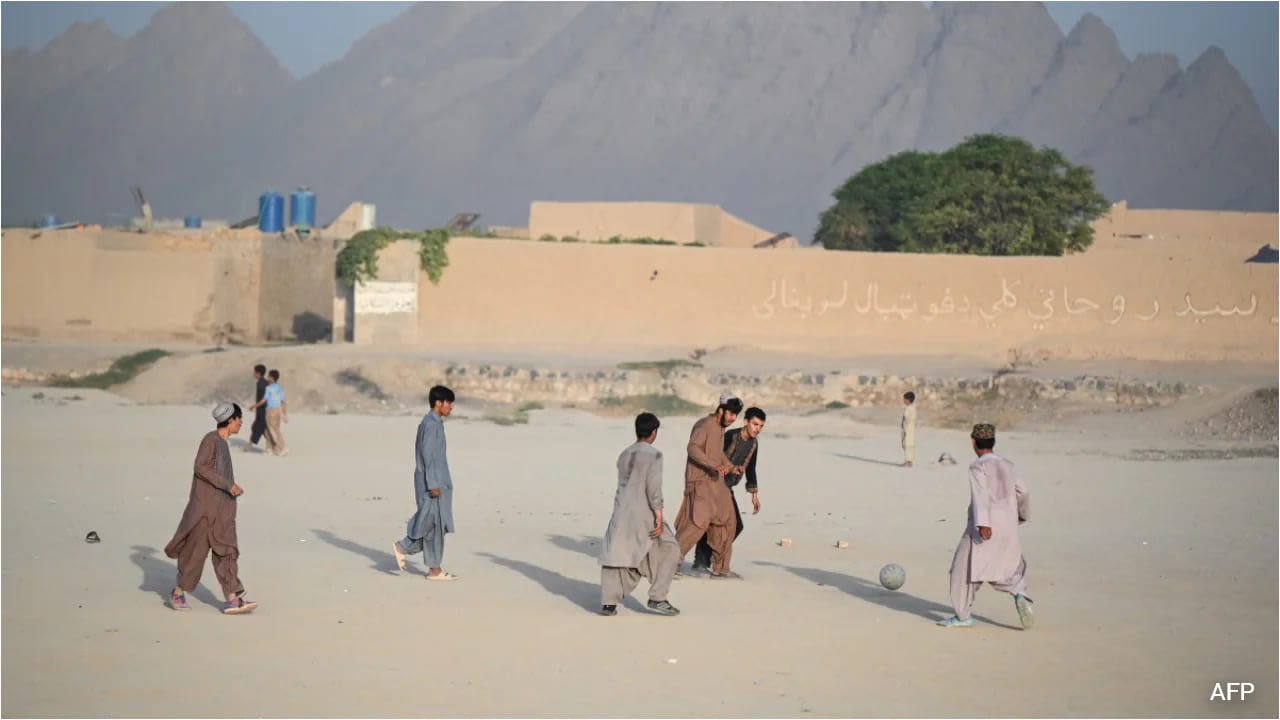
Five years after seizing power, the Taliban continues to operate without formal international recognition. While Russia remains a unique outlier in its diplomatic stance, the group is actively pursuing global engagement to solidify its governance.
The Taliban's Five-Year Diplomatic Standoff
Five years have elapsed since the Taliban returned to power in Afghanistan, marking a significant period of geopolitical isolation. Despite the passage of time and the consolidation of their internal authority, the regime remains largely unrecognized by the international community. This situation presents a unique paradox in modern statecraft, where a governing body exercises absolute territorial control while lacking the formal legitimacy typically required for full participation in global institutions.
The Russian Exception
The most striking aspect of this diplomatic landscape is the position held by Russia. As the only nation to officially recognize the Taliban government, Moscow has carved out a distinct path that diverges from the collective stance of Western powers and most regional neighbors. This recognition does not imply a total endorsement of the Taliban’s internal policies, but rather reflects a pragmatic, realpolitik approach aimed at maintaining influence in a volatile region where security concerns—particularly regarding the spread of extremism—remain a top priority.
Navigating Global Engagement
Despite the lack of formal diplomatic recognition from the broader international community, the Taliban has been persistent in its efforts to build global ties. By engaging in various bilateral discussions and seeking economic cooperation, the group aims to normalize its presence on the world stage. These efforts are likely intended to mitigate the impact of international sanctions and to secure the resources necessary to stabilize a fragile domestic economy that has been plagued by instability for decades.
Historical Context and Regional Dynamics
Historically, Afghanistan has been a theater for competing interests, and the current Taliban administration is operating within a framework defined by this past. The group’s strategy of seeking incremental recognition is a departure from the isolationist policies of their previous tenure in the 1990s. By attempting to foster relationships with select nations, they are maneuvering to prevent complete economic strangulation while attempting to maintain their specific ideological governance model.
Implications and Future Trends
The persistence of this status quo suggests a long-term stalemate. As the Taliban continues to seek legitimacy, the international community faces the challenge of balancing human rights concerns with the reality of the Taliban's entrenched power. Future trends will likely see the Taliban continuing to leverage its strategic location and internal control to pressure neighboring states into deeper economic and logistical cooperation, even if full diplomatic recognition remains elusive for the vast majority of the world.
Verification Required?