T.N. govt. raises DA for its employees from 60% to 63%
Source Entity
India Latest News: Top National Headlines Today & Breaking News | The Hindu
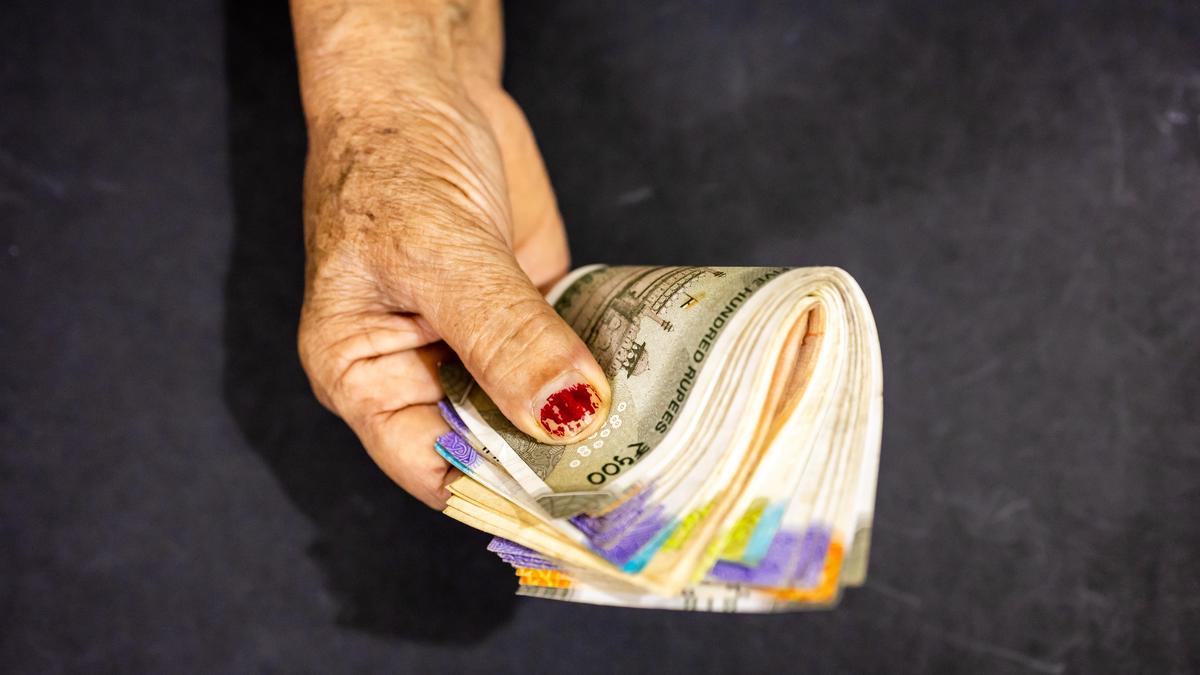
Tamil Nadu Chief Minister C. Joseph Vijay has announced a 3% hike in Dearness Allowance for state employees and pensioners, effective from July 2026. The move benefits 16 lakh individuals and aligns state policy with recent Central government adjustments.
Tamil Nadu Announces Major Dearness Allowance Hike
Strategic Alignment with Central Policy
In a significant fiscal development for Tamil Nadu, Chief Minister C. Joseph Vijay announced on Saturday, October 31, 2026, that the Dearness Allowance (DA) for state government employees and teachers will be increased from 60% to 63%. This decision mirrors the recent adjustments made by the Central government, which also implemented a 3% hike effective from July 2026. By synchronizing the state’s DA policy with national standards, the Tamil Nadu government ensures that its workforce remains shielded from inflationary pressures that often necessitate periodic adjustments to cost-of-living allowances.
Scope and Beneficiaries
The impact of this policy shift is substantial, encompassing a diverse group of 16 lakh beneficiaries. This figure includes active government employees, teaching staff, current pensioners, and family pensioners. By extending the benefit to both active and retired personnel, the state government acknowledges the financial challenges faced by its entire payroll ecosystem. This inclusive approach is essential for maintaining morale and ensuring that the fixed-income groups within the state are not disproportionately impacted by the rising cost of essential goods and services.
Fiscal Implications and Budgetary Planning
Implementing this raise comes with a notable fiscal commitment, estimated at ₹1,858 crore per annum. Such expenditure requires careful budgetary management, especially given the state's existing fiscal responsibilities. However, the decision reflects a prioritization of public sector welfare. The allocation of these funds indicates the government's capacity to absorb additional recurring costs to support its workforce, balancing fiscal prudence with the socio-economic necessity of supporting state employees.
Socio-Economic Timing and Public Sentiment
Beyond the raw economic data, the timing of the announcement—coinciding with the festive season—is strategically significant. The government explicitly noted that this increase is intended to allow employees and their families to celebrate Deepavali with greater financial ease. By injecting liquidity into the hands of 16 lakh individuals just before a major festival, the government may also stimulate local economic activity, as increased disposable income often leads to higher consumer spending during the festive period.
Long-Term Trends and Future Outlook
This adjustment follows a well-established pattern of state governments in India mimicking Central pay commission recommendations and DA revisions. Looking ahead, the sustainability of such hikes will depend on the state's revenue growth and its ability to manage the widening gap between salary expenditure and developmental spending. As the cost of living continues to fluctuate, observers will look to see if this 3% increase provides sufficient relief or if further fiscal interventions will be required in the upcoming financial quarters to maintain the purchasing power of state employees.
Verification Required?