Health Minister directs officials to ensure hospital preparedness, uninterrupted health services during monsoon
Source Entity
India Latest News: Top National Headlines Today & Breaking News | The Hindu
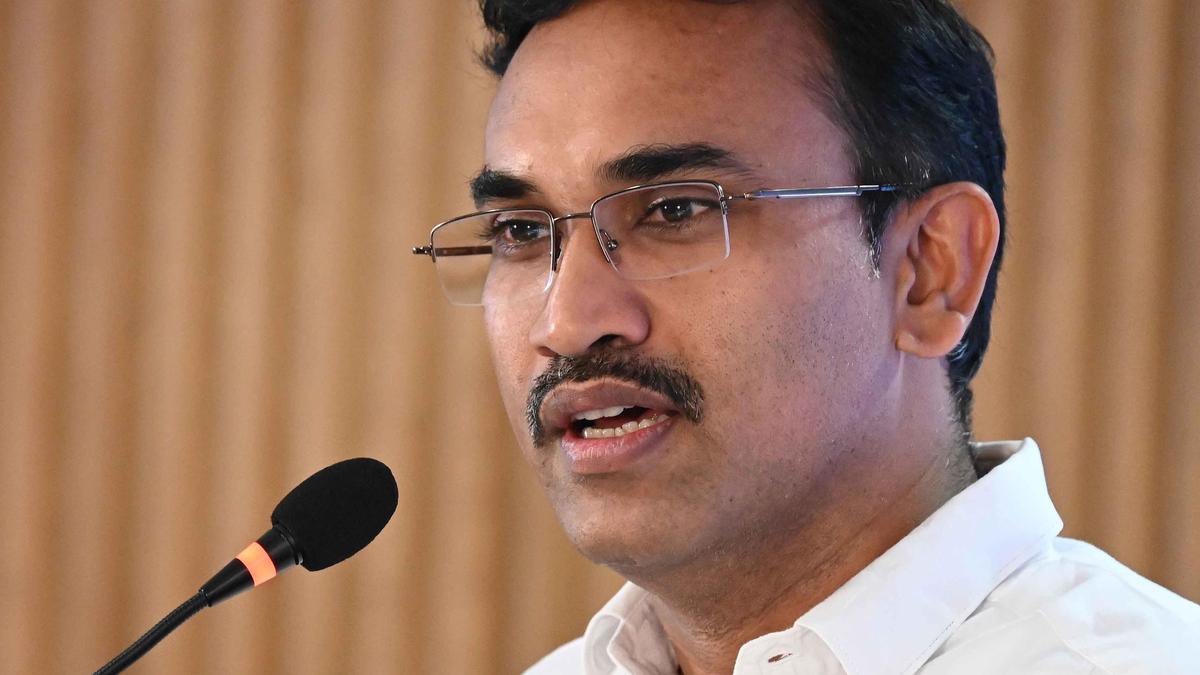
Health Minister K.G. Arunraj has mandated enhanced preparedness across government hospitals to combat potential monsoon-related health crises. The directive focuses on preventing disease outbreaks and ensuring continuous medical services for vulnerable districts in Tamil Nadu.
Strengthening Public Health Resilience Amid Monsoon Onset
As the Northeast monsoon arrives, Health Minister K.G. Arunraj has issued a critical directive to health officials across the state, emphasizing the need for robust hospital preparedness. This proactive stance is designed to mitigate the seasonal health risks that typically accompany heavy rainfall, focusing on the continuity of care and the prevention of widespread illness.
Strategic Objectives for Seasonal Preparedness
The Minister’s directive outlines three primary pillars for the state's health strategy: preventing the transmission of communicable diseases common during the rainy season, minimizing mortality rates associated with these outbreaks, and ensuring that medical services remain uninterrupted. By formalizing these objectives, the health department aims to create a structured framework that shifts from reactive crisis management to a more anticipatory, systematic approach.
Targeting Vulnerable Geography
A significant portion of the directive identifies specific high-risk districts, including Chennai, Tiruvallur, Kancheepuram, Chengalpattu, Villupuram, Cuddalore, Nagapattinam, Mayiladuthurai, Thanjavur, Tiruvarur, Pudukottai, Ramananthapuram, Thoothukudi, Tirunelveli, and Kanniyakumari. These regions are historically prone to seasonal flooding and waterlogging, which often exacerbate the risk of water-borne and vector-borne diseases. By prioritizing these areas, the state government is deploying resources where they are most needed to protect the most vulnerable populations.
Operationalizing Hospital Readiness
The instruction extends beyond mere planning, requiring a tangible strengthening of government hospitals and primary health centers. This involves ensuring that essential medicines, diagnostic equipment, and medical staff are fully prepared to handle an influx of patients. The focus on primary health centers (PHCs) is particularly crucial, as they often serve as the first point of contact for rural and semi-urban populations during health emergencies.
Broader Implications and Future Outlook
The move reflects a growing recognition of the intersection between climate patterns and public health. By institutionalizing these precautionary measures, the state is building long-term resilience against the seasonal challenges posed by the Northeast monsoon. Future trends in this sector will likely see increased reliance on real-time health data monitoring and improved disaster response protocols to further reduce the impact of these annual weather events on public health infrastructure.
Conclusion
In summary, the directive issued by Minister K.G. Arunraj is a comprehensive effort to safeguard public health during the monsoon season. By focusing on district-level preparedness, clear operational objectives, and the needs of climate-vulnerable regions, the health department is taking essential steps to maintain service stability and protect lives during a period of heightened environmental risk.
Verification Required?