Fake authors, real payments, and AI — what Tamil Nadu’s library scandal reveals
Source Entity
Arun Janardhanan
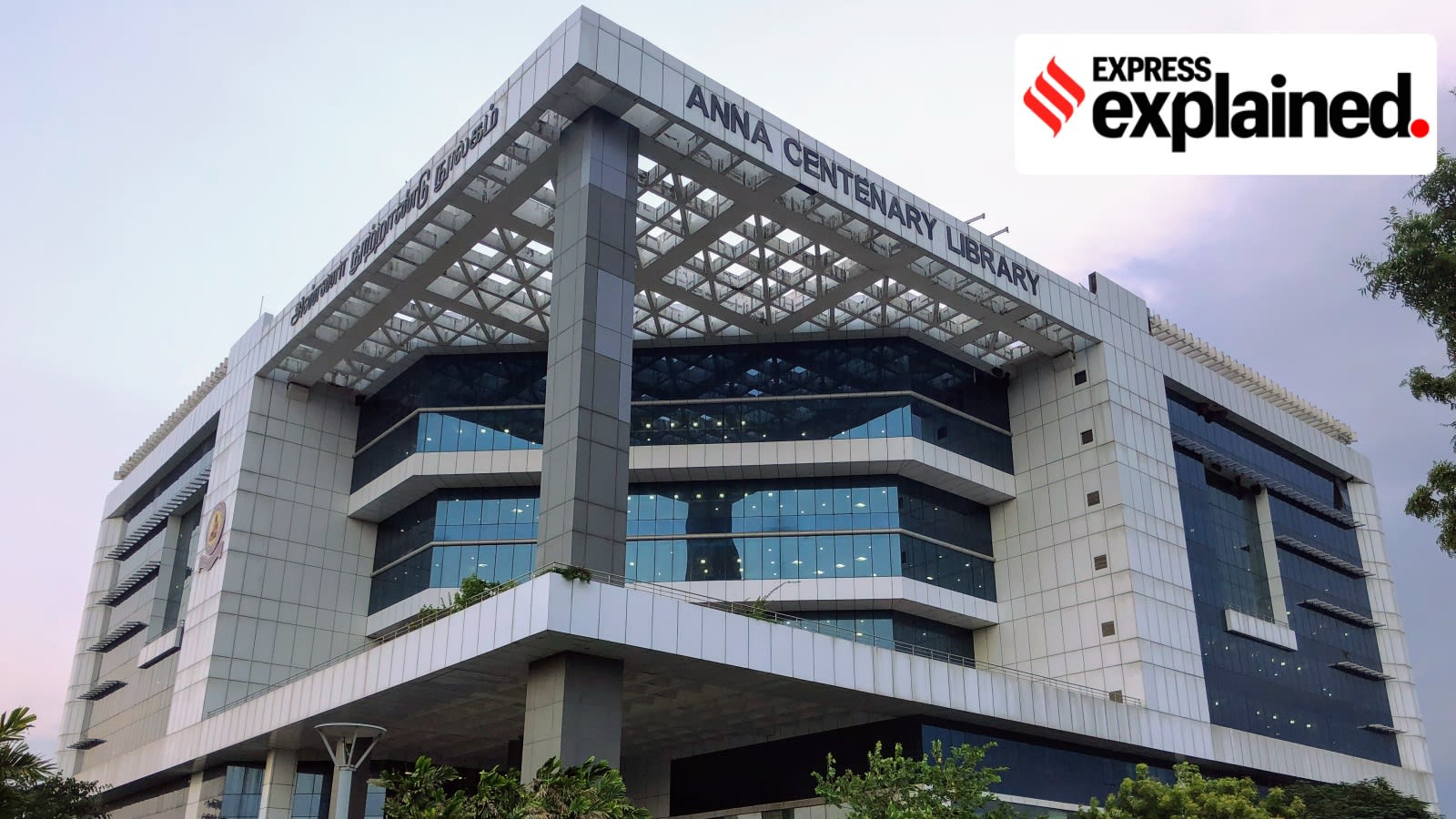
Tamil Nadu authorities have launched a criminal investigation into a major library procurement scam involving forged authors, fake titles, and corrupt official collusion. The scandal highlights systemic failures in book selection processes where unvetted, overpriced materials were funneled into state libraries.
The Anatomy of a Literary Fraud
The ongoing investigation by the Tamil Nadu Directorate of Vigilance and Anti-Corruption (DVAC) has unveiled a sophisticated scheme involving the systemic manipulation of government procurement processes. At the heart of the scandal are instances of blatant literary forgery, where classical Tamil verses were misattributed to non-existent philosophers and reputable thinkers, such as economist Jean Drèze, were credited with books they never authored. These transformations were not merely errors; they were calculated maneuvers to facilitate the entry of unvetted, questionable content into the state's public library system.
Administrative Collusion and Oversight Failures
The DVAC alleges that the fraudulent activity was supported by a consequential administrative shift. While the state maintains a formal "books recommendation committee" tasked with vetting literature for public consumption, a parallel "coordination committee" allegedly bypassed these experts. By inserting titles that had never been vetted, unidentified officials from the Directorate of Public Libraries and key institutions like the Anna Centenary Library and Coimbatore’s Periyar Arivulagam effectively created a pipeline for unauthorized procurement. This subversion of established bureaucratic checks suggests a deep-seated corruption that prioritized suspect publishers over intellectual integrity.
The Role of Forgery and Financial Irregularities
The mechanics of the scam relied heavily on the manipulation of unique identification codes, specifically the ISBN system, to legitimize the purchase of books from entities such as Akal Vizhakku and Phoenix Publications. By inflating prices and utilizing forged credentials, the perpetrators were able to secure government payments for materials that should never have reached library shelves. The involvement of these specific publishers, now under intense scrutiny, points to a broader pattern of financial misappropriation that siphoned public funds under the guise of cultural and educational enrichment.
Intellectual Integrity and Public Accountability
The scandal came to light largely due to the vigilance of prominent figures like novelist Perumal Murugan, who flagged discrepancies at the Periyar Arivulagam library. Their intervention highlights a critical gap in the oversight of government-funded cultural institutions. When public libraries—the cornerstones of community education—are populated with AI-generated or forged literature, it compromises the public trust and undermines the state's role in curating reliable knowledge for its citizens.
Broader Implications and Future Trends
This incident serves as a cautionary tale regarding the vulnerability of public procurement systems in the digital age. The ease with which titles were fabricated and funneled into the state system indicates that current auditing mechanisms for physical assets are woefully inadequate against modern forgery techniques. Moving forward, the Tamil Nadu government faces the challenge of implementing more rigorous, transparent, and digitally verifiable procurement standards. The DVAC’s criminal case, involving charges of forgery and conspiracy, marks a significant step toward accountability, but the long-term solution lies in institutional reform to prevent the recurrence of such systemic exploitation.
Multiple Citing Sources