Vande Mataram and Tamil Thai Vazhthu: what is the protocol? | Explained
Source Entity
India Latest News: Top National Headlines Today & Breaking News | The Hindu
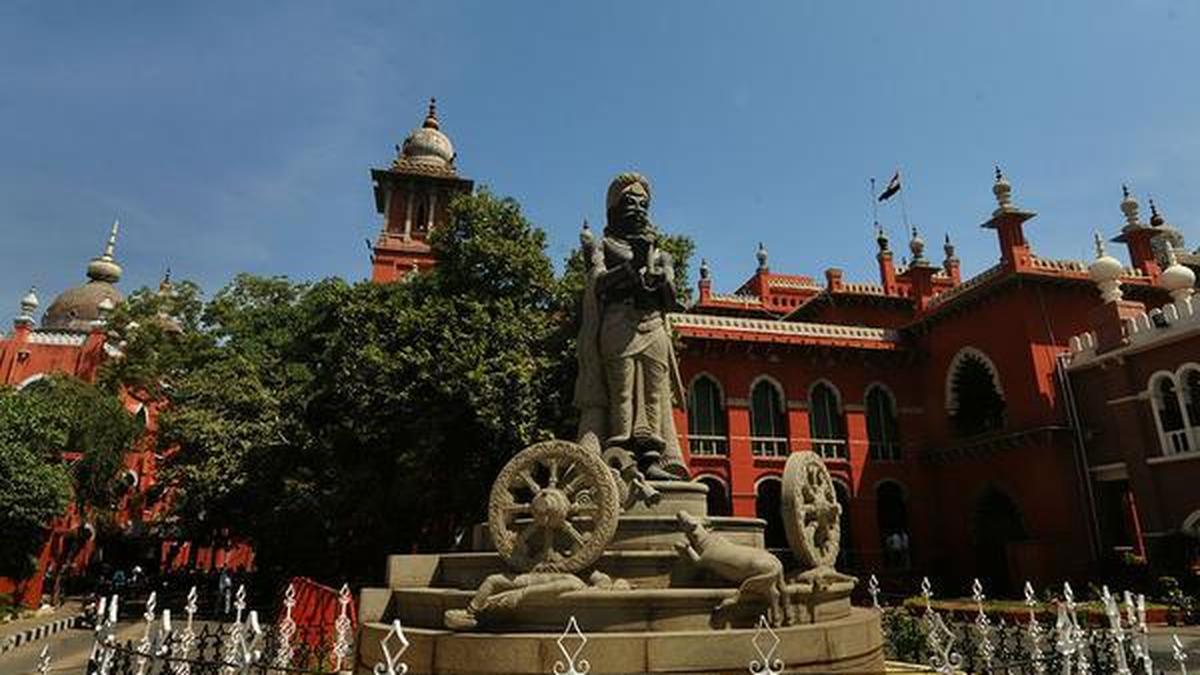
The Madras High Court has updated its Independence Day protocol to include the 'Tamil Thai Vazhthu' following a new Tamil Nadu government mandate. This decision highlights ongoing discussions regarding the official order of precedence for state and national songs during public functions.
The Protocol of Pride: Tamil Thai Vazhthu in Focus
The recent decision by the Madras High Court to revise its Independence Day programme marks a significant intersection of regional identity and state protocol. By including the Tamil Thai Vazhthu (Invocation to Mother Tamil) at the onset of its celebrations, the judiciary has aligned itself with the broader administrative shifts occurring within Tamil Nadu. This adjustment follows direct advocacy from the Madurai Bench Bar Association, which raised concerns regarding the song's initial omission from the court’s commemorative circular.
Legislative Context and State Mandates
This development is not an isolated event but rather the direct result of a formal legislative process. The Tamil Nadu Assembly recently passed a specific resolution mandating that the Tamil Thai Vazhthu be performed as the inaugural song at all state functions. Following this legislative action, the state government issued a formal Government Order (GO) to institutionalize the practice, signaling a concerted effort to standardize regional cultural representation in official public events.
Navigating the Hierarchy of Anthems
At the heart of the current discourse is the complex protocol governing the sequence of official songs. The inclusion of the Tamil Thai Vazhthu alongside national staples like Vande Mataram and the national anthem, Jana Gana Mana, has sparked a necessary conversation regarding the order of precedence. Defining which song takes priority reflects how state institutions balance regional pride with national unity, a balance that is often delicate and subject to varying interpretations across different government branches.
Historical Significance of the Tamil Thai Vazhthu
The Tamil Thai Vazhthu serves as more than just a musical opening; it is a cultural cornerstone that honors the Tamil language and its historical heritage. By formalizing its place in official functions, the government is reinforcing the cultural identity of the state. The recent controversy underscores the importance of clear, unambiguous protocols to ensure that these cultural expressions are integrated respectfully and consistently without causing friction regarding national symbols.
Broader Implications for Administrative Protocol
These developments highlight a broader trend where state governments are increasingly assertive in codifying regional traditions into administrative law. As legal bodies like the Madras High Court adjust their internal protocols to mirror these legislative mandates, it sets a precedent for how other public institutions might handle similar cultural integration. The ongoing dialogue ensures that state functions remain reflective of both local traditions and national respect.
Conclusion: Moving Toward Standardization
The reconciliation of the Madras High Court’s programme with the state's new Government Order represents a functional resolution to a potential oversight. As the state moves forward, the primary challenge remains the creation of a definitive, standardized protocol that dictates the sequence of Tamil Thai Vazhthu, Vande Mataram, and Jana Gana Mana. Establishing such clarity will prevent future confusion and ensure that all state and national symbols are afforded their appropriate dignity in public discourse.
Verification Required?