Trump’s health under scrutiny: Cardiologist raises 7 questions about his care
Source Entity
The Indian Express
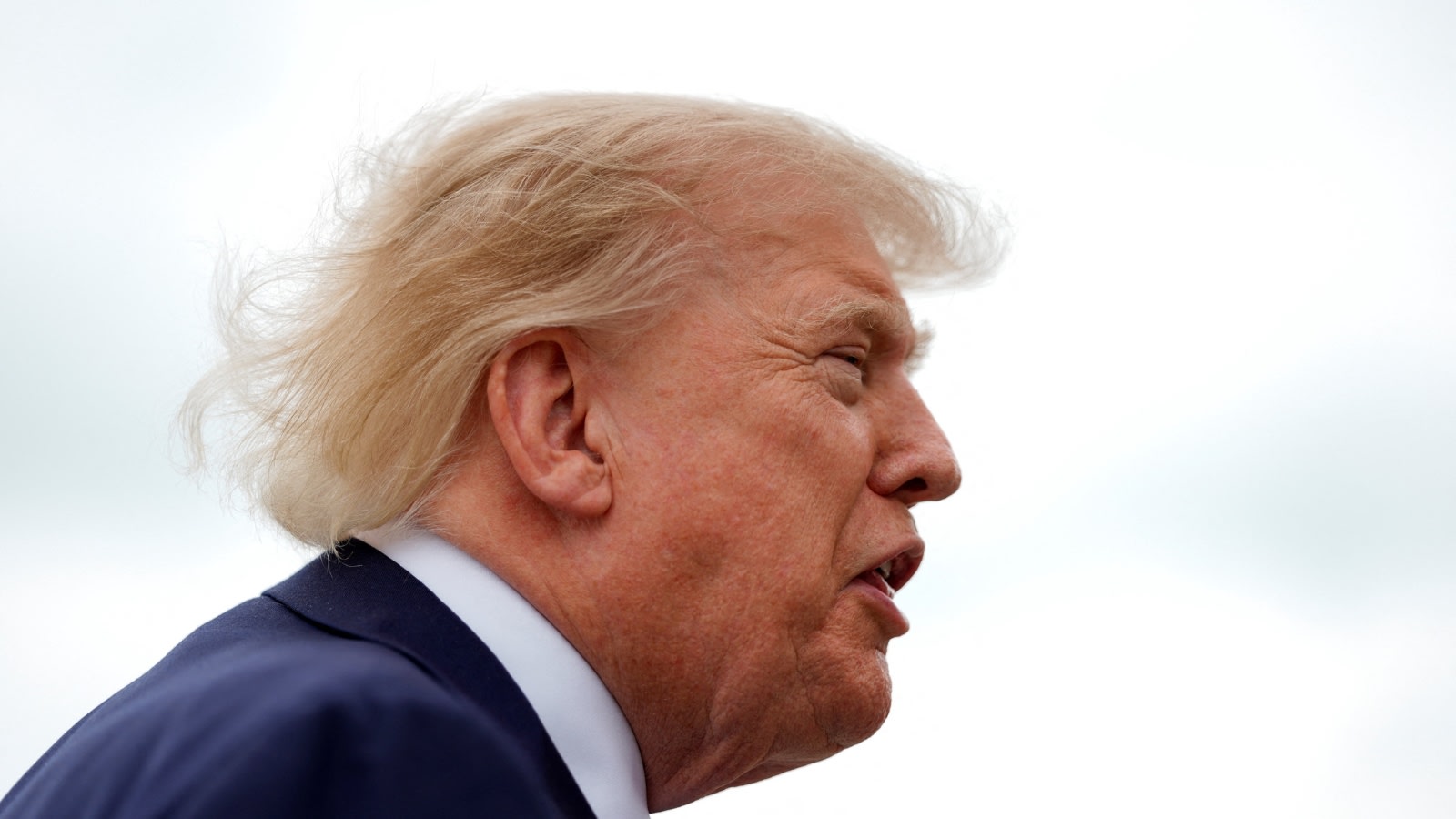
At 80 years old, Donald Trump faces medical scrutiny following cardiologist Dr. Jonathan Reiner's critique of the transparency surrounding his health records. While the White House maintains he is in excellent health, the debate highlights ongoing tensions regarding the disclosure of presidential medical data.
The Intersection of Presidential Health and Public Disclosure
As Donald Trump marks his 80th birthday, the conversation surrounding his physical and cognitive fitness has taken center stage in the national discourse. The recent critique from cardiologist Dr. Jonathan Reiner, who has raised seven specific questions regarding the depth of information shared by the White House, underscores a recurring tension in American politics: the balance between a leader’s right to medical privacy and the public's need for transparency regarding the commander-in-chief's ability to fulfill the duties of office.
The Official Medical Assessment
The White House, led by physician Dr. Sean Barbabella, maintains a firm stance that the former president is in "excellent health" and "fully fit" to serve. This assertion is supported by a comprehensive medical evaluation conducted at Walter Reed National Military Medical Center. The report, released in May, details a rigorous three-hour examination involving 22 specialists, which included advanced cardiac imaging, comprehensive cancer screenings, and various preventive tests. According to the official findings, these tests yielded no abnormalities, and Trump reportedly achieved a perfect score of 30 out of 30 on the Montreal Cognitive Assessment.
Scientific and Political Skepticism
Despite the clinical data provided, experts like Dr. Reiner argue that the current disclosure model lacks the granularity required for full public confidence. By raising questions about the extent of the medical information released, Reiner highlights a broader issue in how presidential health is communicated to the electorate. Historically, the public’s desire for transparency has often clashed with the political necessity of projecting strength and vitality, leading to debates over what constitutes a "sufficient" medical disclosure for a leader of advanced age.
Broader Implications for Presidential Fitness
The scrutiny of Trump’s health is not an isolated event but rather part of a long-standing historical trend where the health of aging presidents becomes a focal point of campaign and administrative criticism. As medical technology advances, the expectations for what should be disclosed—such as specific test results versus broad summaries—have evolved. The debate reflects a growing demand for more detailed, independent verification of medical records, rather than relying solely on summaries provided by the administration's own appointed physicians.
Future Trends in Political Transparency
Looking ahead, it is likely that the standard for presidential health reporting will continue to face pressure for increased transparency. As life expectancy increases and individuals remain active in high-stress roles well into their 80s, the methodology used to assess cognitive and physical fitness will likely become a permanent fixture of political scrutiny. Future administrations may find themselves compelled to adopt more rigorous, perhaps even independent, medical review processes to preempt the kind of skepticism currently directed at the White House's recent findings.
Conclusion
Ultimately, while the official medical report paints a picture of a man in peak condition for his age, the questions raised by the medical community suggest that the narrative of presidential fitness is far from settled. The divide between official institutional reports and external expert skepticism highlights a critical gap in public trust that will likely continue to influence the political climate as the nation navigates the complexities of leadership in an era of increased longevity.