Tanzania’s Mining Model Is Starting to Pay Off
Source Entity
Yahoo Finance
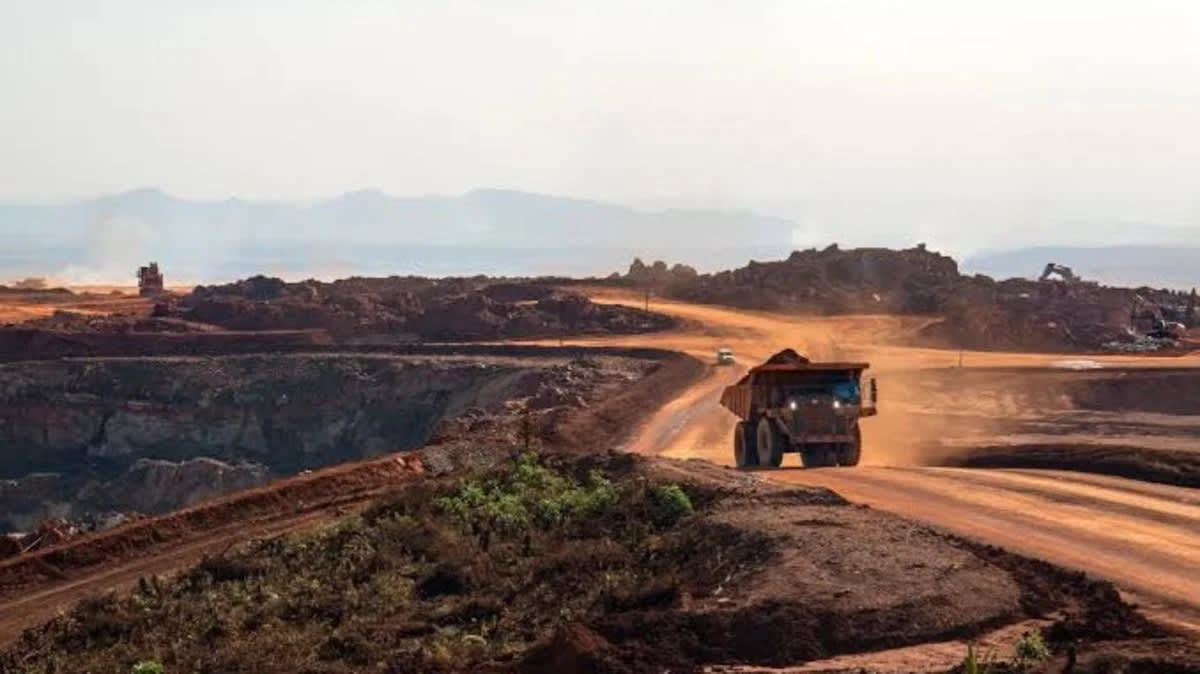
The discovery of Tanzanite in 1967 by Jumanne Mhero Ngoma highlights a historical era of mineral exploitation in Tanzania. Current national policies are now shifting to ensure the country retains greater value from its unique gemstone resources.
The Legacy of Tanzanite: From Exploitation to Empowerment
In 1967, a significant geological discovery occurred in the Mereli Hills near Arusha, Tanzania, when a Maasai herder named Jumanne Mhero Ngoma identified rare violet crystals. This event, while seemingly local, ignited a global phenomenon in the gemstone industry. However, the initial handling of this discovery serves as a stark case study in the historical imbalance between resource-rich nations and foreign corporate entities. While Ngoma received a mere 50,000 shillings—a sum equivalent to roughly $22 today—the commercial rights were swiftly consolidated by international interests.
The Tiffany & Co. Monopoly
The narrative of Tanzanite is inseparable from the branding efforts of Henry B. Platt, the vice president of Tiffany & Co. at the time. By rebranding the mineral as 'Tanzanite' and executing a strategic marketing campaign, Tiffany & Co. established a narrative that the stone was exclusive to Tanzania and their own retail outlets. This effectively created a closed-loop supply chain that marginalized the local Tanzanian economy during the initial boom years, where an estimated 2 million carats were extracted between 1967 and 1971.
Economic Disparity and Lost Value
When calculating the modern-day worth of the volume extracted during that four-year window, the figures are staggering, with estimates reaching up to $1.2 billion. The fact that the original discoverer and the local community received only a fraction of the value underscores the systemic challenges Tanzania faced in the late 20th century. This era of extraction was characterized by a lack of beneficiation, where raw materials were exported and processed abroad, leaving the host nation with little more than the environmental impact and labor costs.
Shifting Paradigms in Mineral Policy
The history of Tanzanite has become a rallying point for modern Tanzanian mineral policy. Recognizing the vast disparity between extraction and economic retention, the government has transitioned toward models that prioritize local ownership and value-added processing. By restricting the export of raw materials and encouraging domestic cutting and polishing, Tanzania is attempting to reverse the historical trend where wealth flowed almost exclusively to international jewelry houses.
Future Trends and Sustainable Extraction
Looking ahead, the global appetite for rare gemstones suggests that the value of Tanzanite will remain high, particularly given its geographic rarity. The current challenge for Tanzania lies in balancing aggressive economic nationalism with the need for foreign investment and expertise. As the nation refines its mining model, the focus is likely to remain on formalizing small-scale mining operations and ensuring that the descendants of discoverers like Ngoma—and the broader Tanzanian public—receive a equitable share of the nation's geological bounty.