In this Mumbai family, men accused of one murder become victims of another
Source Entity
Mohamed Thaver
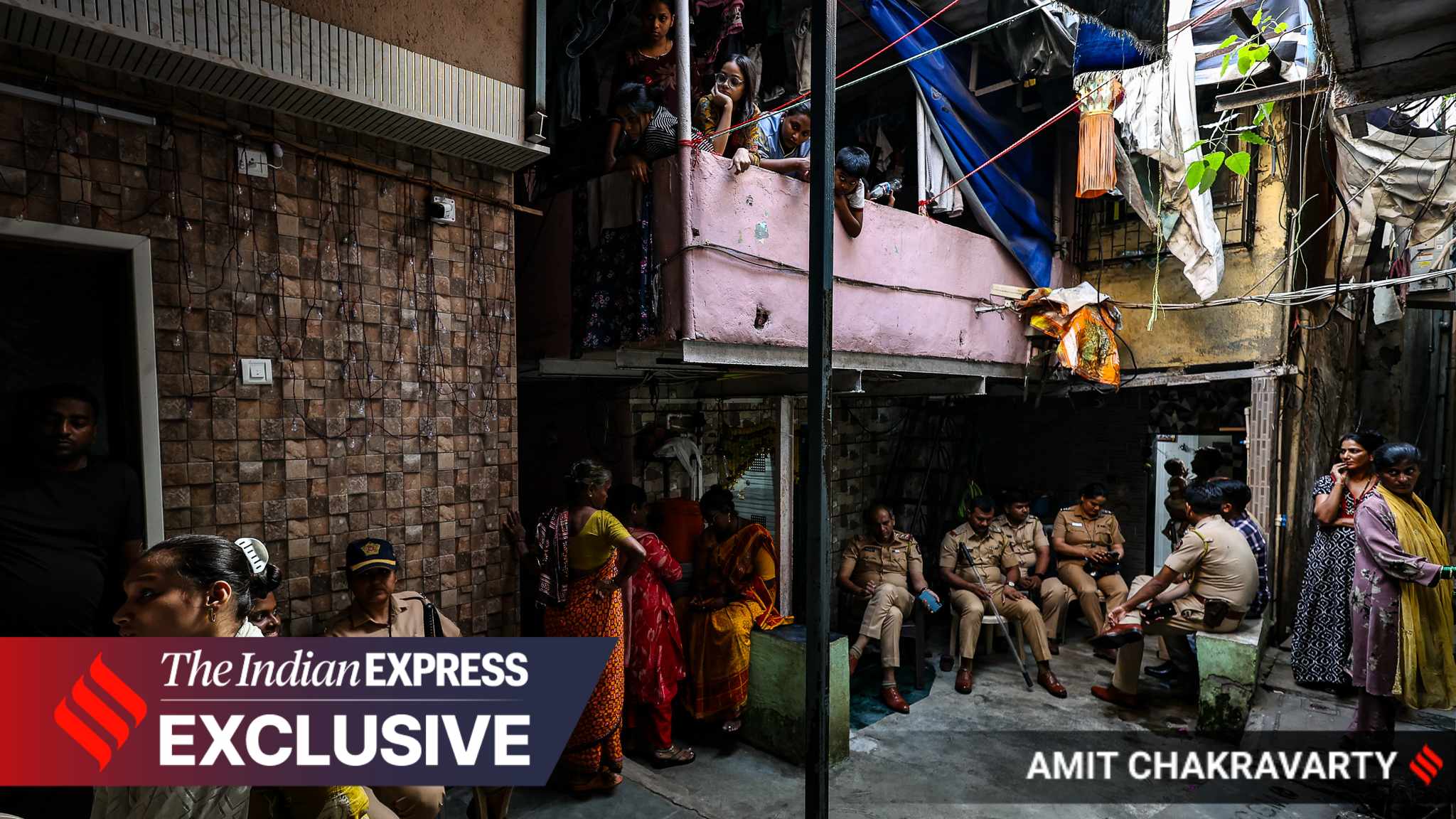
Recent reports highlight a surge in targeted violence across India, including internal family feuds in Mumbai, retaliatory killings in Delhi, and organized crime plots. Law enforcement agencies are actively investigating these incidents, which range from long-standing personal vendettas to high-profile extortion schemes.
The Escalation of Targeted Violence in India
Recent reports from across India reveal a troubling surge in targeted violence, ranging from deep-seated familial vendettas in Mumbai to retaliatory cycles of bloodshed in Delhi. These incidents, while distinct in their motivations, reflect a broader pattern of localized conflict and the persistent threat of organized crime syndicates operating within urban centers.
The Cycle of Familial Violence in Mumbai
In Mumbai, the Pawar family of the Makadwala compound stands as a grim case study of intergenerational and intra-family conflict. Within a single decade, four men—Deepak, Billa, Baba, and most recently, Vinod Pawar—have been murdered. What makes this case particularly disturbing to law enforcement is the internal nature of the violence; the accused in these killings are frequently members of the same extended family. This suggests a systemic breakdown of familial bonds, likely exacerbated by long-standing disputes over property, territory, or internal power dynamics within the settlement near Kurla.
Retaliation and Justice in Delhi
Simultaneously, the capital has witnessed the raw, immediate consequences of personal grudges. In Bawana, a tragic double-murder occurred when a long-standing humiliation led to a fatal shooting, which was immediately followed by a retaliatory killing by the victim’s brother. This 100-meter proximity between the two scenes underscores the volatile nature of such disputes, where the line between victim and perpetrator becomes blurred, forcing police intervention to break the cycle of vigilante justice.
Organized Crime and High-Stakes Plots
Beyond personal vendettas, the reach of foreign-based organized crime continues to threaten public safety. The Delhi Police Special Cell’s recent arrest of two shooters linked to gangster Goldy Dhillon highlights the sophisticated nature of these operations. By targeting high-profile figures, including a Bollywood actor and a businessman, these syndicates utilize local shooters to execute extortion-driven agendas. The arrest of a suspect wanted for the murder of an influencer further demonstrates how these criminal networks are increasingly interconnected across different states.
Socio-Economic Implications and Trends
These events point to a multifaceted crisis in urban security. While Mumbai faces the challenge of insular, family-based violence that is difficult for police to penetrate, Delhi is grappling with both the impulsive nature of local vendettas and the calculated strategies of external criminal syndicates. The common thread is the normalization of lethal force as a primary method for resolving grievances—whether social, personal, or professional.
Conclusion
As law enforcement agencies continue to grapple with these diverse threats, the need for proactive community policing and more robust intelligence networks is evident. The tragic loss of life in these instances serves as a stark reminder of the complexities involved in maintaining order. Moving forward, authorities will need to focus on dismantling the support structures that allow both local vendettas and organized extortion plots to flourish.
Multiple Citing Sources