Odisha announces measures to end teachers’ stir but not everyone is on board
Source Entity
Sujit Bisoyi
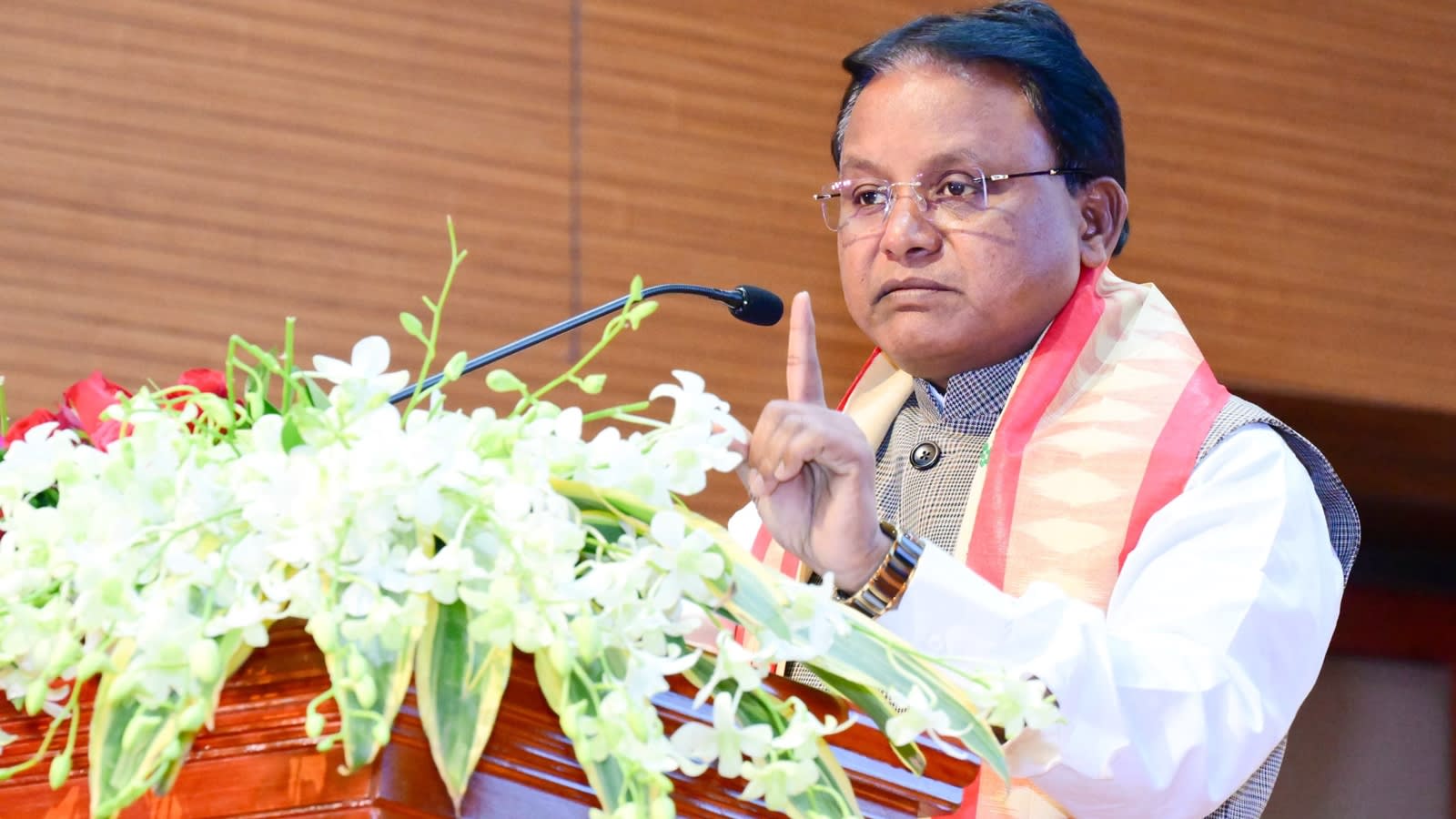
Teachers across Haryana and Odisha are escalating protests to demand service regularisation and better benefits. While Haryana guest teachers are organizing symbolic mock Assemblies, the Odisha government is attempting to address long-standing grievances through administrative reforms.
The Crisis of Contractual Teaching in India: An Analysis of Haryana and Odisha
The Haryana Protest: A Demand for Tenure
In Haryana, guest teachers have escalated their long-standing struggle for job security by conducting a 'mock Assembly' at the Mini Secretariat in Kurukshetra. Organized by the Rajkiya Anubandhit Adhyapak Sangh, this symbolic protest serves as a direct critique of the state's failure to implement the three-year regularisation policy originally notified in 2014. These educators, many of whom have served for over two decades, argue that their contributions to the state's educational framework are being undermined by persistent temporary status. The upcoming submission of a resolution to Chief Minister Nayab Singh Saini and a planned national rally in Delhi underscore a growing desperation to formalize their employment status.
Administrative Friction in Odisha
Simultaneously, the state of Odisha is grappling with a complex landscape of teacher unrest, involving over 80 distinct associations and roughly 200,000 educators. The administration of Chief Minister Mohan Majhi has recently attempted to mitigate this volatility by introducing a package of service benefits and salary enhancements based on the recommendations of an administrative committee. This policy shift represents a strategic effort to stabilize the academic environment, which has been frequently disrupted by intermittent protests that impact student learning across primary and higher secondary levels.
The Structural Challenges of Education Governance
Both scenarios highlight a recurring theme in Indian state governance: the over-reliance on contractual labor to manage public educational systems. In Haryana, the focus remains on the legal and policy-based argument for regularisation as per court mandates. In Odisha, the sheer scale of the teaching workforce—comprising a vast array of associations—makes policy implementation exceptionally difficult. When administrative measures fail to satisfy the diverse needs of these numerous groups, the resulting protests create a cycle of disruption that hinders the consistent delivery of education.
Broader Implications for State Policy
The tension between government fiscal constraints and the demand for job security among teachers is a national issue. Governments often favor contractual employment to maintain budgetary flexibility, while teachers argue that long-term tenure is essential for professional dedication and institutional stability. The Haryana mock Assembly and the Odisha committee-led reforms illustrate two different approaches to this conflict: one via grassroots political pressure and the other through top-down administrative intervention.
Future Trends and Outlook
Looking ahead, the resolution of these disputes will likely depend on the government's ability to balance fiscal responsibility with the legitimate grievances of the teaching community. If the Haryana government fails to address the 2014 policy mandates, the planned December 12 rally in Delhi suggests that the movement will gain national visibility, potentially forcing a judicial or legislative intervention. Similarly, in Odisha, the success of the new measures will be measured by whether the 80+ associations accept the government’s offer or continue to view it as insufficient, ensuring that the state remains a focal point for labor-related educational disruption.
Multiple Citing Sources