Telangana plans merging Food Safety and Drugs Control departments to raise enforcement
Source Entity
India Latest News: Top National Headlines Today & Breaking News | The Hindu
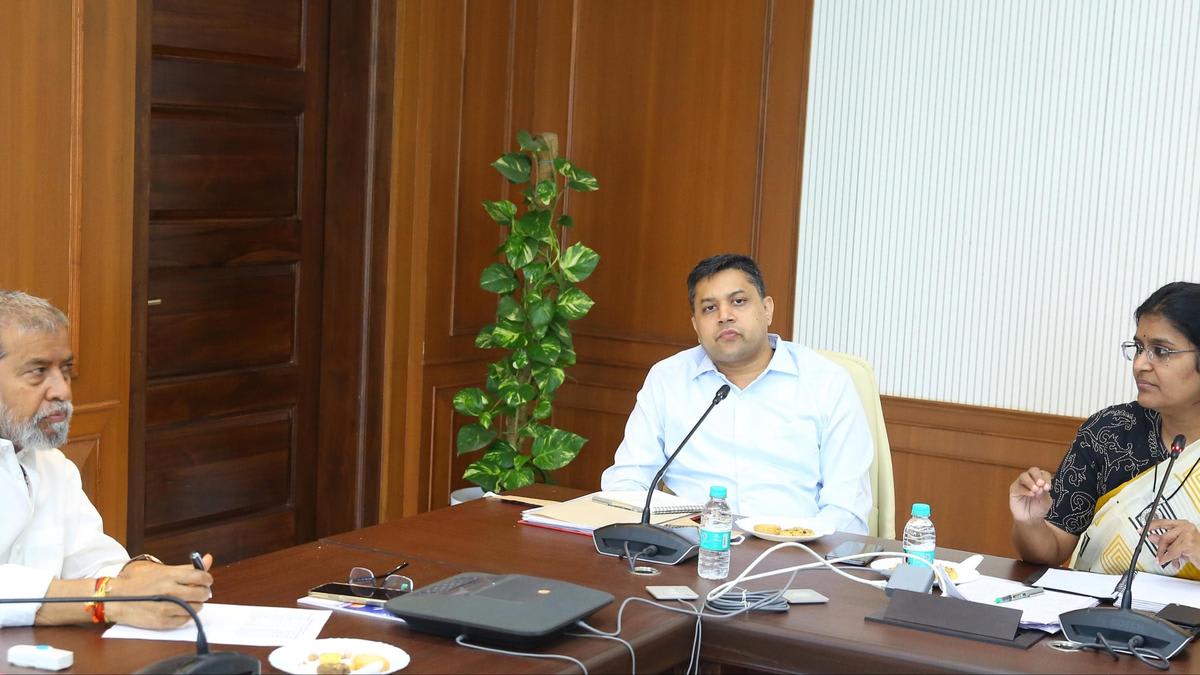
The Telangana government is planning to merge its Food Safety and Drugs Control Administration (DCA) departments to create a more unified and powerful enforcement mechanism against adulterated food and counterfeit medicines.
Strengthening Public Health Governance: Telangana's Strategic Departmental Merger
Telangana is embarking on a significant administrative overhaul by proposing the integration of the Food Safety department and the Drugs Control Administration (DCA). This move, driven by the state's Health Ministry, is designed to create a more cohesive and aggressive enforcement framework to protect citizens from the dual threats of adulterated food products and counterfeit pharmaceutical drugs. By breaking down the silos between these two critical regulatory bodies, the state aims to synchronize its surveillance and inspection capabilities, ensuring that public health standards are upheld with greater rigor.
Optimizing Operational Efficiency and Resource Allocation
The primary driver behind this merger is the pursuit of operational synergy. Historically, food safety and drug regulation have operated as distinct entities with separate reporting lines, budgets, and inspection schedules. This fragmentation often leads to bureaucratic redundancies and gaps in enforcement. By merging these departments, Telangana can implement a unified inspection protocol where officials are better equipped to handle a broader spectrum of health-related violations. This integration is expected to streamline the deployment of manpower and technical resources, allowing for more frequent and comprehensive raids on non-compliant manufacturers and distributors.
Combating the Menace of Adulteration and Counterfeiting
Adulterated food and counterfeit medicines represent a severe risk to public safety, often resulting in chronic health issues or immediate fatalities. The convergence of these departments allows the government to tackle the systemic nature of these crimes. Often, the supply chains for illicit food additives and fake medicines share similar clandestine distribution networks. A unified agency can employ a more holistic intelligence-gathering approach, tracking suspicious logistics and warehouse operations that might have previously slipped through the cracks of two separate departmental jurisdictions.
Administrative Synergy and Governance Reform
From a governance perspective, this merger reflects a shift toward a more integrated health administration model. Under the guidance of the Health Minister, the move suggests a transition toward a "single-window" enforcement strategy. By consolidating the legal and administrative machinery, the state can accelerate the process of filing cases and securing convictions against violators. The integration of databases will also allow for better cross-referencing of offenders, ensuring that a company flagged for food safety violations is also closely scrutinized for pharmaceutical compliance, thereby creating a comprehensive risk profile for every registered business.
Broader Implications and Historical Context
In the broader context of Indian state governance, overlapping jurisdictions between different regulatory bodies have often been a point of inefficiency. Telangana's approach mirrors a global trend toward the creation of comprehensive health safety agencies (similar to the FDA model in the United States), where food and drugs are regulated under one umbrella. This modernization of the state's administrative architecture signals a proactive stance in addressing the complexities of the modern supply chain, where the lines between nutraceuticals, supplements, and medicines are increasingly blurred.
Future Outlook and Predicted Trends
Looking forward, this merger is likely to set a precedent for other Indian states struggling with fragmented health enforcement. We can predict a rise in the use of integrated digital monitoring systems and a potential increase in the number of joint inspections. Furthermore, the consolidation is expected to lead to more stringent licensing requirements and a faster turnaround time for quality control testing. As the new integrated body matures, the state will likely introduce more transparent, real-time reporting mechanisms for the public to report suspected adulteration, further enhancing the democratization of health safety.
Conclusion
Telangana's plan to merge the Food Safety and Drugs Control departments is more than a simple administrative reshuffle; it is a strategic investment in public health. By consolidating power and resources, the state is positioning itself to more effectively purge the market of dangerous counterfeits and adulterants, ultimately fostering a safer environment for its citizens and a more accountable industry for producers.
Verification Required?