Australia sues Telegram over alleged failures to remove terror content
Source Entity
Cointelegraph by Helen Partz
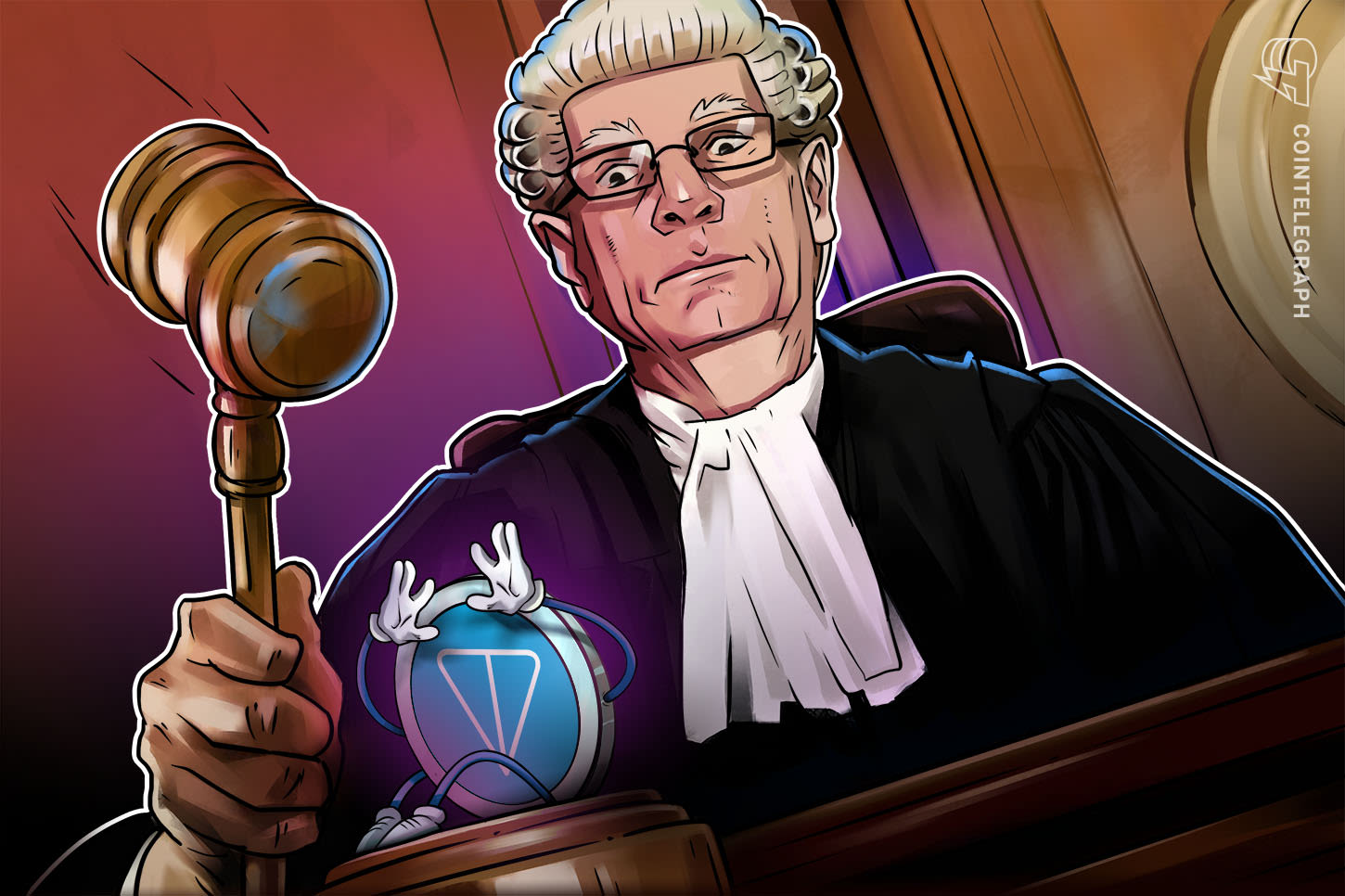
Telegram is currently facing significant legal pressure, including Australian court proceedings over extremist content moderation and Russian accusations of terrorism. These developments highlight the mounting global scrutiny regarding the platform's privacy-centric model and its resistance to government censorship.
The Global Legal Siege on Telegram
Telegram, a platform boasting over one billion active users, is currently navigating a precarious intersection of international regulation and geopolitical conflict. The messaging application, known for its emphasis on privacy and minimal moderation, has become the focal point of a major legal challenge in Australia. The eSafety Commissioner has initiated civil penalty proceedings in the Federal Court, alleging that the platform failed to uphold its statutory obligations under the Online Safety Act regarding the removal of extremist, pro-terror content despite multiple user reports.
The Australian Regulatory Challenge
The Australian government’s move represents a significant escalation in the enforcement of digital safety standards. By targeting Telegram for its alleged failure to detect and purge terrorism-linked material, regulators are testing the limits of platform accountability in the digital age. This case serves as a litmus test for the Online Safety Act, signaling that even platforms with global reach and decentralized architecture are not immune to the domestic jurisdiction of national authorities when they fail to address content that poses a threat to public safety.
Geopolitical Friction and the Durov Factor
Simultaneously, Telegram founder Pavel Durov is contending with severe accusations from Russian authorities. The Federal Security Service has designated Durov a "terrorist," an action Durov publicly maintains is a retaliatory measure. According to the founder, this designation stems from his refusal to comply with Russian government demands for mass surveillance and the implementation of broad censorship mechanisms on the platform. This creates a complex narrative where Telegram is simultaneously accused of being too permissive of extremists by Western regulators, while being targeted by authoritarian regimes for being too protective of privacy.
The Tension Between Privacy and Oversight
At the core of these legal battles lies the fundamental tension between end-to-end encryption, user privacy, and the demand for state-mandated content moderation. Telegram’s business model is predicated on the idea of a secure, open communication channel. However, this design feature has increasingly made it a target for law enforcement agencies worldwide. The duality of these challenges—facing criticism for both failing to police content and failing to assist state surveillance—underscores the difficult position of modern tech giants caught between competing global legal frameworks.
Broader Implications for Digital Governance
The outcome of the Australian Federal Court proceedings will likely set a significant precedent for how other nations approach the regulation of encrypted messaging services. If the court rules against Telegram, it may pave the way for more stringent global requirements for proactive content moderation. Conversely, the public standoff between Durov and Russian authorities highlights a growing trend of tech leaders facing personal legal risks for their platform policies, suggesting a future where digital governance is increasingly entangled with personal geopolitical risk for company founders.
Future Trends in Platform Accountability
Looking ahead, it is clear that the era of "hands-off" platform moderation is drawing to a close. As governments worldwide update their legal frameworks to manage digital threats, platforms like Telegram will likely be forced to reconcile their original mission of total privacy with the rising demand for safety and compliance. Whether through technical shifts in moderation or increased cooperation with international regulatory bodies, Telegram’s operational model is destined to evolve under the weight of these mounting legal pressures.