SpaceX alumni building remote-controlled construction equipment land $115 million fund round
Source Entity
US Top News and Analysis
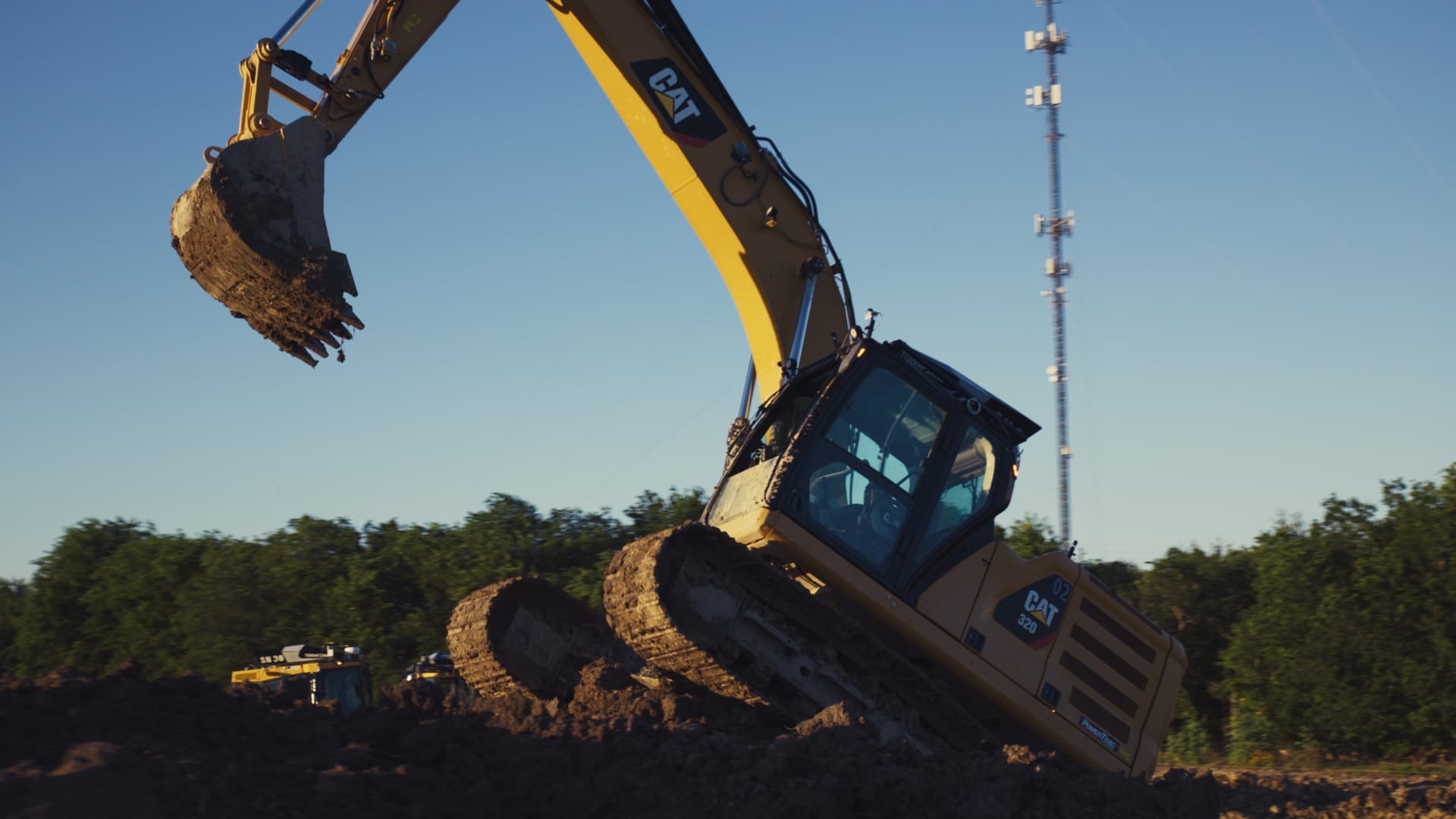
TerraFirma, a venture founded by SpaceX alumni, has raised $115 million in funding to develop remote-controlled construction equipment, with plans to build a new factory and a dedicated mission control center.
TerraFirma's Strategic Leap into Autonomous Infrastructure
In a significant move toward the modernization of the construction industry, TerraFirma—a company founded by former SpaceX engineers—has successfully secured $115 million in a new funding round. This capital injection is earmarked for aggressive growth, specifically targeting the expansion of their workforce and the establishment of critical physical infrastructure, including a new manufacturing factory and a specialized mission control center. The transition of talent from aerospace to heavy machinery suggests a strategic attempt to apply high-precision engineering and remote-operation paradigms to the terrestrial construction sector.
The Infrastructure of Innovation: Factory and Mission Control
The decision to allocate funds toward a dedicated factory and a 'mission control center' is particularly telling. Unlike traditional construction equipment manufacturers who rely on fragmented supply chains, TerraFirma appears to be pursuing a model of vertical integration. By building their own factory, they can iterate on hardware designs rapidly—a hallmark of the SpaceX philosophy. Furthermore, the concept of a mission control center implies that TerraFirma is not simply selling machines, but is building a centralized ecosystem to manage, monitor, and potentially operate these remote-controlled assets from a distance, mirroring the way rockets are managed from a ground station.
Remote Operation: Solving Construction's Greatest Pain Points
Remote-controlled construction equipment addresses several systemic issues within the global building and infrastructure sectors. Primarily, it enhances safety by removing human operators from high-risk environments, such as unstable excavation sites, hazardous waste zones, or extreme weather conditions. Beyond safety, this technology allows for a decoupling of the operator's location from the machine's location. This could potentially solve chronic labor shortages in specialized heavy machinery operation by allowing a single expert operator to manage multiple sites across different geographies from a centralized hub.
The "SpaceX Pedigree" and Engineering Philosophy
The involvement of SpaceX alumni brings a specific cultural and technical approach to the venture. SpaceX is renowned for its 'first principles' thinking and its willingness to embrace rapid prototyping and failure to achieve breakthroughs. Applying this mindset to construction equipment suggests that TerraFirma may be looking to disrupt the slow-moving, legacy-driven heavy machinery market. The use of advanced telemetry, low-latency communication, and precision robotics—all staples of aerospace engineering—is likely the core technical advantage TerraFirma is leveraging to differentiate its product from existing tele-operated machinery.
Market Implications and the Shift Toward Construction 4.0
This funding round signals a broader trend toward "Construction 4.0," where digitalization and automation become the primary drivers of efficiency. The construction industry has historically been one of the least digitized sectors of the global economy. TerraFirma's entry, backed by substantial capital, indicates that investors see a massive opportunity in converting manual labor into remote, data-driven operations. If successful, this could lead to a paradigm shift where construction sites are viewed as remote operational zones rather than traditional manual labor sites.
Future Trajectory: From Remote Control to Autonomy
While the current focus is on remote-controlled equipment, the trajectory of such technology almost inevitably leads toward full autonomy. The mission control center mentioned in the funding announcement will likely serve as the data collection hub necessary to train AI models for autonomous earth-moving and building tasks. By capturing thousands of hours of remote-operation data, TerraFirma is positioning itself to transition from human-in-the-loop systems to fully autonomous fleets that can operate 24/7 with minimal supervision.
Conclusion
TerraFirma's $115 million funding round is more than just a financial milestone; it is a signal of the aerospace industry's influence bleeding into traditional industrial sectors. By combining the ambition of SpaceX alumni with the practical needs of the construction world, TerraFirma is poised to redefine how we build our physical world. The focus on a centralized mission control and internal manufacturing suggests a long-term vision of a fully integrated, remote-operated infrastructure ecosystem that prioritizes safety, efficiency, and scalability.