US auto safety regulator says evaluating Tesla’s Cybercab rollout
Source Entity
The Indian Express
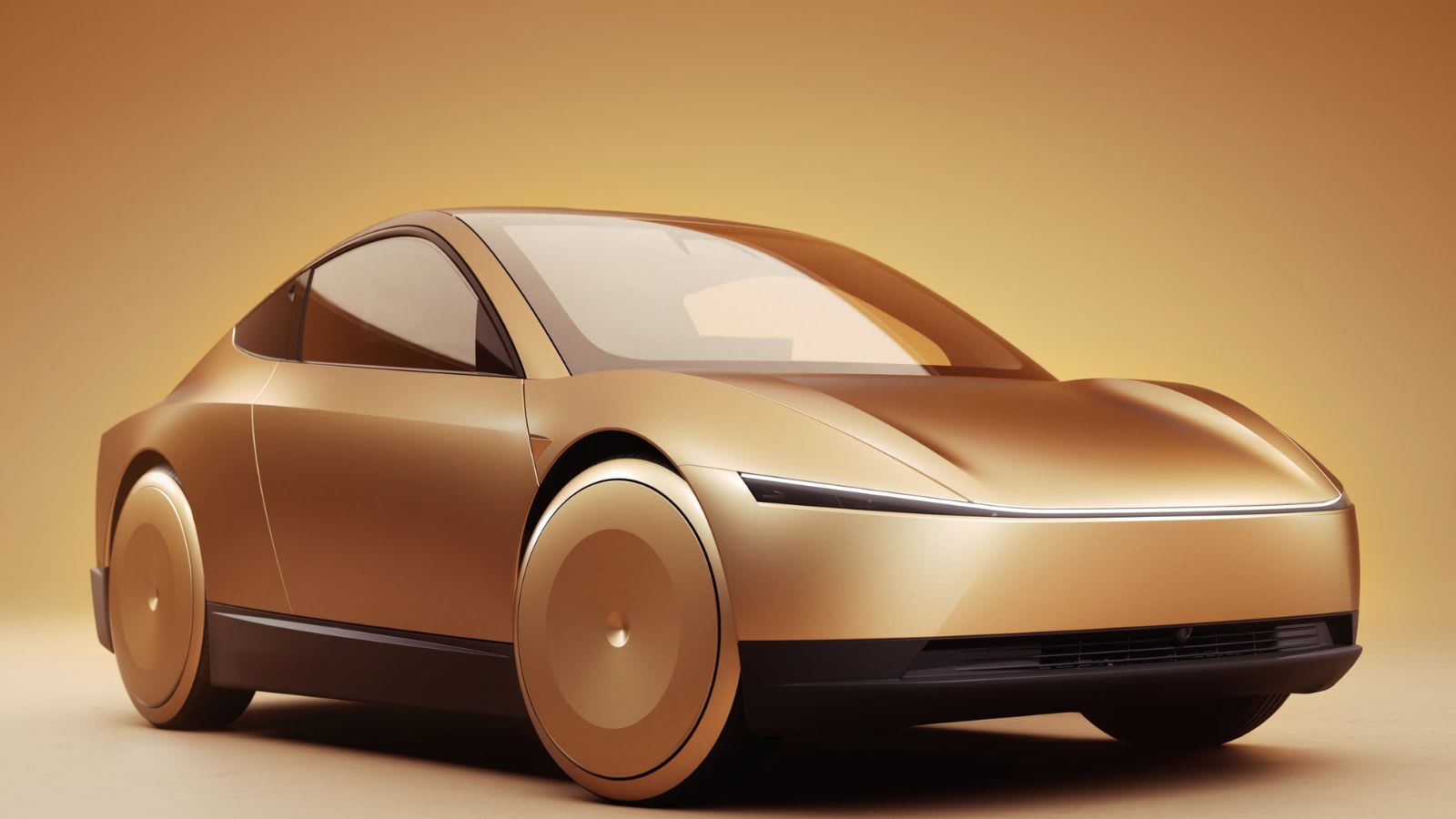
Tesla is preparing to launch its autonomous, pedal-less Cybercab in Austin, Texas. The company is exploring a fleet-based business model, inviting third-party operators to express interest in purchasing these vehicles.
The Dawn of the Driverless Era: Tesla's Cybercab
Tesla is currently standing at what many industry analysts describe as a pivotal 'fork in the road' moment. After nearly two years of anticipation since the initial design reveal, the company is finally moving toward the formal launch of the Cybercab. This gold-hued, two-seater vehicle represents a radical departure from traditional automotive design, stripping away the steering wheel and pedals in favor of a purely camera and AI-driven navigation system.
A Shift in Operational Philosophy
The move toward a vehicle without manual controls signifies a profound shift in Tesla's long-term business strategy. While early iterations of Tesla’s autonomous vision were centered on individual ownership, the recent publication of a fleet interest form on their website signals a transition toward a commercial, scalable network. By soliciting interest from businesses looking to purchase Cybercab fleets or provide supporting infrastructure, Tesla is clearly signaling that it intends to expand beyond its role as a manufacturer into a foundational player in the robotaxi ecosystem.
Scaling the Autonomous Dream
To build momentum ahead of the Austin event, Tesla has engaged in an aggressive public awareness campaign. With reports of dozens of Cybercabs staged across U.S. cities and 420 autonomous vehicles already registered in Texas, the company is moving from theoretical design to practical deployment. This 'storm of Cybercabs,' as described by CEO Elon Musk, is intended to prove that the technology is not just a prototype but a functional, road-ready solution.
The Role of Artificial Intelligence
At the core of the Cybercab’s viability is the company's commitment to AI-driven navigation. With Ashok Elluswamy, the head of Tesla AI, playing a central role in the development, the vehicle relies entirely on cameras and machine learning to interpret the environment. This represents an enormous technical hurdle, as the removal of physical control interfaces places the entire burden of safety and navigation on the software stack.
Implications for the Future of Transport
The upcoming Austin event acts as a litmus test for Tesla’s ability to transition into a service-oriented robotaxi provider. Whether the launch manifests as a limited demonstration or a full-scale operational rollout, the implications are vast. If successful, Tesla will have effectively challenged the traditional model of personal vehicle ownership, replacing it with an autonomous, fleet-based transportation network that could fundamentally alter urban mobility.
Conclusion
As Tesla prepares to share further details, the industry remains focused on whether the company can maintain its ambitious timeline while ensuring the safety and reliability of its driverless fleet. The shift toward a B2B model for Cybercab acquisition suggests that Tesla is preparing for a future where autonomous transport is a utility provided by a network of operators rather than just a luxury vehicle parked in a private garage.
Multiple Citing Sources