Elon Musk Just Revealed a Quiet Win for Tesla’s AI Ambitions
Source Entity
Yahoo Finance
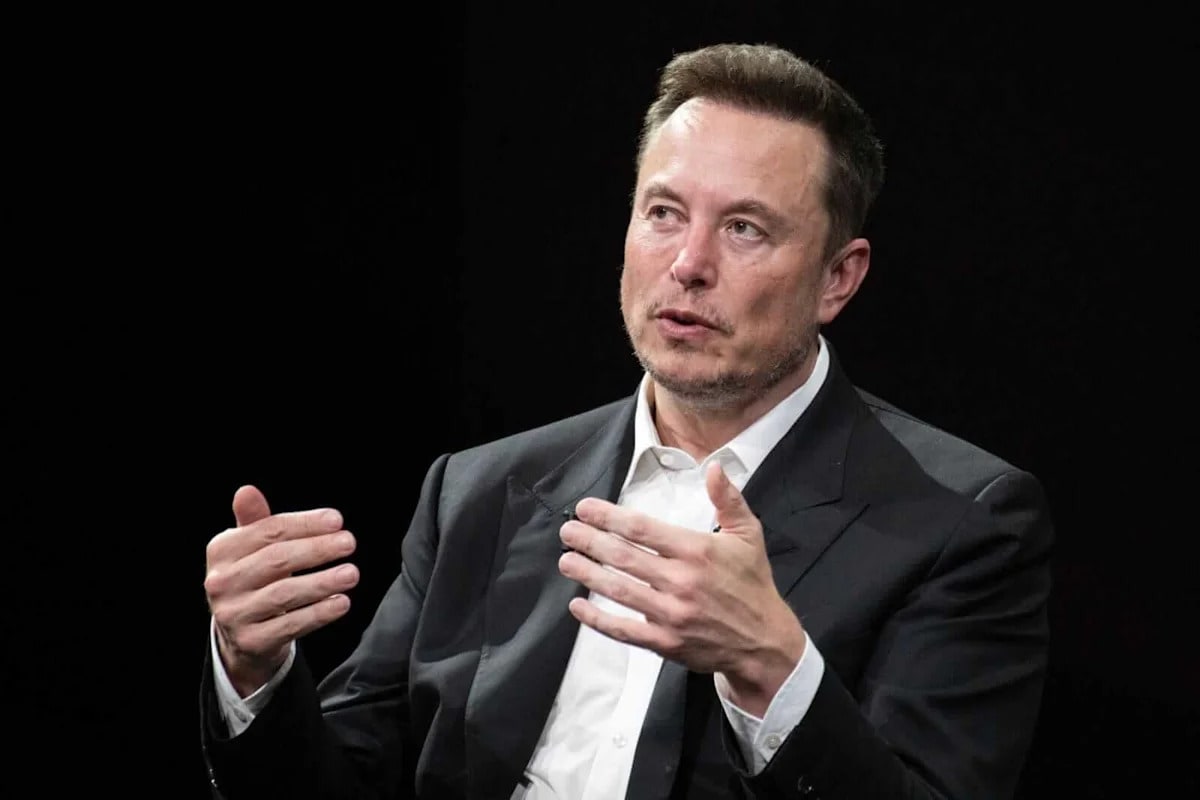
Tesla has secured a crucial supply of memory chips from Micron to fuel its AI and autonomous driving ambitions. Despite recent earnings misses, this strategic partnership helps mitigate industry-wide shortages threatening Tesla's long-term growth.
Strategic Resource Allocation: Tesla’s AI Infrastructure
On July 22, Elon Musk provided critical transparency regarding Tesla’s supply chain, specifically addressing the acquisition of memory chips. By securing a "very significant allocation" from Micron on "reasonable terms," Tesla has effectively insulated itself against the volatile pricing and availability issues currently plaguing the semiconductor industry. This move is not merely a short-term logistical fix; it represents a long-term commitment from Micron to prioritize Tesla’s hardware needs, which is essential for the company's aggressive AI development roadmap.
The Impact of AI-Driven Chip Shortages
The broader technology sector is currently grappling with a severe supply-demand imbalance. As industries race to integrate artificial intelligence, the demand for high-performance memory has skyrocketed. Industry leaders, including Apple’s Tim Cook, have described the current environment as a "hundred-year flood" of demand. For Tesla, navigating these "insane" price hikes is a prerequisite for maintaining its competitive edge in autonomous computing, where the cost of components directly dictates the profitability of its AI-driven services.
Evolving Beyond Automotive Sales
While Tesla is historically known as an EV manufacturer, its valuation narrative is rapidly shifting toward a full-stack autonomous technology platform. The company’s core business segments now extend far beyond vehicle sales and regulatory credits. The integration of its energy generation and storage solutions, such as the Megapack, alongside the development of its robotaxi service and Optimus humanoid robots, requires massive computing power. This hardware-intensive future makes the stability of its chip supply chain a foundational pillar of its business model.
Navigating Financial Headwinds
Tesla recently reported a notable miss in its earnings, yet the company’s leadership remains focused on long-term infrastructure. The shift toward AI computing and robotics is expensive, but it positions Tesla as an entity that is fundamentally different from a traditional car manufacturer. By securing memory chip allocations now, Tesla is proactively managing the capital expenditure risks associated with its pivot into AI, ensuring that its hardware requirements do not become a bottleneck for its future growth segments.
Future Trends and Market Implications
Looking ahead, the collaboration between Tesla and Micron highlights the increasing importance of direct partnerships between automotive tech firms and semiconductor manufacturers. As Tesla continues to refine its Full Self-Driving (FSD) software and expand its AI infrastructure, the ability to secure priority access to memory components will likely remain a key indicator of the company’s operational health. Investors should view this supply stability as a signal that Tesla is successfully navigating the transition from a hardware-centric EV company to a comprehensive AI and energy powerhouse.
Conclusion
In summary, the securing of a long-term memory chip supply from Micron is a quiet but monumental win for Tesla. It safeguards the company against industry-wide cost volatility and ensures that its ambitious AI projects—ranging from autonomous driving to humanoid robotics—have the computational resources required to scale. Despite short-term financial fluctuations, this strategic maneuvering reinforces Tesla's commitment to building a robust, long-term technological ecosystem.
Multiple Citing Sources