Why investors should be skeptical of a potential Tesla-SpaceX merger
Source Entity
Mark Hulbert
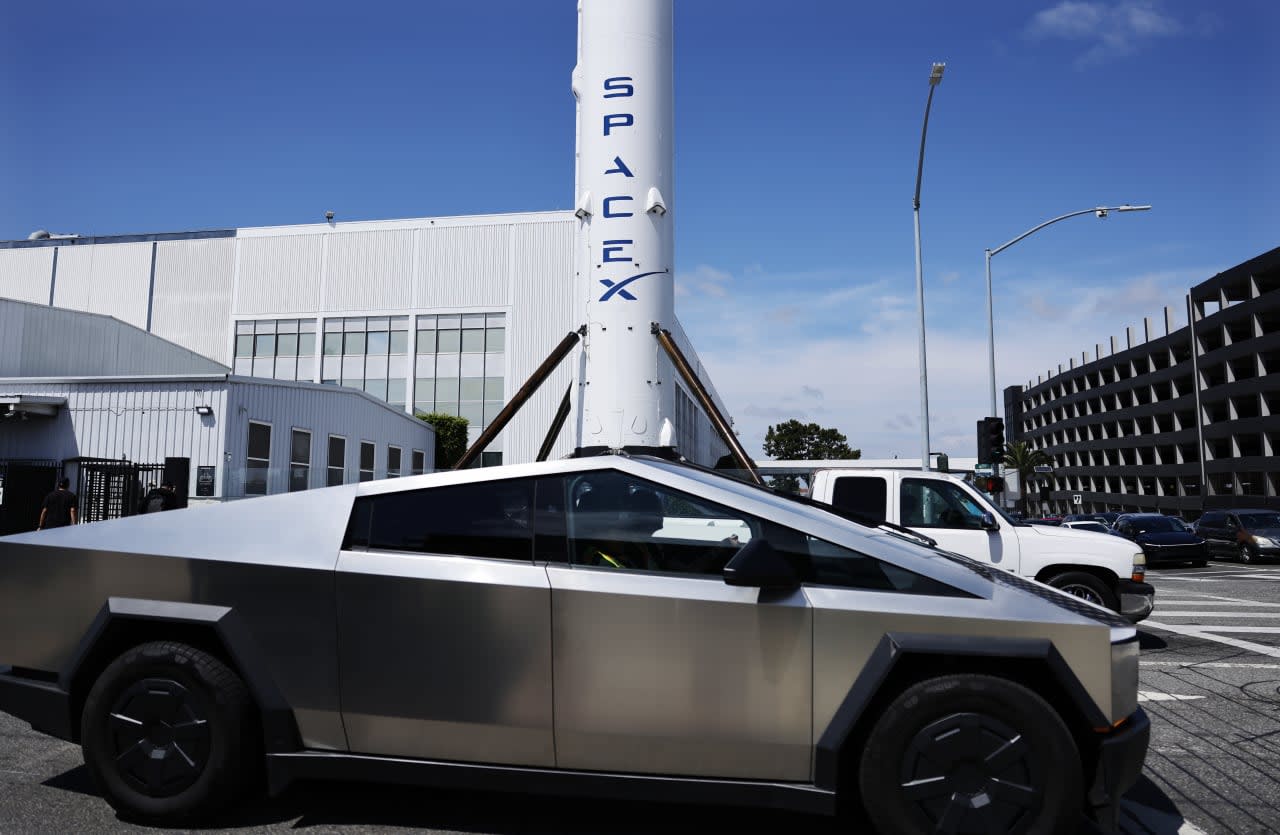
Elon Musk has expressed interest in merging Tesla and SpaceX to consolidate his business empire. However, the proposal faces significant investor skepticism and regulatory scrutiny regarding corporate governance.
The Strategic Ambition: A Musk-Led Consolidation
Elon Musk has recently sparked significant discourse on Wall Street by suggesting that merging his two primary corporate pillars, Tesla and SpaceX, would be a "good idea." This proposal reflects a broader trend toward the consolidation of his business interests, following the recent integration of his artificial intelligence firm, xAI, into the SpaceX fold earlier this year. Musk’s vision suggests a move toward a singular, unified entity that could potentially leverage shared resources, engineering talent, and technological infrastructure across automotive, energy, and aerospace sectors.
The Investor Reaction and Market Volatility
Despite the potential for vertical integration, the market response has been characterized by palpable skepticism. Tesla’s stock recently faced downward pressure as investors sought clarity on the merger, only to be met with a lack of substantive new information from Musk during recent communications. The uncertainty surrounding such a massive corporate restructuring often triggers volatility, as shareholders weigh the long-term potential of a conglomerate against the immediate risks of dilution, governance conflicts, and the potential distraction from Tesla’s core electric vehicle mission.
Governance and the Path to Integration
Musk has acknowledged that the decision is not his alone, emphasizing the necessity of shareholder support. In response to mounting pressure, both Tesla and SpaceX have established special committees of independent directors to evaluate the feasibility of such a complex maneuver. This step is crucial, as it introduces a layer of corporate governance intended to protect shareholder interests, especially given the distinct capital structures and public versus private status of the entities involved.
Historical Precedent and Structural Hurdles
Historically, mergers of this magnitude—combining an automotive manufacturer with a private space exploration company—are unprecedented in the modern era. While SpaceX’s public offering in June marked a significant milestone in its corporate evolution, the operational differences between mass-market consumer vehicles and bespoke aerospace engineering are vast. Experts suggest that integrating these cultures could lead to significant friction, potentially stalling innovation rather than accelerating it.
Future Trends and Strategic Outlook
Looking ahead, the success of any potential merger hinges on the findings of the independent committees and the subsequent vote of the shareholders. If the consolidation proceeds, it would signal a new chapter in corporate management, potentially setting a precedent for 'Super-Conglomerates' led by individual visionaries. However, if the skepticism currently gripping Wall Street persists, the plan may be shelved indefinitely, forcing Musk to find alternative ways to foster synergy between his companies without the formal legal and financial union of their balance sheets.
Multiple Citing Sources
Verification Required?