Texas halts data center connections to power grid amid overwhelming demand
Source Entity
Jeremy Hsu
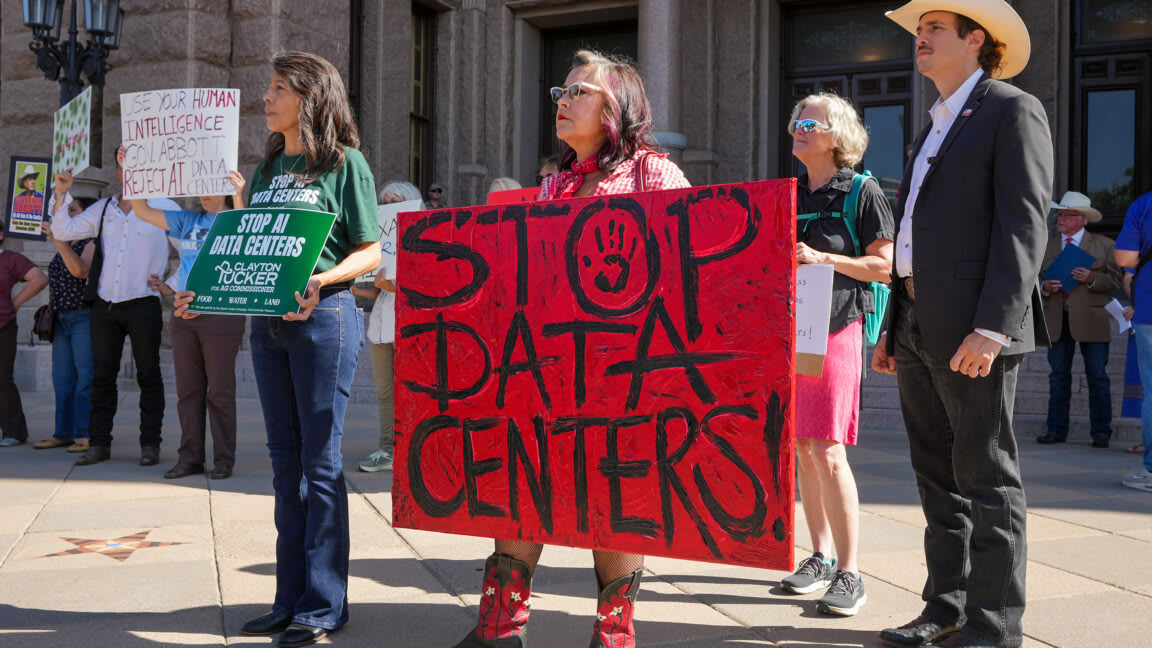
Texas Governor Greg Abbott has placed a moratorium on new data center grid connections to address overwhelming demand and infrastructure strain. While the move impacts future projects, analysts believe existing Bitcoin mining operations with established contracts will remain unaffected.
Texas Imposes Moratorium on Data Center Grid Connections
Texas, long celebrated for its business-friendly climate and abundant energy, has reached a critical turning point in its quest to become the global epicenter of artificial intelligence. Governor Greg Abbott’s recent directive to pause new data center connections to the Electric Reliability Council of Texas (ERCOT) grid marks a significant shift in policy, moving from aggressive expansion to cautious oversight. This decision comes as the state grapples with an unprecedented surge in power demand driven by the rapid proliferation of high-performance computing facilities.
The Catalyst: An Exploding Interconnection Queue
The scale of the demand is staggering. According to official reports, the ERCOT interconnection queue has ballooned from 233 gigawatts in January to a massive 474 gigawatts in less than six months. This rapid escalation has placed immense pressure on a power grid that operates independently from the rest of the United States. Governor Abbott’s mandate requires the Public Utility Commission of Texas (PUCT) and ERCOT to conduct a comprehensive audit of all projects currently in the pipeline to assess their potential impact on grid stability and local communities.
Balancing Innovation and Infrastructure
For years, Texas has attracted tech giants and developers by offering loose regulations and a seemingly inexhaustible power supply, trailing only Virginia in total data center capacity. However, the governor's office has acknowledged that even the Texas grid has limits. By pausing new connections, the state is attempting to reconcile its status as an AI powerhouse with the physical realities of energy infrastructure. The audit process is designed to ensure that the grid can support the massive energy requirements of modern data centers without compromising service for existing residential and commercial consumers.
Impact on Digital Asset Miners
While the moratorium has sent ripples through the technology sector, the impact appears to be uneven. Market analysts at Bernstein have indicated that Bitcoin miners currently operating in Texas are unlikely to face immediate disruption. Because most of these mining operations function under pre-existing, approved electricity contracts, their current capacity remains protected. This distinction highlights the focus of the governor’s order: the policy is targeted primarily at new, pending projects that have yet to secure their place on the grid.
Future Implications and Policy Outlook
The duration of this audit remains unspecified, creating a period of uncertainty for developers scouring the state for expansion sites. Public backlash regarding the speed of data center development has likely influenced this move, suggesting that future projects will face more rigorous scrutiny than in the past. As Texas moves forward, the state’s ability to manage its energy resources will determine whether it can maintain its competitive edge in the tech sector while ensuring the long-term reliability of its power infrastructure.