Voters in Texas agree: They hate data centers
Source Entity
Justine Calma
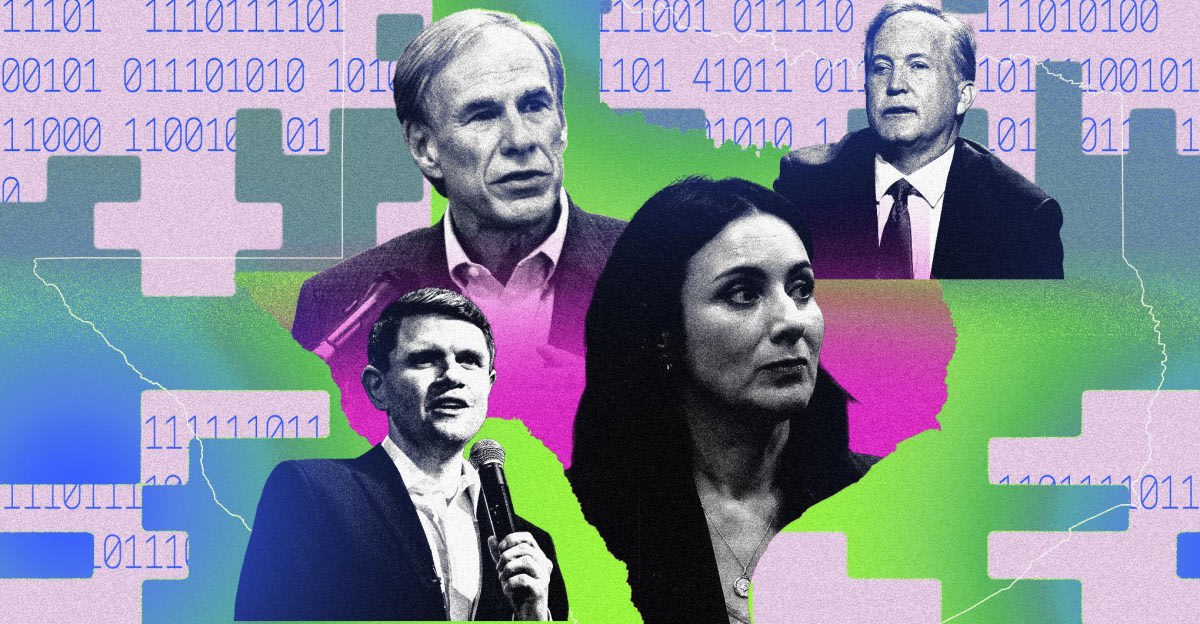
Texas is facing intense local opposition to the rapid expansion of data centers, leading to municipal bans and recall efforts. Community leaders like Gary Bledsoe highlight these developments as a major political issue heading into the midterms.
The Rise of Data Center Friction in Texas
The explosive growth of the digital infrastructure sector in Texas has hit a significant roadblock: grassroots resistance. As demand for data storage and processing power skyrockets, developers have descended upon the Austin metropolitan area and its surrounding suburbs with ambitious expansion plans. However, this industrial proliferation is clashing with local land-use expectations, pitting technological progress against community well-being.
The Battleground: Taylor, Temple, and San Marcos
The conflict is manifesting in various ways across the region. In Taylor, residents are actively fighting to preserve land originally designated for a public park, which developers now intend to repurpose for a data center. Meanwhile, in Temple, the political fallout has been severe; the mayor and City Council members are currently facing recall attempts specifically linked to their support for data center projects. This trend toward municipal pushback culminated in San Marcos, which made history by becoming the first city in Texas to implement a complete ban on new data centers.
Political Stakes and Community Sentiment
According to Texas NAACP president Gary Bledsoe, these disputes are no longer isolated zoning issues but have evolved into a central political narrative. With midterm elections approaching, the friction caused by these developments is becoming a litmus test for local candidates. The NAACP’s decision to join a coalition of opposition groups signals that the concern transcends mere NIMBYism, touching on broader themes of community representation and equitable development.
Environmental and Structural Concerns
At the heart of the opposition lies the fundamental question of what data centers bring to a community. While proponents argue they provide tax revenue and technological prestige, critics often point to the high energy and water consumption associated with these facilities. When developers attempt to build on land intended for community recreation, as seen in the Taylor case, it exacerbates the perception that corporate interests are being prioritized over public infrastructure.
Future Trends and Regulatory Outlook
The success of the San Marcos ban suggests that municipal governments may increasingly feel the pressure to act against the interests of data center developers to appease their voting bases. As more cities observe the political upheaval in Temple and the organizational success in San Marcos, it is likely that other municipalities will adopt stricter zoning regulations or moratoriums. This shifting landscape suggests that Texas, once a frictionless environment for tech infrastructure, is transitioning into a complex regulatory environment where community consent is now a prerequisite for growth.