The Clapper was a bad smart home gadget — and a viral sensation
Source Entity
David Pierce
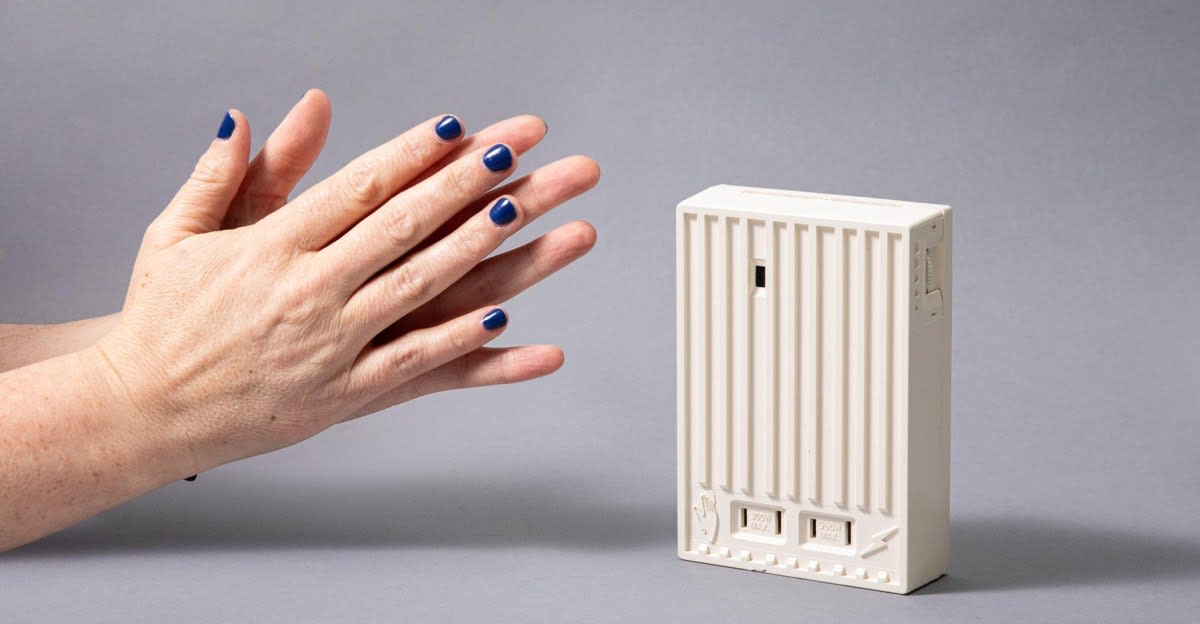
The Clapper was an early, often unreliable smart home device that achieved viral success despite significant technical flaws. It serves as a primitive precursor to modern voice-controlled automation, emphasizing the power of novelty over reliability.
The Paradox of The Clapper: A Case Study in Viral Tech Failure
The Frustrating Reality of Early Automation
The Clapper stands as a fascinating example of a product that achieved massive commercial success despite significant technical shortcomings. At its core, the device promised a futuristic "clap on, clap off" convenience, yet the actual user experience was characterized by a precarious balance of timing and volume. As noted, the device often required a specific rhythm—a "half a beat" pause—that left users clapping louder and faster in frustration when the sensor failed to trigger. This gap between the marketing promise of seamless control and the reality of erratic performance defines much of the early consumer electronics era.
Technical Risks and Reliability Issues
Beyond the mere annoyance of failed triggers, The Clapper posed genuine risks to the hardware it was meant to control. The reports indicate that the device could potentially "fry" the gadgets plugged into it, suggesting a lack of sophisticated power regulation or surge protection. In the modern era of smart plugs and UL-certified home automation, such a risk would be a critical failure. However, in its time, this risk was overshadowed by the sheer novelty of sound-activated switching, highlighting a period where consumer curiosity often outweighed concerns over technical stability.
The Power of Marketing: From "The Great American Turn-On" to Viral Hit
The trajectory of The Clapper demonstrates the potency of advertising over engineering. Originally conceived as "The Great American Turn-On," the product leveraged a bold identity and aggressive marketing to capture the public's imagination. By positioning itself as a magical addition to the home, it became a viral sensation long before the term "viral" was associated with social media. Its success was not driven by its utility—which was minimal given its unreliability—but by its status as a novelty item that promised a glimpse into a high-tech future.
Historical Context within the Smart Home Evolution
When viewed through a historical lens, The Clapper was a primitive ancestor to the modern Internet of Things (IoT). Long before the advent of sophisticated voice recognition systems like Amazon Alexa or Google Assistant, The Clapper attempted to solve the same problem: controlling the physical environment without a manual switch. While it relied on simple acoustic triggers rather than complex natural language processing, it established the consumer desire for "ambient" control of the home, paving the way for the sophisticated automation ecosystems we see today.
Lessons in Consumer Tech and Future Trends
The legacy of The Clapper serves as a reminder that early adoption is often driven by the "wow factor" rather than efficiency. The transition from The Clapper's erratic acoustic sensing to today's precision-engineered smart homes reflects a broader trend in technology: the move from novelty to reliability. Future trends in home automation will likely continue this trajectory, moving away from active triggers (like clapping or speaking) toward predictive AI that anticipates user needs without any manual input at all.
Conclusion: A Flawed but Iconic Legacy
In summary, The Clapper was a "bad" gadget by technical standards, yet a brilliant one by marketing standards. It managed to enter the cultural lexicon by offering a glimpse of a futuristic lifestyle, even if that lifestyle involved clapping repeatedly at a lamp. Its story, as explored in "Version History," underscores the enduring human fascination with technology that feels like magic, regardless of whether that magic actually works.