Three tankers caught fire in Strait of Hormuz after hitting naval mines: Iran's navy
Source Entity
Latest News: Todays Latest News Headlines from India & World | Hindustan Times
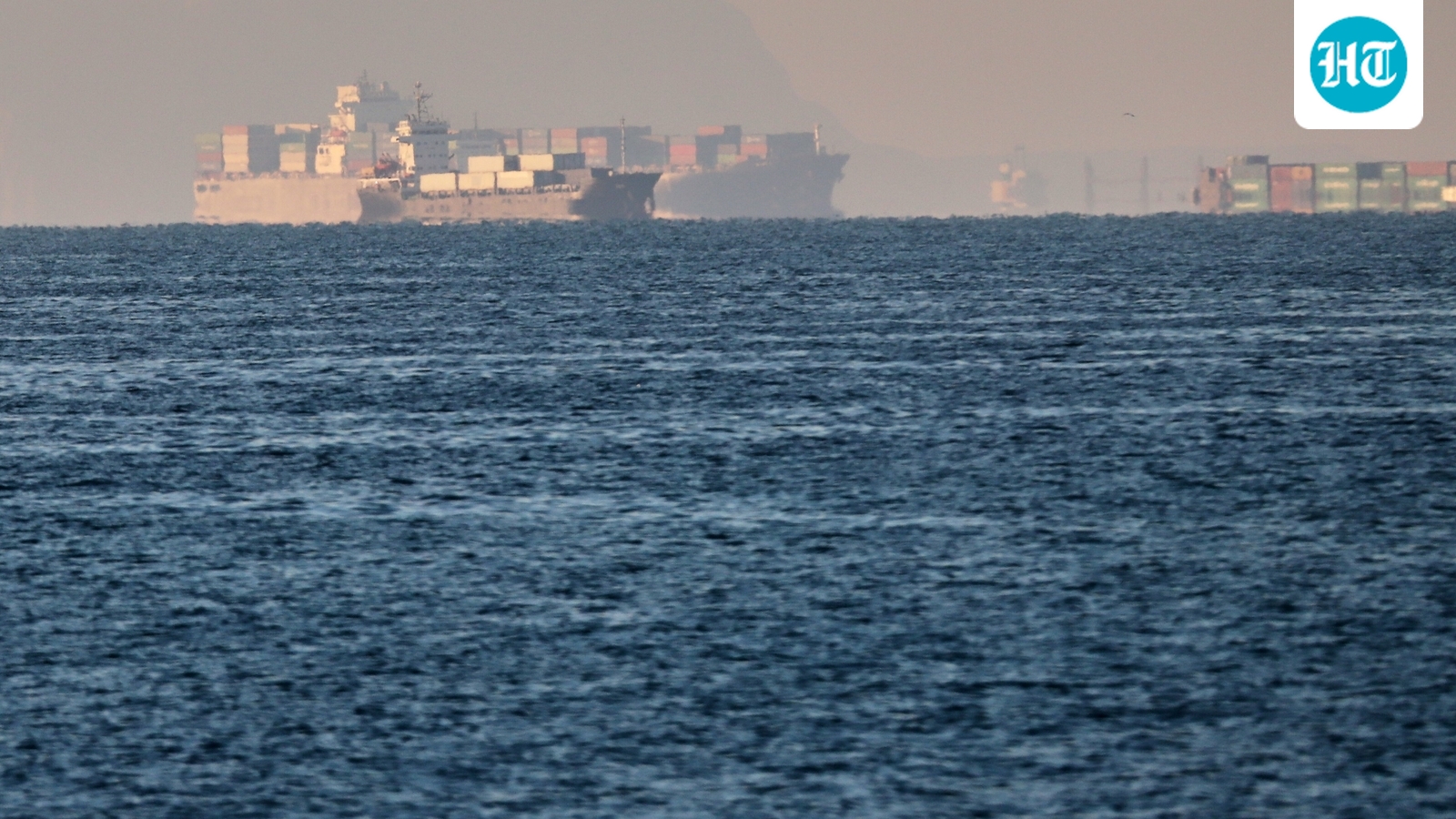
Three oil tankers caught fire in the Strait of Hormuz after striking naval mines, with Iranian officials alleging that two vessels were navigating restricted routes. This incident significantly heightens maritime security concerns in one of the world's most critical oil transit chokepoints.
Maritime Tensions Escalate in the Strait of Hormuz
The Strait of Hormuz, a vital artery for global energy supplies, has become the site of a severe security incident. According to reports from Iranian state media, three oil tankers were struck by naval mines on Saturday, resulting in significant fires and explosions. The Iranian Revolutionary Guards Navy (IRGC) has publicly confirmed the events, framing the incident within the context of maritime border enforcement and the violation of established transit protocols.
The Sequence of Events
The escalation began in the early hours of Saturday when an initial tanker struck a mine in the eastern sector of the Strait. As the day progressed, the situation worsened significantly. By evening, two additional tankers were involved in a separate incident. The IRGC explicitly stated that these two vessels were attempting to traverse a prohibited route, leading to the detonation of mines that caused the ships to burst into flames. This narrative suggests an active enforcement posture by Iranian naval forces regarding the navigation of these restricted waters.
Strategic Significance of the Strait
The Strait of Hormuz is arguably the world's most important oil chokepoint, with a significant percentage of global crude oil production passing through its narrow passage daily. Any disruption in this area—particularly one involving naval mines and fire—carries immediate and profound implications for global energy markets. The volatility introduced by these explosions poses a direct threat to the stability of energy logistics and increases insurance premiums for commercial shipping operating in the Persian Gulf.
Geopolitical Implications and Regional Stability
This incident does not occur in a vacuum; it follows a history of heightened tensions in the region, including previous reports of drone interceptions and naval confrontations. By citing the violation of restricted routes, Iran is utilizing maritime law and security protocols to justify its defensive measures. However, the international community often views such actions through the lens of power projection and regional influence, particularly given the proximity to major transit lanes used by global shipping fleets.
Historical Context and Future Trends
Historically, the Strait of Hormuz has been a flashpoint for maritime conflict, often serving as a barometer for broader diplomatic relations between Iran and Western powers. The use of naval mines represents a asymmetric warfare tactic that can effectively paralyze shipping traffic without the need for a full-scale naval engagement. Moving forward, observers should expect increased military posturing in the region, as commercial entities and international naval coalitions grapple with the heightened risk profile of this essential maritime corridor.
Conclusion
The situation remains fluid as the international community assesses the damage and the potential for further maritime disruptions. With three tankers compromised, the immediate priority will be the containment of environmental hazards and the safety of the crews involved. The incident serves as a stark reminder of the fragile nature of global supply chains and the ease with which regional disputes can impact the global economy.
Verification Required?