Tiger shooters got weapons via ‘dead drop’; couriers delivered guns a day earlier
Source Entity
RAJ SHEKHAR JHA
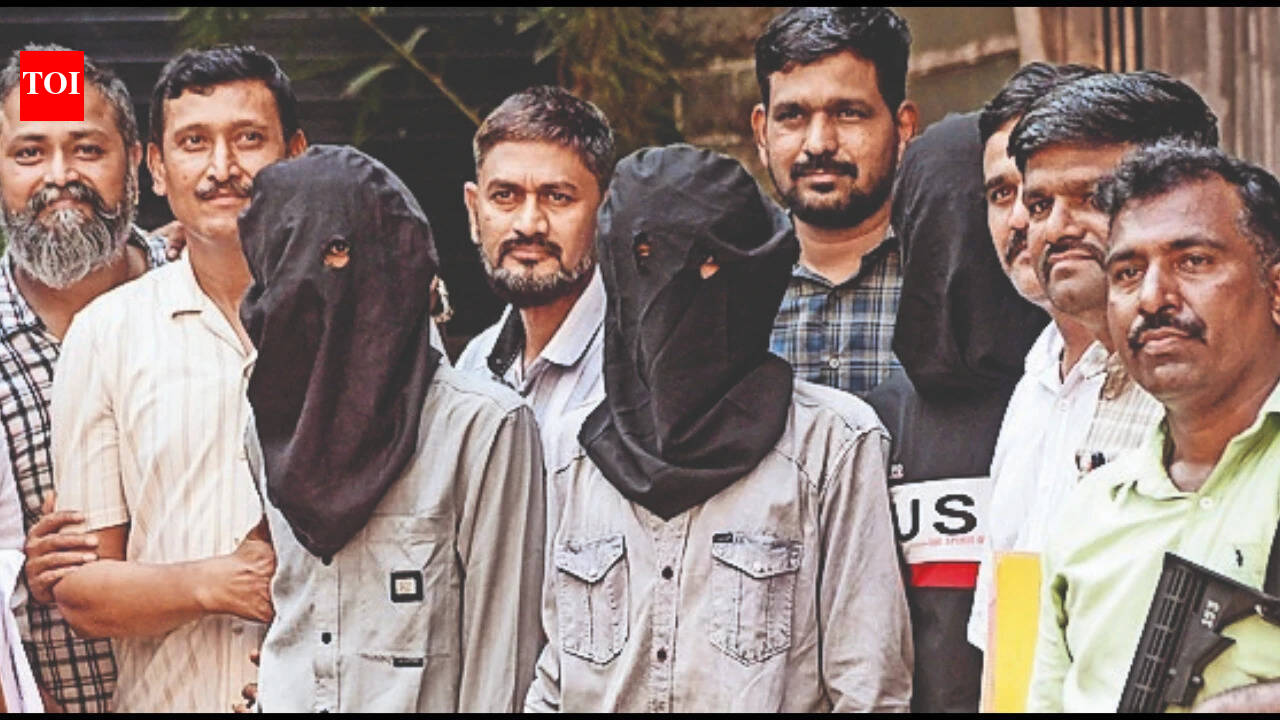
Shooters targeting actor Tiger Shroff utilized a 'dead drop' method to receive weapons delivered by couriers. Key suspect Kunal, linked to major gangsters, has been arrested alongside accomplices as the investigation continues.
The Mechanics of the Tiger Shroff Attack
The recent investigation into the attempted attack on actor Tiger Shroff has unveiled a sophisticated criminal operation characterized by calculated logistics and clandestine communication. According to reports, the shooters involved received their weaponry via a 'dead drop' arrangement on October 17, a full twenty-four hours before the incident occurred. This tactical delay underscores a clear intent to minimize physical contact between suppliers and operatives, a common hallmark of organized crime syndicates attempting to evade law enforcement detection.
The Role of Couriers and Supply Chains
The supply chain for these weapons was facilitated by two couriers, identified as Babita and Radha, who have since been taken into custody. These individuals acted as the physical bridge in the transaction, receiving the arms at the New Delhi Railway Station from the primary supplier, Kunal. By utilizing public transit hubs for such sensitive handovers, the perpetrators likely sought to exploit the high volume of foot traffic to camouflage their illicit activities, demonstrating a high level of operational planning.
Kunal: A Nexus of Criminal Activity
Kunal has emerged as the central figure in this unfolding investigation. Investigations indicate he maintained direct communication with known gangsters Anil Pandit and Randeep Malik for over two months leading up to the incident. This connection to established underworld figures suggests that the attack on the actor was not a spontaneous act of violence but rather a premeditated effort coordinated by higher-level criminal elements. His history as a weapon supplier—specifically his previous link to the murder of a forex-hawala trader in Sonipat—further cements his role as a professional facilitator for organized crime.
Legal Proceedings and Forensic Implications
Following their arrest, the accused individuals have been remanded to police custody until October 31. This period is critical for investigators to map out the broader network of the gang and determine the specific motives behind the targeting of the actor. The forensic analysis of the weapons seized and the digital footprint left by the communication between Kunal and the gangsters will likely form the backbone of the prosecution's case in the coming weeks.
Broader Implications and Future Trends
The use of 'dead drops' and courier-based logistics in this case highlights a worrying trend in the professionalization of criminal activity in the region. As law enforcement agencies increasingly leverage digital surveillance to track suspects, criminals are pivoting toward archaic, low-tech methods of transferring contraband to avoid leaving digital breadcrumbs. This shift poses a significant challenge to modern policing, requiring authorities to balance high-tech intelligence gathering with old-school field surveillance and human intelligence to dismantle these dangerous networks before they strike again.