TikTok permanently bans ‘Musk’ documentary advertising account
Source Entity
Anthony Ha
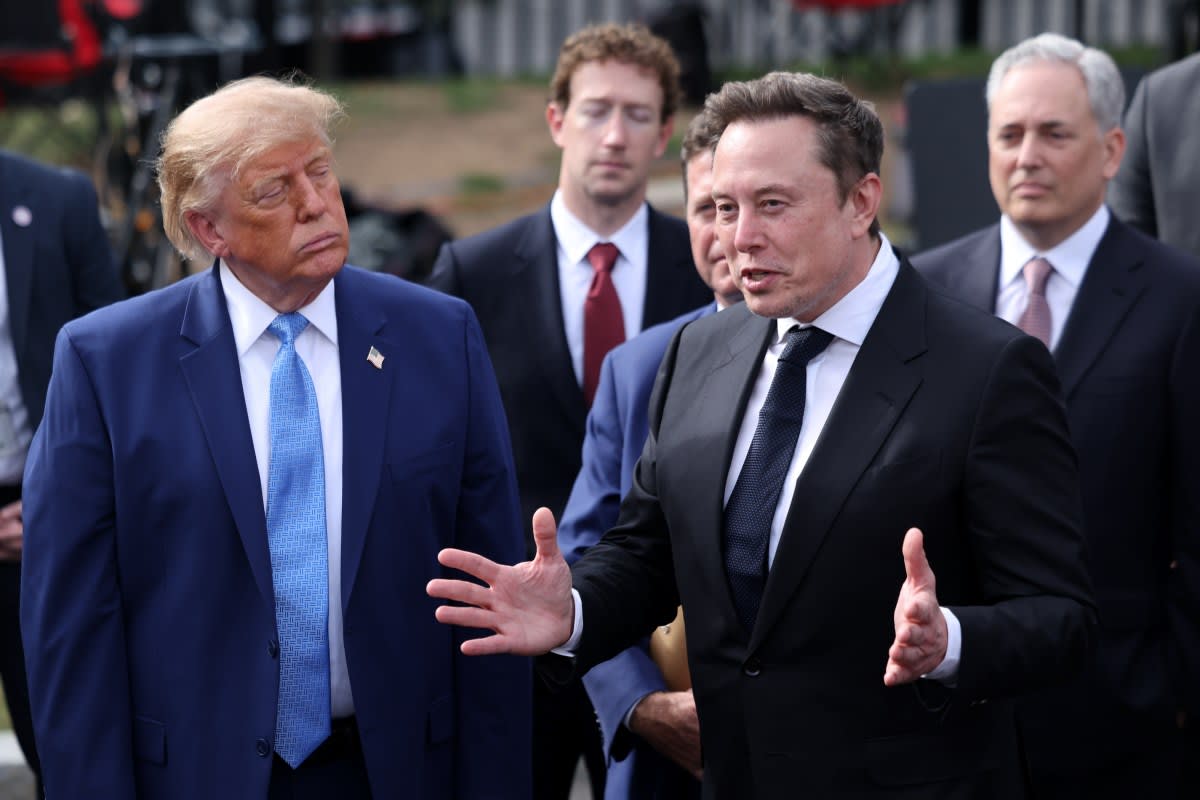
TikTok has permanently banned the official promotional account for Alex Gibney's documentary 'Musk' due to its political content. This incident follows similar advertising rejections from Meta and YouTube, highlighting the challenges of marketing politically sensitive content on major social platforms.
The Digital Gatekeepers: TikTok Bans 'Musk' Documentary Account
In a significant development for media distribution and digital censorship, TikTok has officially implemented a "permanent suspension" of the social media account dedicated to promoting Alex Gibney’s upcoming four-hour documentary on Elon Musk. This decision, communicated to the film's distributor, Bleecker Street, underscores the growing friction between high-profile political content and the algorithmic guardrails maintained by major social media platforms.
The Anatomy of Platform Resistance
This is not an isolated incident but rather the latest in a series of hurdles for the documentary. Prior to the TikTok ban, the film’s promotional team faced significant resistance from other digital giants. Both Meta and YouTube initially rejected advertisements for the film, only to later reverse course—with Meta citing an internal "error" for the initial denial. The fact that the film’s international distributor, Universal, reportedly wavered on release plans suggests that the documentary’s content, which explores the complex legacy of one of the world's most influential tech figures, is being treated with extreme caution by corporate entities.
The Role of Political Content Policy
According to reports, TikTok’s justification for the permanent suspension centers on the film's "political content." While social media platforms frequently cite community guidelines regarding political advertising to maintain neutrality, the broad application of such bans often leads to accusations of shadow-banning or suppression. In this case, the documentary features notable figures like Oracle’s Larry Ellison, who is shown in text messages offering financial support for Musk's acquisition of Twitter, placing the film firmly within the realm of high-stakes corporate and political narrative.
Broader Implications for Media Freedom
This incident highlights a precarious trend where private platforms act as de facto gatekeepers for public discourse. When a documentary—directed by an Oscar-winning filmmaker like Alex Gibney—is denied access to the primary marketing channels required for modern film distribution, it raises fundamental questions about the visibility of critical journalism. If major platforms can effectively stifle the reach of investigative works under the guise of content policy, the democratic process of vetting powerful figures through media becomes increasingly compromised.
Future Trends and Outlook
Moving forward, the industry should expect continued volatility regarding the promotion of "controversial" or politically charged documentaries. As platforms tighten their definitions of acceptable advertising, distributors may need to shift toward alternative, decentralized marketing strategies. The "Musk" documentary case serves as a warning that even high-profile projects are not immune to the opaque policies of social media giants, signaling a shift toward a more restricted digital marketing landscape where visibility is increasingly contingent upon platform compliance.
Multiple Citing Sources