Replit is no longer working with Anthropic, CEO says
Source Entity
Kirsten Korosec, Lucas Ropek, Rebecca Bellan
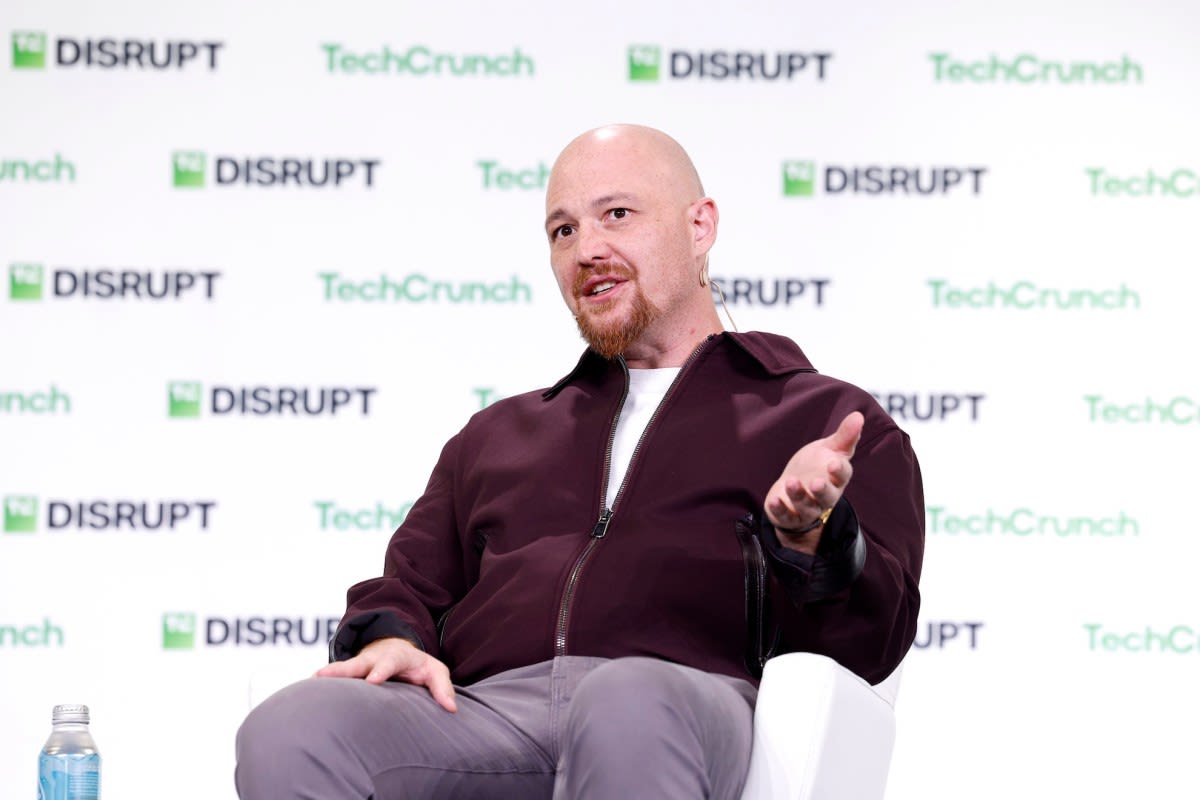
Replit has officially ended its primary partnership with Anthropic, shifting to OpenAI as its default model provider. CEO Amjad Masad cited improved performance, cost-efficiency, and superior benchmarking results as the primary drivers for this strategic pivot.
Replit Shifts Strategic Alliances: From Anthropic to OpenAI
In a significant pivot for the developer ecosystem, Replit CEO and co-founder Amjad Masad recently confirmed that the AI coding platform is concluding its primary working partnership with Anthropic. This announcement, made at TechCrunch Disrupt, marks a major transition in the infrastructure powering one of the most popular tools for startup founders and engineers. While Anthropic’s Claude models will remain accessible to Replit users, the platform’s default model provider is now OpenAI, signaling a fundamental shift in Replit's technical roadmap.
The Drivers of Change: Performance and Economics
The decision to transition away from Anthropic was not singular but rather a confluence of strategic priorities. Masad highlighted that cost-efficiency and performance metrics were the primary catalysts. In an industry where AI inference costs can escalate rapidly, the ability to optimize for both budget and speed is paramount. By integrating OpenAI as the default, Replit aims to leverage the latest advancements in large language models to maintain its competitive edge in the fast-paced coding assistance market.
Benchmarking Success: The Role of Sol and Astra
Central to this decision is Replit’s internal and public benchmarking process. Masad emphasized that the company utilizes rigorous metrics to assess how models handle the creation of "vibe-coded" applications—a term referring to rapid, intuitive software development. According to Replit’s internal data, their proprietary models, Sol and Astra, demonstrate superior performance when paired with OpenAI’s architecture compared to previous configurations. This data-driven approach highlights the importance of model-platform synergy in delivering a seamless user experience.
Broader Implications for the AI Ecosystem
This move reflects a broader trend in the AI industry: the increasing commoditization of foundation models. As developers and platforms gain the ability to swap model providers, the competitive advantage shifts toward platforms that can best integrate these models into a cohesive, high-performance workflow. Replit’s choice suggests that OpenAI currently offers a more compelling package for the specific needs of "building from scratch," which is a core value proposition for Replit’s user base.
Future Outlook and Strategic Flexibility
While the partnership with Anthropic is effectively ending in terms of default status, the continued availability of Claude on the Replit platform demonstrates a commitment to user choice. This "model-agnostic" approach is likely to become the standard for developer platforms, as it mitigates the risk of vendor lock-in. By maintaining the ability to plug in various models, Replit positions itself to rapidly adapt to future breakthroughs, ensuring that its users always have access to the most capable coding assistants available on the market.