SC bars online platforms from hosting subscription-based sexual content
Source Entity
India Latest News: Top National Headlines Today & Breaking News | The Hindu
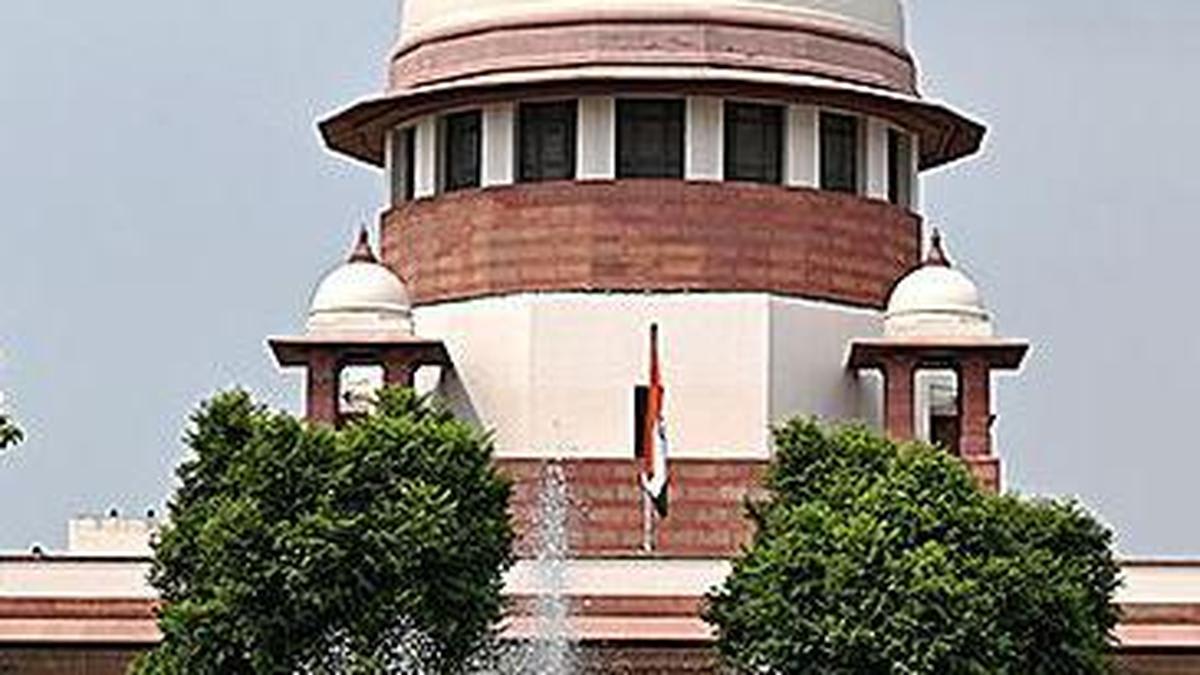
The Supreme Court has declared internet access a fundamental right for children, emphasizing that safety and freedom are compatible. It has directed social media platforms to implement 'child mode' features and strictly banned the hosting of sexually explicit content involving minors.
The Constitutional Mandate for Digital Inclusion
The Supreme Court of India, in a landmark observation led by Justices J.B. Pardiwala and K. Vinod Chandran, has affirmed that internet access constitutes a fundamental right for all individuals, including children, under Articles 21 and 19(1)(a) of the Constitution. This ruling reinforces the judiciary's stance that digital connectivity is essential for personal growth and freedom in the modern era. By explicitly including children in this right, the Court has shifted the narrative from viewing children as subjects of restriction to individuals entitled to a secure digital environment.
Rejecting Blanket Restrictions
A critical component of the Court’s directive is the rejection of blanket bans or total denial of internet access as a protective measure. The judiciary observed that such restrictions often force children to migrate to unregulated, underground platforms, thereby increasing their vulnerability to exploitation. Instead, the Court advocates for a nuanced approach where safety mechanisms are integrated into the platforms themselves, rather than severing the connection entirely.
The 'Child Mode' Paradigm
To bridge the gap between safety and liberty, the Supreme Court has proposed the implementation of a 'child mode' for social media accounts. This technological intervention is intended to provide a curated, safer experience for minors without infringing upon their fundamental right to access information. By mandating such features, the Court is placing the onus on social media intermediaries to design interfaces that prioritize age-appropriate safety standards by default.
Combating Child Sexual Exploitation and Abuse Material (CSEAM)
The Court has taken a stern stance against the proliferation of Child Sexual Exploitation and Abuse Material (CSEAM). Expressing deep concern over the non-compliance of intermediaries with 2024 directives, the bench has explicitly barred platforms from hosting, uploading, or promoting any content—including subscription-based or paywalled material—that has the propensity to harm children. This directive forces platforms to adopt rigorous reporting procedures and accountability measures.
Broader Implications and Future Trends
This ruling marks a significant shift in the legal responsibility of Big Tech in India. By linking internet access to constitutional rights, the Supreme Court has set a precedent that will likely lead to stricter regulatory oversight and the standardization of child-safety reporting portals. Future trends will likely see a push for centralized reporting mechanisms and more aggressive enforcement actions against intermediaries that fail to prevent the dissemination of harmful content, effectively mandating that corporate digital architecture must align with the fundamental rights of its youngest users.
Multiple Citing Sources
Verification Required?