Tilak Varma fires back, responds to criticism over low strike-rate in T20Is: ‘When you are the vice-captain…’
Source Entity
Latest News: Today's Latest News Headlines from India & World | Hindustan Times | Hindustan Times
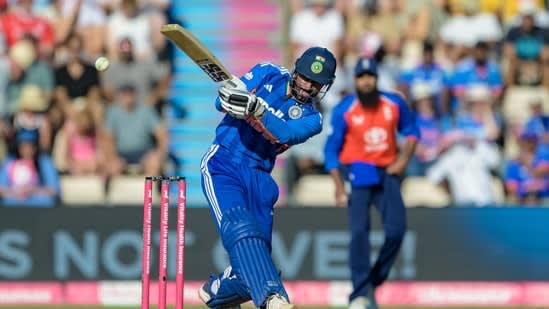
Indian cricketer Tilak Varma has defended his T20I strike-rate following criticism during the recent UK tour. He emphasized that his batting approach is dictated by team requirements and match situations rather than personal statistics.
Tilak Varma Addresses Performance Scrutiny
Recent T20I performances by Tilak Varma during India's tour of Ireland and England have sparked a significant debate regarding his strike rate. As a young player stepping into a leadership role as vice-captain, Varma faced intense media and public scrutiny after failing to maintain a high tempo, particularly against spin bowling. This analysis explores the nuances of his response and the tactical challenges he faced during a difficult tour.
The Burden of Leadership and Responsibility
Being named vice-captain ahead of more experienced players like Sanju Samson and Ishan Kishan placed Varma under a unique spotlight. In his own words, Varma noted that the role carries significant responsibilities that transcend individual batting statistics. He highlighted that when a player is entrusted with such a leadership position, the primary focus shifts to following team mandates and navigating match situations rather than chasing personal milestones or high strike-rate metrics.
Contextualizing the Strike-Rate Critique
Data from the UK tour shows a mixed bag of performances, with a recorded average strike rate of 131. Critics pointed to innings such as the 3 off 11 balls against England as evidence of him slowing the tempo. However, Varma argues that these performances must be viewed through the lens of team requirements. Frequently, he was tasked with rebuilding innings after top-order collapses, a role that necessitates a more cautious approach to ensure the team reaches a competitive total rather than risking an early dismissal.
Tactical Versatility vs. Public Perception
Varma has explicitly stated, "I can hit from ball one, but I play according to the situation." This highlights a clear divergence between the player's tactical instructions and the expectations of spectators who prioritize aggressive, high-scoring innings from the outset. By prioritizing the team's plan over his personal strike rate, Varma suggests that his role in the middle order is designed to provide stability, even if it results in periods of lower scoring rates.
Future Trends and Team Outlook
As India pivots toward its upcoming T20I series against Zimbabwe under the captaincy of Shreyas Iyer, the focus remains on rectifying the winless record from the UK tour. Varma's ability to evolve his game while maintaining the discipline required by the team management will be crucial. His performance in the Zimbabwe series will likely serve as a litmus test for whether he can balance the need for aggressive scoring with the strategic patience required to stabilize a middle-order collapse.
Conclusion
Ultimately, Tilak Varma’s response reflects the pressure faced by modern cricketers who must balance individual skill with the collective strategy of the squad. While the statistics from the UK tour provided fodder for critics, Varma’s commitment to team-first cricket suggests a level of maturity expected of a vice-captain. Whether his approach will satisfy the demands of modern T20 cricket remains to be seen, but his clarity on his role provides a necessary defense against the volatility of external criticism.
Multiple Citing Sources
Verification Required?