Tamil Nadu CM Vijay expands free bus travel scheme to benefit 84 lakh women
Source Entity
The Indian Express
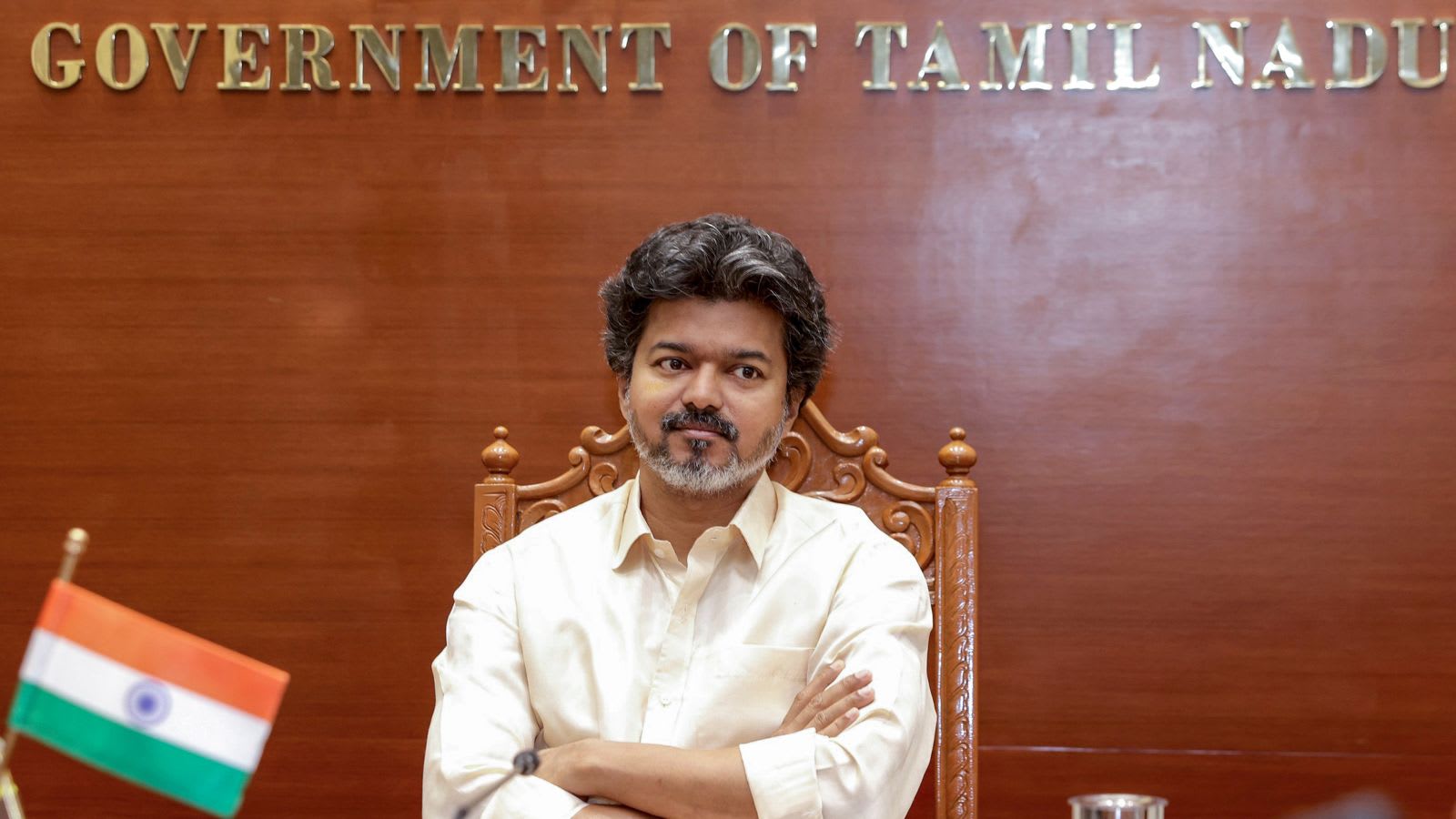
Tamil Nadu CM C. Joseph Vijay has launched the 'Vettri Payanam Thittam', an expanded free bus travel scheme for women and transgender people. The policy removes previous service limitations, aiming to bolster economic and educational access for 84 lakh beneficiaries.
The Expansion of Tamil Nadu's Free Public Transit Policy
Tamil Nadu Chief Minister C. Joseph Vijay has taken a significant step in social welfare policy by launching the 'Vettri Payanam Thittam' (Victory Journey Scheme). Announced on Gandhi Jayanti, October 2, 2026, this initiative represents a major expansion of the state’s existing efforts to provide accessible public transportation. By building upon the legacy of the five-year-old 'Magalir Vidiyal Payanam' scheme, the government is signaling a commitment to deep-rooted structural support for women and transgender individuals across the state.
Breaking Barriers to Mobility
The core of the Vettri Payanam Thittam lies in its inclusivity and removal of bureaucratic hurdles. Previous iterations of free transit often carried specific limitations on the types of buses eligible for the subsidy. Under this new mandate, the scheme now encompasses 'deluxe' and 'express' categories, ensuring that women are not restricted to basic services. By removing these barriers, the government is effectively reducing the cost-of-living burden for 84 lakh women, allowing them greater freedom to pursue employment and educational opportunities without the financial strain of daily commuting costs.
Strategic Implementation and Geographic Scope
The rollout of the scheme was marked by a highly visible demonstration of leadership, with CM Vijay personally interacting with commuters and distributing tickets on a bus in Chennai. While the implementation is statewide, it is important to note the localized exceptions: the program is temporarily paused in the Chengalpattu and Tiruppur districts due to ongoing bypolls in the Madurantakam and Dharapuram Assembly constituencies. This adherence to election conduct protocols demonstrates the administration's careful navigation of the state’s political landscape while rolling out large-scale social programs.
Socio-Economic Implications
Public transit is frequently cited by economists as a vital tool for economic empowerment. By providing 'no-fare' travel, the Tamil Nadu government is directly influencing the labor force participation rate for women. When transportation costs are eliminated, individuals—particularly those from lower-income households—are more likely to seek employment further from home, pursue vocational training, or attend higher education institutions. This scheme acts as a catalyst for social mobility, transforming the public bus network from a mere utility into a vehicle for societal progress.
A Broader Context of Welfare Politics
The choice of Gandhi Jayanti for the launch is symbolic, aligning the scheme with ideals of grassroots empowerment and social equity. Beyond the transit policy, the Chief Minister’s focus on broader welfare initiatives, such as the Perunthalaiwar Kamarajar Morning Meal Scheme, reflects a cohesive strategy centered on the 'Vettri Payanam' philosophy. By prioritizing the intersection of health, nutrition, and mobility, the current administration is attempting to create an integrated support system for its citizens.
Future Trends and Sustainability
As the Vettri Payanam Thittam moves into its operational phase, the state will likely face the challenge of maintaining service quality while managing the increased volume of passengers. The inclusion of transgender individuals in the program is a notable progressive step that broadens the scope of inclusivity in Indian public policy. Future success will depend on the government’s ability to sustain the financial requirements of this expansion while ensuring that the transport corporations remain efficient and well-maintained. This policy serves as a significant case study for other Indian states looking to leverage public infrastructure to drive social change.
Multiple Citing Sources