Why are rival Trinamool Congress factions competing to hold the July 21 Martyrs’ Day Rally? | Explained
Source Entity
India Latest News: Top National Headlines Today & Breaking News | The Hindu
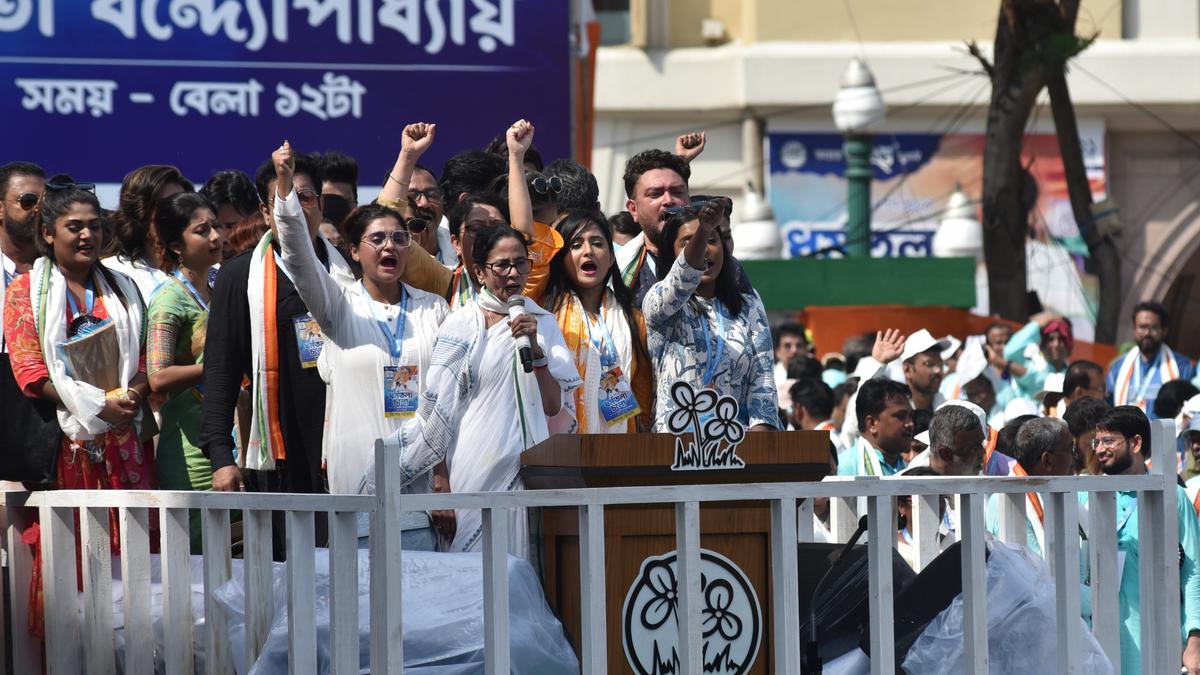
Rival factions within the Trinamool Congress (TMC) and the Congress party are currently competing to claim the political legacy and leadership of the annual July 21 Martyrs' Day rally in West Bengal, signaling deep-seated internal tensions and a battle for influence.
The Battle for July 21: Political Fragmentation in West Bengal
For over three decades, the July 21 Martyrs' Day rally has served as the definitive annual showcase of power for the Trinamool Congress (TMC) and its supremo, Mamata Banerjee. Traditionally, this event is not merely a commemoration of the 1993 police firing that killed thirteen people, but a strategic political tool used to demonstrate street power, mobilize the grassroots, and signal the party's dominance over the West Bengal landscape. However, the current year marks a significant departure from tradition, as the rally has become a flashpoint for competition between rival factions within the TMC and an assertive Congress party.
The Erosion of Monolithic Leadership
Historically, the Martyrs' Day rally was the undisputed domain of Mamata Banerjee, acting as a unifying force that brought together various party cadres under a single banner of resistance. The emergence of 'rival Trinamool factions' competing for the rally's legacy suggests a growing fragmentation within the party's internal hierarchy. This competition indicates that the monolithic structure of the TMC is facing challenges, possibly due to leadership aspirations among senior members or ideological rifts regarding the party's direction. When a symbol of unity like the July 21 rally becomes a site of contention, it reveals that the internal struggle for influence has moved from private meetings to the public sphere.
The Congress Party's Strategic Re-entry
Adding a layer of complexity to this internal strife is the involvement of the Congress party. For years, the relationship between the TMC and Congress in West Bengal has been a volatile mix of alliance and antagonism. By attempting to claim a stake in the political legacy of the Martyrs' Day event, the Congress is likely attempting to reclaim its lost relevance in a state where the TMC and BJP have largely squeezed it out. This move is a strategic attempt to appeal to the same voter base that values the 'martyrdom' and 'struggle' narratives, effectively trying to disrupt the TMC's monopoly over the legacy of political resistance in the state.
Broader Political Implications for West Bengal
This competition over a single rally has profound implications for the broader political stability of West Bengal. The spectacle of rival factions fighting over the right to lead a commemorative event suggests a vulnerability that opposing political forces, particularly the BJP, could exploit. If the TMC appears divided on its most sacred annual tradition, it sends a signal to the electorate that the party may be struggling with internal cohesion. The fight for the 'legacy' of July 21 is, in essence, a fight for the soul of the party and the right to define the narrative of the state's struggle against perceived oppression.
Predicting Future Trends in State Politics
Looking ahead, the outcome of this struggle for the July 21 rally will likely serve as a barometer for the TMC's internal health leading into future electoral cycles. If Mamata Banerjee can successfully suppress these rivalries and re-establish the rally as a unifying event, it will reinforce her absolute control. However, if the fragmentation persists, we may see the formalization of these factions into separate political entities or a shift in the power balance toward the Congress in specific pockets of the state. The rally is no longer just about remembering the past; it has become a battleground for determining the future leadership of West Bengal.
Conclusion
In summary, the competition surrounding the July 21 Martyrs' Day rally is a symptom of a shifting political tide in West Bengal. What was once a choreographed display of loyalty to a single leader has evolved into a complex struggle involving internal TMC dissidents and an opportunistic Congress party. As these factions vie for the legacy of the rally, they are not just fighting over a date on the calendar, but over the political legitimacy and the symbolic capital required to lead the state's masses.
Verification Required?