Trump admin targets tax-exempt status at private colleges — threatening a key tax break for donations
Source Entity
US Top News and Analysis
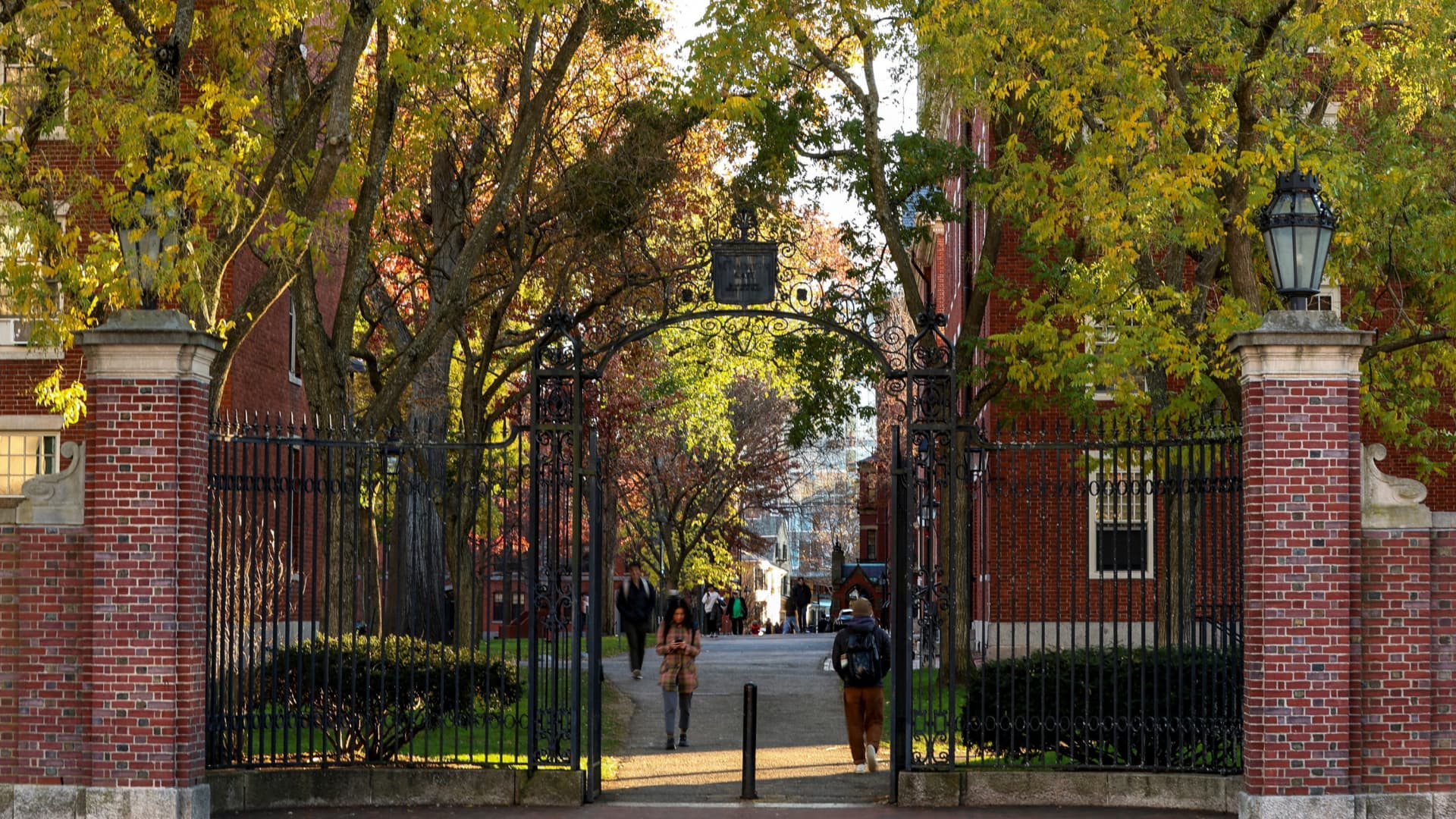
The U.S. Treasury has proposed regulations to revoke tax-exempt status for private schools that use race in admissions or aid processes. This move threatens significant financial implications for institutions and donors, with implementation planned for 2027.
The Shift in Higher Education Fiscal Policy
The U.S. Treasury Department and the Internal Revenue Service (IRS) have introduced proposed regulations that signal a significant shift in the federal oversight of private educational institutions. By targeting the tax-exempt status of schools that incorporate race as a factor in admissions or financial aid, the administration is challenging the long-standing fiscal frameworks that have traditionally supported private academia. This regulatory push represents a direct confrontation between federal policy and the autonomy of private universities to determine their own internal diversity and equity policies.
Implications for Institutional Funding and Donors
At the heart of this proposal lies the potential revocation of the tax-deductible status of donations made to these institutions. Currently, households benefit from tax breaks when contributing to private universities; however, if these schools lose their tax-exempt standing, the incentive for private philanthropy could diminish sharply. Beyond institutional coffers, this move threatens the stability of scholarship programs that rely on tax-advantaged funding, potentially creating a ripple effect that limits financial aid accessibility for students across the country.
Historical Context and Regulatory Scope
This initiative follows previous rhetoric from the Trump administration, which has scrutinized Ivy League institutions and other elite private schools over their internal policies. By formalizing these threats into proposed regulatory language, the government is attempting to codify a standard that penalizes the use of race in institutional decision-making. The scope of this mandate is broad, potentially affecting thousands of schools that currently operate under the umbrella of federal tax-exempt status.
The Path to Implementation
According to the current proposal, these regulations are slated to apply to taxable years beginning on or after May 31, 2027. This timeline provides a window for legal challenges and administrative feedback, which is expected to be contentious given the deep-seated philosophical divide regarding the role of race in higher education. Universities are likely to argue that such regulations infringe upon their institutional independence and academic mission, setting the stage for a protracted legal battle.
Future Trends in Academic Oversight
Looking ahead, this development suggests a new era of heightened federal scrutiny over private education. If finalized, these rules could force a fundamental restructuring of how universities manage their admissions and aid departments to maintain their financial viability. The broader trend indicates an increasing use of the tax code as a tool for social and political engineering, moving beyond mere revenue collection into the realm of ideological enforcement within the private sector.