Trump Says US Has "Enough" Weapons, Then Posts AI Images Of Strikes On Iran
Source Entity
NDTV News Search Records Found 1000
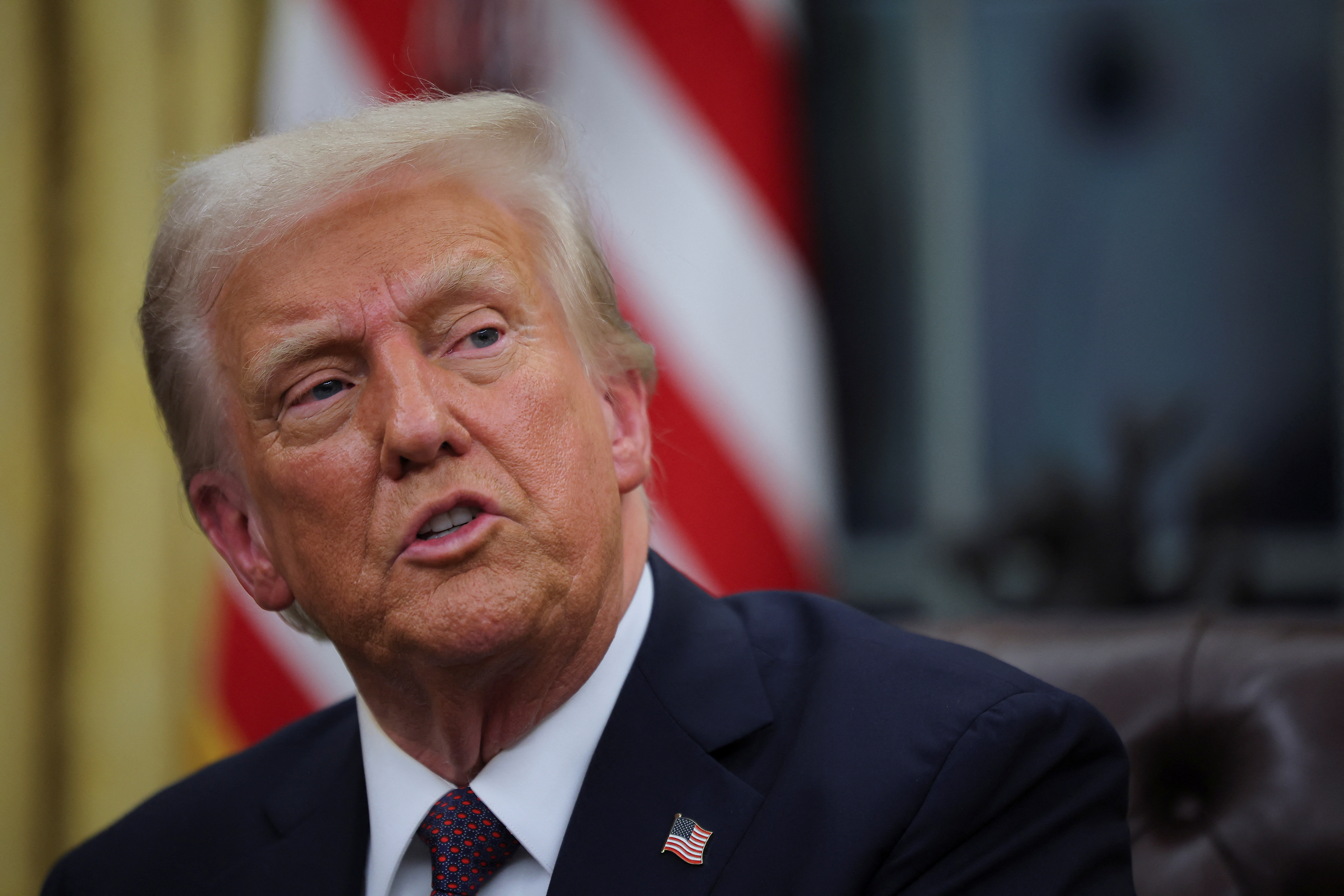
Former President Donald Trump recently asserted that the US arsenal is sufficient for current needs while simultaneously sharing AI-generated images depicting military strikes on Iran. This juxtaposition highlights the intersection of political rhetoric and the burgeoning influence of synthetic media in national security discourse.
The Intersection of Rhetoric and Synthetic Media
Recent reports indicate that Donald Trump has publicly asserted the United States possesses a sufficient stockpile of weaponry, specifically noting that the military has already deployed seven major types of armaments in current conflicts. This declaration serves as a strategic marker of his position on defense spending and military readiness, framing the current US inventory as both comprehensive and capable of managing ongoing global engagements without the immediate need for further expansion.
The Role of AI in Political Communication
However, this narrative was complicated by the simultaneous dissemination of AI-generated imagery depicting hypothetical military strikes on Iran. The use of synthetic media in a political context raises significant questions regarding the normalization of disinformation and the blurring lines between policy posturing and digital fabrication. By utilizing AI to illustrate potential kinetic actions, the discourse shifts from a debate over military capacity to a visual representation of geopolitical aggression that lacks a basis in current operational reality.
Analyzing Military Capacity and Strategy
The assertion that the US has deployed seven distinct classes of major weapons provides a specific, albeit narrow, window into the scale of modern military intervention. When analyzed against historical precedents, the reliance on a diverse array of sophisticated munitions suggests a high-intensity operational environment. Understanding the logistical and fiscal implications of maintaining such a diverse arsenal is crucial to evaluating the validity of the claim that the current inventory is "enough" to sustain long-term strategic objectives.
Geopolitical Implications of AI Imagery
Integrating AI-generated depictions of strikes on Iran into public commentary carries profound risks for international diplomacy. Such imagery can be misinterpreted by foreign actors as a signal of intent, potentially escalating tensions or triggering defensive posturing in regions already characterized by instability. The responsibility of political figures to distinguish between symbolic rhetoric and actual military planning has never been more vital, especially as synthetic tools become more accessible and realistic.
Future Trends in Political Discourse
As we look forward, the trend of using AI to augment political messaging is likely to accelerate, challenging the public's ability to discern fact from manufactured narrative. This incident serves as a precursor to a future where political debates may be increasingly defined by the veracity of digital artifacts rather than just policy substance. Ensuring transparency and maintaining a rigorous standard for information verification will be essential for voters and policymakers alike as they navigate this new digital landscape.
Conclusion
In summary, the combination of specific claims regarding military readiness and the deployment of AI-generated strike simulations represents a complex shift in political communication. While the focus on weaponry provides a grounded point for debate, the reliance on synthetic imagery introduces volatility into the geopolitical conversation. Moving forward, stakeholders must prioritize clear, factual communication to prevent the misinterpretation of digital content that could have real-world security consequences.
Verification Required?