Trump backs 'fantastic' Warsh while calling for lower rates and citing 'bad intentions' of other Fed officials
Source Entity
US Top News and Analysis
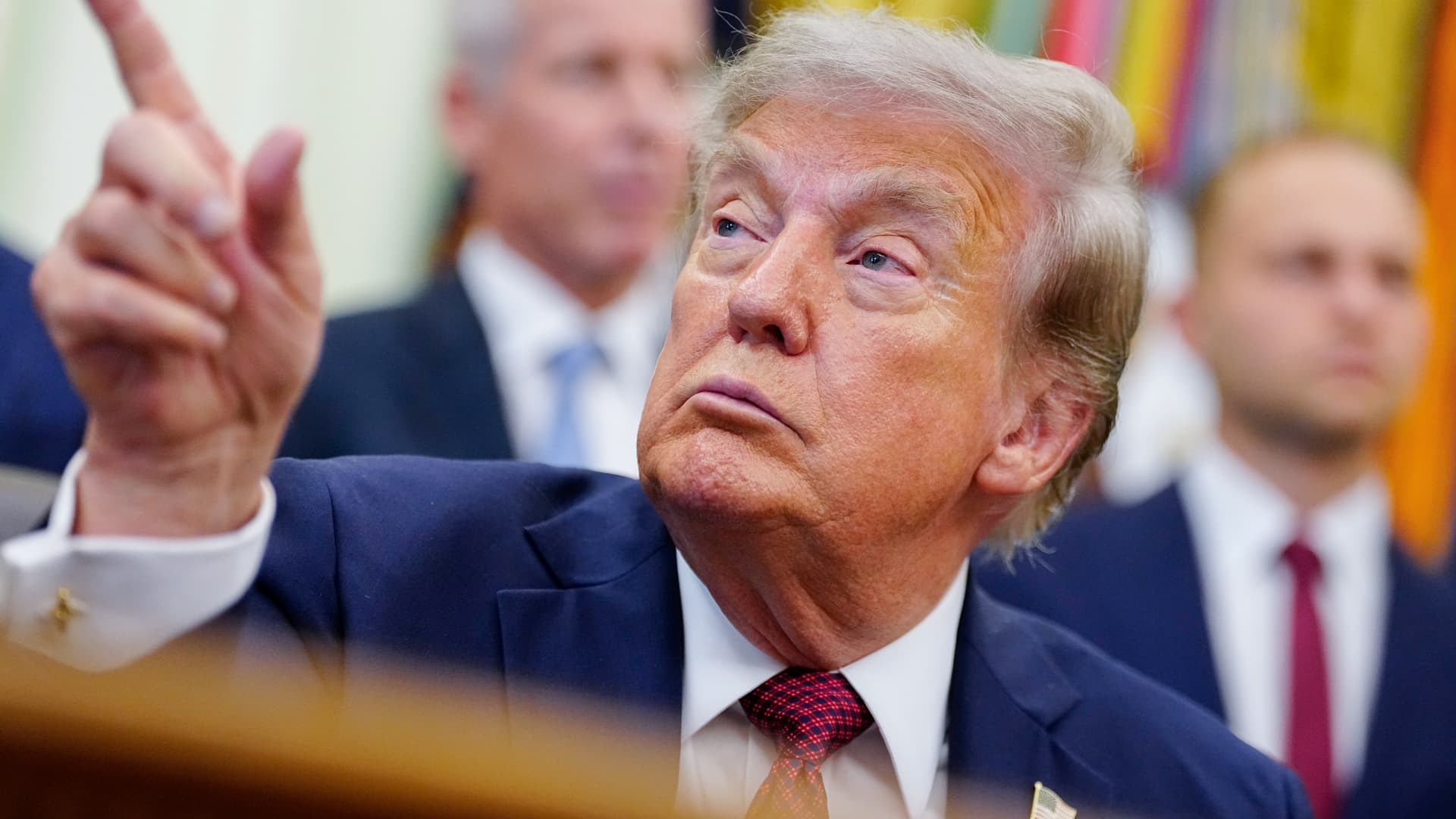
President Trump has publicly endorsed Federal Reserve Chair Kevin Warsh, praising his intentions while criticizing the remaining Board of Governors. The President is actively pressuring the central bank to lower interest rates to the lowest levels globally.
Presidential Pressure on Monetary Policy
President Donald Trump has publicly signaled his strong support for newly appointed Federal Reserve Chair Kevin Warsh, describing him as "fantastic" and asserting that Warsh intends to pursue policies aligned with the administration's economic goals. This endorsement comes at a pivotal time, as the President continues to advocate for a aggressive reduction in interest rates, aiming to position the United States as having the lowest borrowing costs in the world.
The Challenge of Institutional Inertia
Despite his confidence in Warsh, President Trump has expressed significant skepticism regarding the independence and motivations of the broader Federal Reserve Board of Governors. During comments made aboard Air Force One, the President characterized these board members as "very political," suggesting that their reluctance to ease monetary policy is rooted in "bad intentions" rather than objective economic analysis. This tension highlights a classic conflict between executive desires for growth-oriented stimulus and the central bank's traditional mandate of maintaining long-term price stability.
Implications for the FOMC
These remarks, delivered just days before a critical Federal Open Market Committee (FOMC) meeting, serve as a clear directive from the White House to the central bank. By framing Warsh as an ally who "wants to do the right thing" but is being held back by a resistant board, the President is effectively attempting to isolate the remaining governors. This strategy aims to create political pressure on the committee to align with the administration’s call for lower rates, potentially complicating the deliberative process within the Fed.
Historical Context of Fed Independence
Historically, the Federal Reserve has maintained a high degree of independence from the executive branch to prevent short-term political cycles from dictating monetary policy. President Trump’s explicit public commentary regarding specific board members and their internal motives marks a significant departure from the norms of the last several decades. This approach challenges the traditional insulation of the FOMC, suggesting a future where executive influence over monetary policy could become more direct and confrontational.
Future Trends and Market Reaction
Looking ahead, the relationship between the White House and the Federal Reserve will likely remain volatile. Investors and market analysts are closely watching these developments, as the prospect of aggressive rate cuts could significantly alter inflation expectations and market liquidity. Should the board continue to resist the President’s vision, we may see a prolonged period of public friction, leading to increased market uncertainty regarding the future direction of interest rates and the overall stability of the U.S. financial system.