Trump says he's banning MS NOW, CNN and Politico from White House
Source Entity
US Top News and Analysis
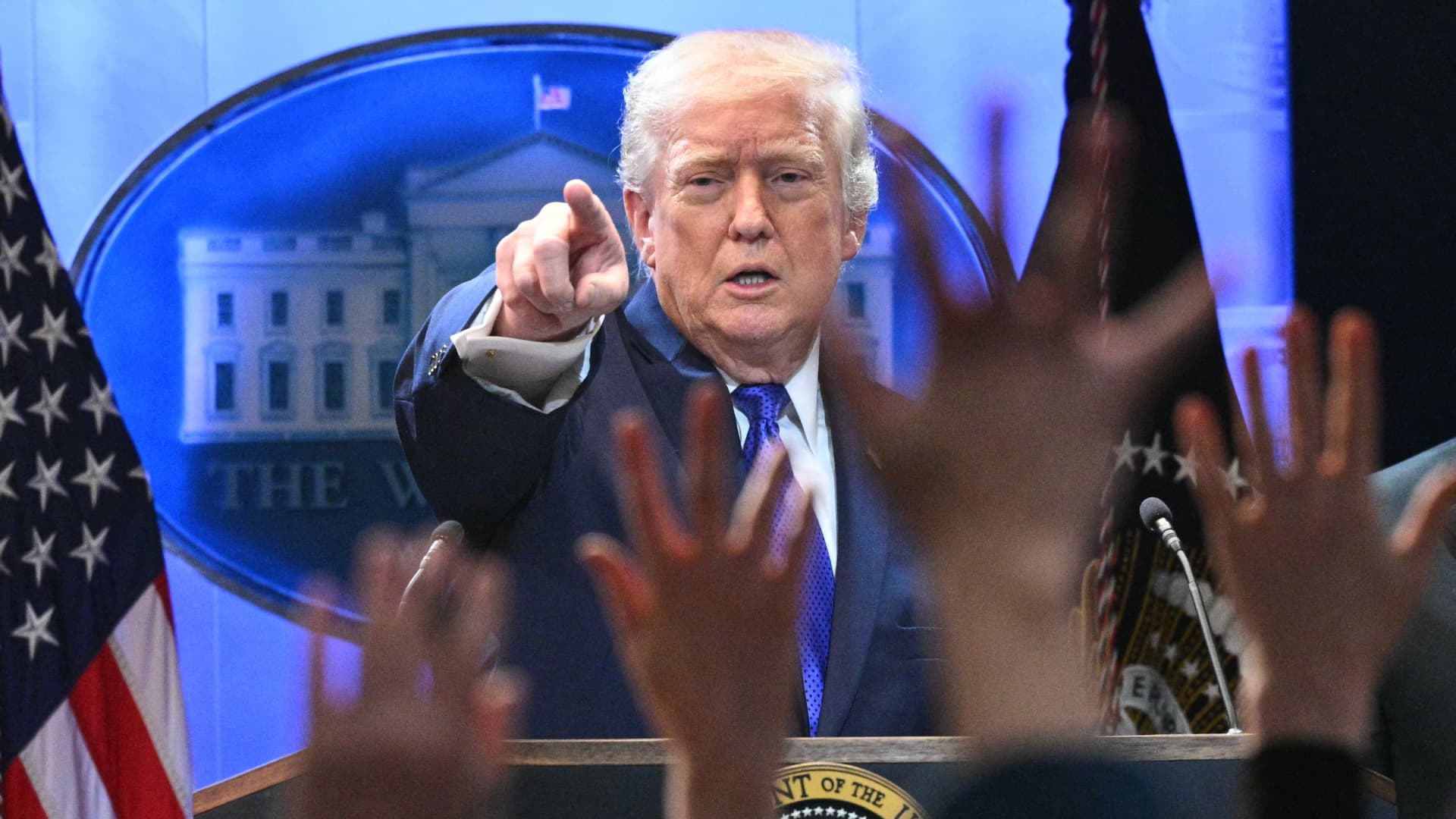
President Donald Trump has announced a ban on CNN, MSNOW, and Politico from the White House, citing dissatisfaction with their reporting. The President characterized their coverage as 'fake news' and threatened that more media outlets may face similar restrictions in the future.
Tensions Escalate: White House Media Access Under Review
President Donald Trump has formally announced the exclusion of three prominent media organizations—CNN, MSNOW, and Politico—from the White House premises. This administrative directive, communicated via the President's Truth Social platform, marks a significant shift in the relationship between the executive branch and the press corps. By labeling the coverage from these outlets as "fiction and lies," the President has signaled a hardening stance against traditional media entities that he perceives as hostile to his administration.
The Justification for Exclusion
The core of the administration's argument rests on the claim that these specific outlets engage in the dissemination of "fake news." While the President did not cite specific articles or segments that triggered the ban, his messaging suggests a broad dissatisfaction with the narrative framing employed by these organizations. By framing the exclusion as a response to "unfavorable coverage," the administration is asserting its prerogative to manage access to the White House briefing room and other governmental facilities based on its assessment of journalistic integrity.
Historical Context of Executive-Media Relations
Historically, the relationship between the White House and the press has been characterized by a delicate balance of scrutiny and access. While modern presidents have frequently sparred with the media, the active banning of specific news organizations represents an escalation of these tensions. This move mirrors previous instances where officials have questioned the impartiality of the press, yet it stands out for its directness and the explicit threat that "other Fake News Media Outlets to follow."
Implications for Press Freedom and Transparency
The decision to restrict these specific outlets raises substantial questions regarding the nature of a free press and the public's right to information. Critics often argue that barring journalists from the White House limits the scope of public accountability and restricts the flow of information from the executive branch to the citizenry. Conversely, supporters of such actions often argue that the administration has the right to curate its environment and deny access to entities that they deem to be operating in bad faith.
The Future of White House Briefings
As the administration threatens further prohibitions, the landscape of White House reporting faces a period of profound uncertainty. The potential for a narrowing of the press pool could fundamentally alter how information is disseminated and scrutinized. Future trends suggest that the administration may continue to bypass traditional media channels in favor of direct communication through social media platforms, effectively redefining the "White House press corps" and the standards required for entry into the Brady Press Briefing Room.
Conclusion: A Shift in Media Dynamics
This incident underscores the increasingly polarized nature of political discourse in the United States. As the administration continues to challenge the credibility of mainstream outlets, the divide between the government and the press appears to be widening. The long-term impact of these bans remains to be seen, but they clearly signal a new phase in the administration's strategy to control the narrative and minimize the influence of perceived opposition media.