Why Trump is banning CNN, Politico and MS Now from the White House; What we know so far
Source Entity
Latest News: Todays Latest News Headlines from India & World | Hindustan Times | Hindustan Times
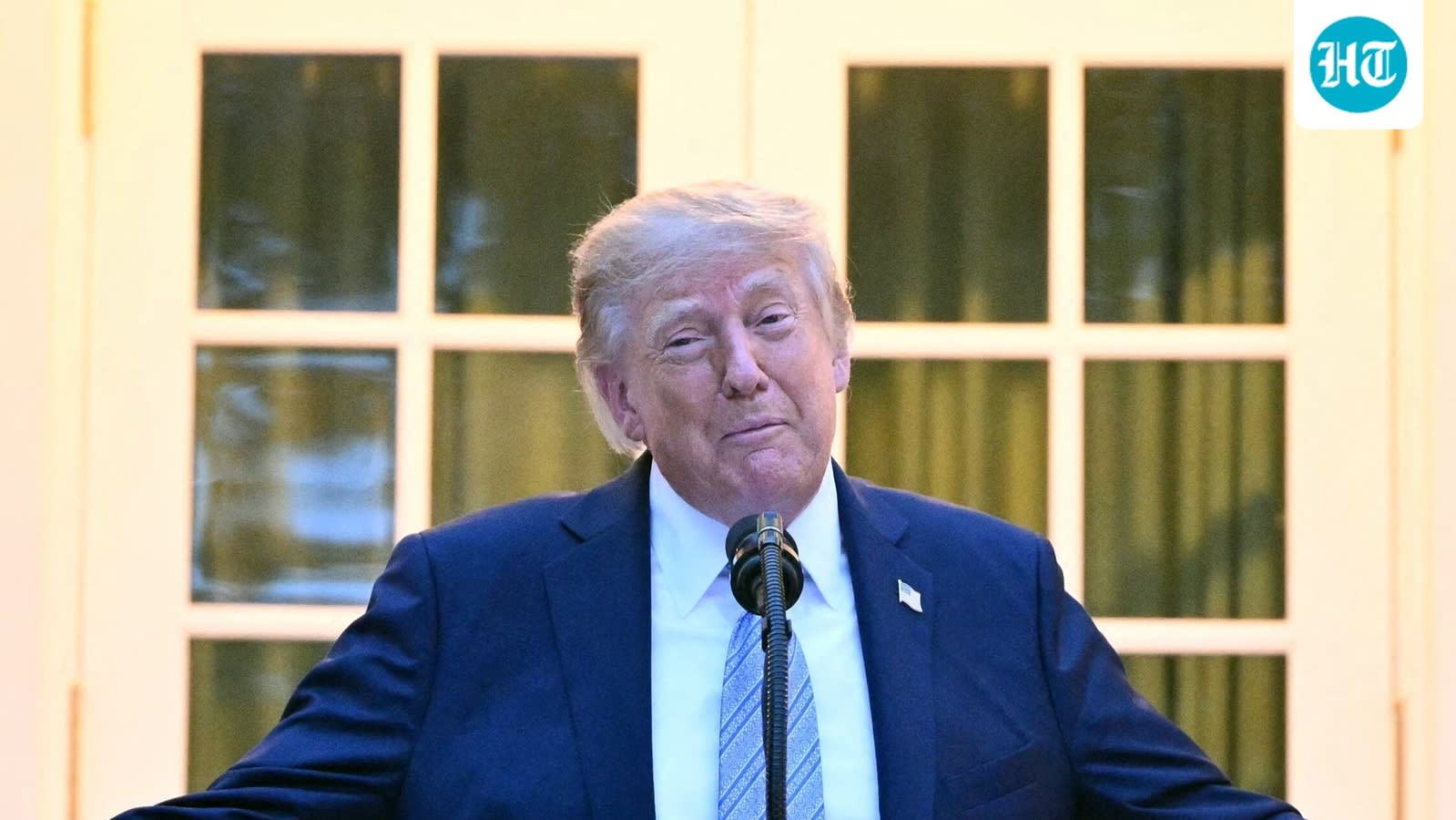
President Donald Trump has announced an immediate ban on CNN, MS Now, and Politico from the White House. He cited alleged 'fake news' and 'fiction' as the primary reasons for this exclusion. The president hinted that further media outlets may face similar restrictions in the future.
The White House Media Exclusion: A Shift in Executive Press Relations
President Donald Trump has taken the unprecedented step of banning three prominent media organizations—CNN, MS Now, and Politico—from White House access. Announced via his Truth Social platform, the President declared the ban effective immediately, framing the decision as a necessary reaction to what he characterizes as the persistent dissemination of "fake news," "fiction," and "lies." This development marks a significant escalation in the historically contentious relationship between the current administration and major news outlets.
The Justification and Rhetorical Strategy
In his public statements, President Trump did not point to specific articles or individual reports that triggered the ban. Instead, he utilized broad critiques, labeling these specific outlets as purveyors of misleading narratives. For MS Now, the President specifically referenced a recent rebranding from MSNBC, questioning its credibility, while he directed unique criticism toward Politico, alleging the outlet received an $8 million subscription payment from the previous administration. This rhetorical approach serves to delegitimize the institutional authority of these news organizations in the eyes of his supporters.
Institutional Implications for the Press Corps
The exclusion of these outlets from the White House fundamentally alters the landscape of the presidential press corps. By removing access to the Brady Press Briefing Room and other administration events, the administration effectively limits the ability of these organizations to provide real-time, on-site reporting. The President’s warning that "other Fake News Media Outlets to follow" suggests that this may not be an isolated event, but rather the beginning of a broader campaign to reshape which entities are permitted to interact with the executive branch.
Historical Context of Media-Executive Tensions
While tensions between the White House and the press are a staple of American politics, the formal banning of major networks represents a departure from traditional norms. Historically, the press corps has functioned as a primary conduit between the executive branch and the public. By restricting specific outlets, the administration is challenging the traditional role of a free press in maintaining government accountability, potentially setting a precedent for future administrations to selectively filter their media coverage based on ideological alignment.
Future Trends and Judicial Scrutiny
The immediate impact of this order remains to be seen, particularly regarding how the White House will handle credentialing moving forward. As the administration continues to frame this as a matter of "credibility" and "truth," legal and professional organizations will likely scrutinize the constitutional implications of such bans. If the administration continues to restrict access to additional outlets, it may trigger significant legal challenges concerning the First Amendment and the right of the public to access government information through their chosen media intermediaries.
Conclusion
This decision marks a pivotal moment in the current administration’s communications strategy. By bypassing traditional media channels and utilizing platforms like Truth Social to announce policy and personnel actions—including media bans—President Trump is reinforcing a direct-to-consumer model of governance. As the situation evolves, the core question remains whether this move will successfully shift the media narrative or whether it will exacerbate the existing polarization between the executive office and the mainstream press.
Multiple Citing Sources
Verification Required?