3 Things To Know About Trump's Election Fraud Allegations Againt China
Source Entity
NDTV News Search Records Found 1000
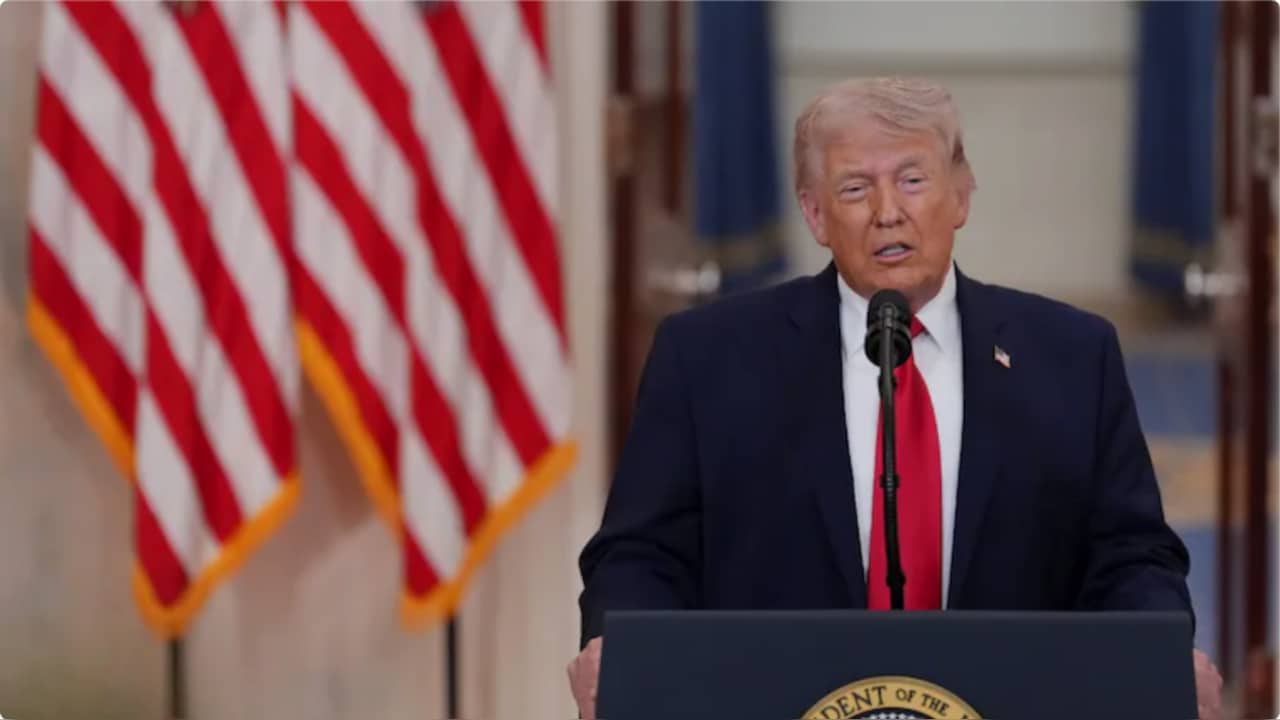
Former President Donald Trump has alleged that China compromised 220 million US voter files, framing these claims as evidence of election interference. However, officials and intelligence experts maintain that no evidence exists to suggest that foreign interference altered the outcomes of past US elections.
The Intersection of Election Security and Geopolitical Rhetoric
Former President Donald Trump has recently reignited his claims regarding the 2020 presidential election, shifting the narrative focus toward alleged foreign involvement by China. By utilizing recently declassified CIA documentation, Trump has leveled serious accusations, specifically claiming that China illicitly acquired 220 million US voter files. This maneuver serves as a dual-pronged strategy: it attempts to validate his long-standing grievances regarding the 2020 election while simultaneously drawing attention to the perceived vulnerabilities within the American electoral infrastructure.
Analyzing the Allegations of Data Compromise
The core of the current discourse rests on the claim that China orchestrated the largest compromise of election data in history. Trump’s assertion suggests that these files were obtained through significant vulnerabilities in voting machines and data management systems. These claims are designed to cast doubt on the integrity of the democratic process. However, it is critical to note that the intelligence community and various White House officials have clarified that these declassified documents describe security concerns that have been publicly acknowledged and addressed by election officials for several years.
The Institutional Response and Credibility Gaps
The response from political and intelligence circles has been one of skepticism. US Senator Mark Warner has pointedly noted that the intelligence officials Trump is currently criticizing regarding these leaks were, in fact, his own appointees during his first term in office. This creates a complex dynamic where the validity of the intelligence is being questioned by the very individual who oversaw the agencies that produced it. Furthermore, officials have clarified that the release of this material is intended to highlight ongoing security vulnerabilities ahead of future elections, rather than to serve as a factual basis for overturning past results.
Separating Speculation from Verified Outcomes
Despite the gravity of the allegations, there remains a definitive gap between the existence of cybersecurity threats and the proof of electoral manipulation. Multiple reports confirm that none of the declassified material supports the claim that foreign interference or fraud actually altered the outcome of the 2020 election. This distinction is vital for public discourse, as it separates the legitimate need for cybersecurity vigilance from the politically charged rhetoric surrounding election denialism.
Broader Implications for Election Integrity
The ongoing debate underscores the fragility of public trust in democratic institutions. By framing election security through the lens of a 'stolen' election, the discourse risks overshadowing the technical work being done by election officials to harden infrastructure against genuine state-sponsored cyber threats. As the nation moves toward future electoral cycles, the focus will likely remain divided between legitimate concerns over foreign data acquisition and the polarized political debate over the validity of historical election results.
Conclusion: The Path Forward
Ultimately, while the threats posed by foreign actors like China regarding data security are a matter of legitimate national security concern, they do not equate to evidence of a compromised electoral outcome. The attempt to conflate these two issues highlights the ongoing tension in American politics, where technical security assessments are often repurposed for broader political objectives. Moving forward, the challenge for both policymakers and the public will be to address real-world cybersecurity vulnerabilities without falling prey to unsubstantiated narratives regarding the sanctity of the vote.
Multiple Citing Sources
Verification Required?