Trump Says Iranians Getting "Very Serious" In Talks
Source Entity
NDTV News Search Records Found 1000
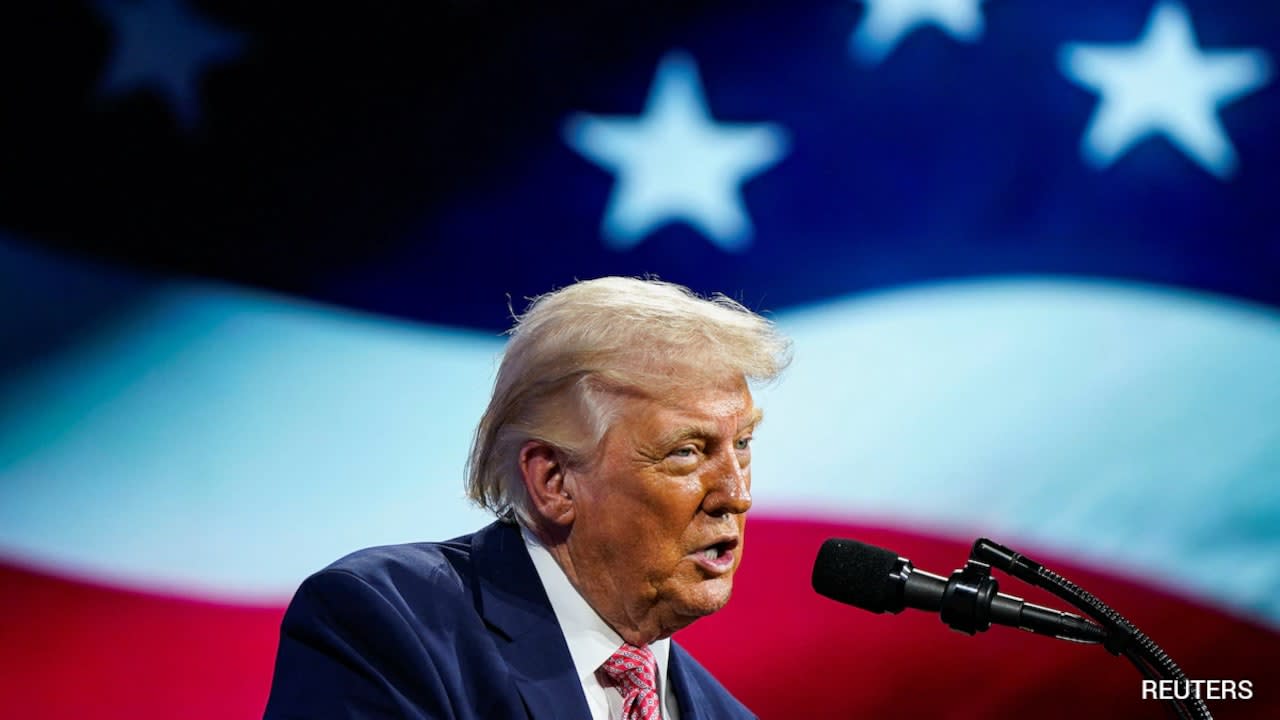
President Donald Trump is weighing a 'massive attack' on Iran following extended regional conflicts in the Red Sea. While military options remain 'locked and loaded,' the President has indicated that diplomatic channels are showing signs of potential progress.
The Escalating Standoff: U.S.-Iran Tensions Reach a Critical Inflection Point
Recent developments indicate a significant escalation in geopolitical friction between the United States and Iran, characterized by a dual-track strategy of intense military pressure and tentative diplomatic engagement. U.S. President Donald Trump has publicly disclosed that he is weighing a "massive attack" on Iran, describing a potential operation that would exceed the scale of any previous military action in the ongoing conflict. This rhetoric follows a period of sustained kinetic activity, with U.S. Central Command reporting 13 consecutive nights of strikes against Iranian targets, signaling a shift in the theater of operations to include the volatile Red Sea corridor.
The Strategic Calculus of 'Maximum Pressure'
The administration’s approach appears rooted in a "maximum pressure" doctrine, aimed at compelling Tehran to alter its regional security posture. By explicitly stating that Iran has not yet "received enough pain," the President is utilizing public messaging as a tool of coercive diplomacy. This strategy seeks to leverage the threat of overwhelming military force to force a change in behavior, particularly regarding Iranian regional influence and its alleged role in the Red Sea conflicts. The military readiness described by the President as "locked and loaded" serves to underscore the credibility of these threats to international observers and the Iranian leadership alike.
The Shift Toward Diplomatic Signaling
Despite the aggressive military posture, a nuanced shift has emerged in recent days. President Trump has noted that Iran is beginning to take diplomatic talks with Washington "very seriously." This suggests that the combination of sustained military strikes and the looming threat of an even larger operation may be creating the intended leverage necessary to bring Tehran to the negotiating table. The President’s admission that he has not yet made a final decision on a large-scale offensive highlights a strategic pause, allowing space for these emerging diplomatic signals to materialize.
Broad Implications for Middle Eastern Stability
The expansion of the conflict into the Red Sea represents a dangerous broadening of the battleground, threatening global shipping lanes and regional economic stability. The labeling of the United Kingdom as an "accomplice" by Iranian officials further complicates the geopolitical landscape, as it risks drawing additional international powers into the fray. The interconnected nature of these maritime security concerns means that any U.S. military escalation will likely have immediate ripple effects on global energy markets and international maritime law enforcement.
Future Trends and Potential Outcomes
Looking forward, the situation remains highly fluid. The path toward de-escalation depends heavily on whether the current diplomatic dialogue can produce tangible concessions from Tehran before the administration concludes that military force is the only remaining option. If the "serious" talks mentioned by the President fail to yield results, the threshold for a major military operation will likely be crossed. Conversely, if these talks lead to a meaningful de-escalation, it could mark a significant pivot in the administration's Middle East policy, shifting from kinetic confrontation to a structured diplomatic framework.
Multiple Citing Sources
Verification Required?