Trump declares robot imports a national security threat
Source Entity
Jeremy Hsu
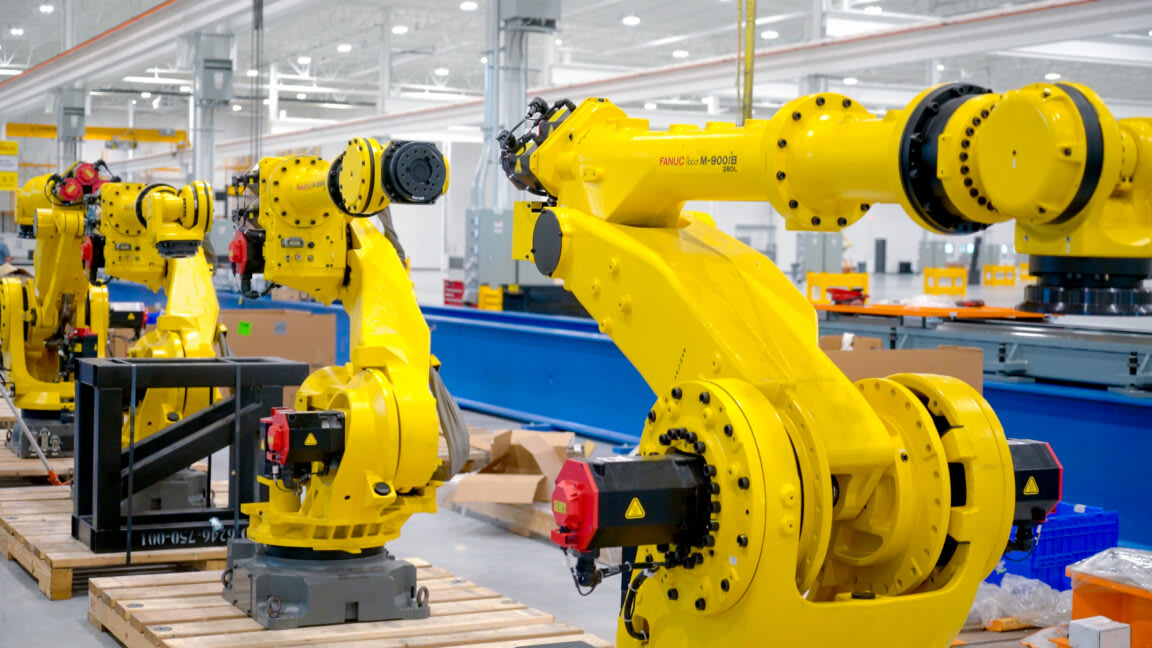
President Trump has officially labeled foreign-made factory robots a national security threat, initiating trade negotiations and potential tariffs. This move directly impacts major U.S. manufacturers, including automotive and defense leaders, who rely on international robotics for production.
The Strategic Pivot: Robotics as a National Security Concern
On October 28, President Donald Trump issued a significant presidential proclamation identifying the importation of foreign-made factory robots as a formal national security threat. This unprecedented move shifts the focus of trade policy from traditional commodities like steel and aluminum to the high-tech backbone of modern industrial production. By categorizing autonomous machinery under the umbrella of national security, the administration is laying the groundwork for restrictive trade measures, including the potential imposition of tariffs on robotic components essential to global supply chains.
The Impact on U.S. Industrial Giants
The proclamation directly affects the operational stability of several marquee U.S. corporations. Major automotive manufacturers, specifically General Motors, Ford, and Tesla, utilize advanced robotic systems to maintain efficiency and competitive pricing in the global market. Furthermore, the directive extends to the defense and aerospace sectors, impacting giants such as Boeing and Lockheed Martin. For these companies, a disruption in the supply of specialized robotics could lead to increased production costs, project delays, and long-term challenges in maintaining cutting-edge manufacturing capabilities.
Protecting the Defense Industrial Base
At the core of this executive action is the link between industrial robotics and military readiness. The proclamation highlights that these machines are not merely tools for commercial convenience but are critical infrastructure necessary for the assembly of advanced U.S. weapon systems. The administration posits that reliance on foreign-produced automation creates a strategic vulnerability; if a foreign adversary controls the hardware or software that builds American defense technology, the integrity of that technology could be compromised. This logic reflects a broader trend toward 'reshoring' critical manufacturing capabilities to ensure domestic self-sufficiency.
Trade Negotiations and Economic Leverage
By ordering new negotiations with trading partners, the administration is signaling a shift toward aggressive economic diplomacy. The threat of tariffs serves as a powerful bargaining chip intended to force trading partners to renegotiate trade terms that the current administration deems unfavorable. While the administration frames this as a necessary step to protect the U.S. industrial base, the move introduces significant market uncertainty. Corporations now face the prospect of adjusting their procurement strategies to mitigate the impact of potential future levies on essential capital goods.
Future Trends in Industrial Autonomy
This policy sets a precedent for how the U.S. government may regulate the intersection of artificial intelligence and physical manufacturing. As industrial robots become more sophisticated and integrated with cloud-based networks, the security risks associated with their foreign origin will likely only grow. We can expect to see increased scrutiny regarding the software embedded in these machines, potentially leading to stringent vetting processes or even bans on certain foreign robotic platforms. This trend underscores a future where industrial policy is inextricably linked to cybersecurity and geopolitical maneuvering.
Conclusion: Navigating a New Manufacturing Reality
The designation of foreign robots as a national security threat marks a pivotal moment for American manufacturing. While intended to fortify the U.S. defense industrial base and incentivize domestic innovation, the policy creates immediate hurdles for companies heavily integrated into global supply chains. As negotiations unfold, the manufacturing sector must prepare for a landscape where trade policy is dictated as much by security concerns as by economic efficiency, potentially redefining how American industry sources its technology in the coming decade.