Jammu & Kashmir HC strikes down water tax on hydropower projects
Source Entity
NASEER GANAI
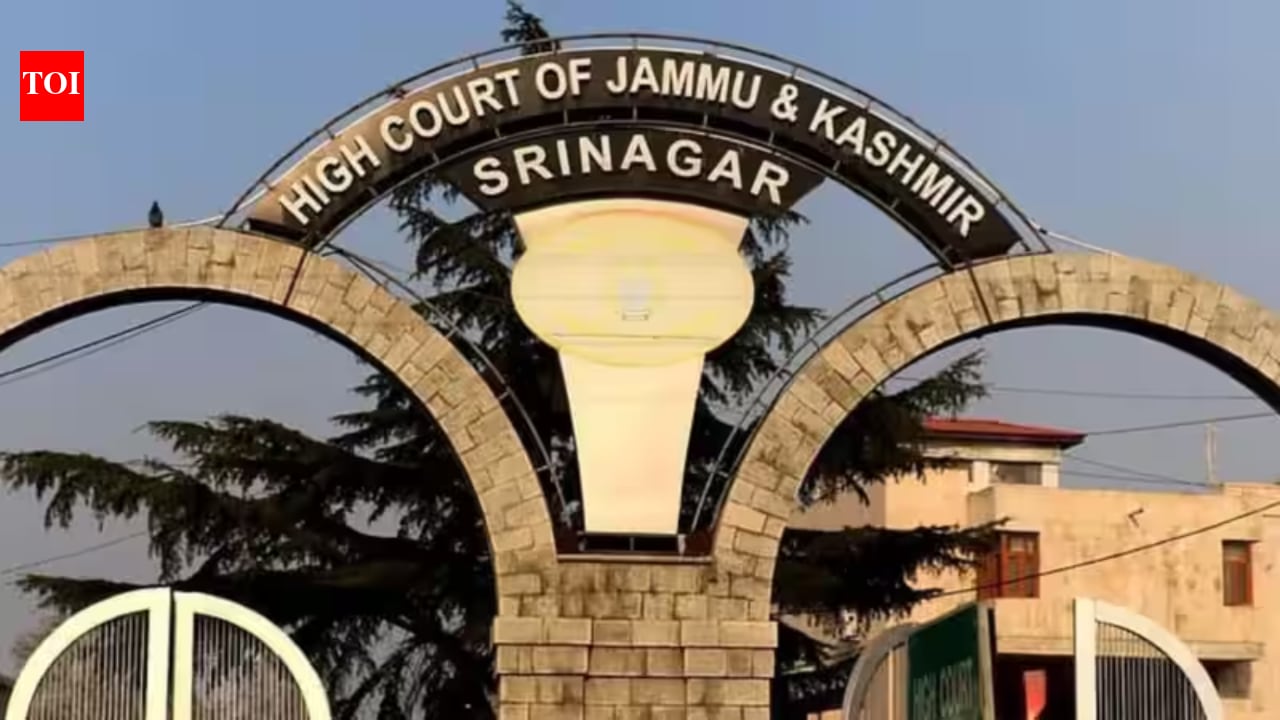
The Jammu & Kashmir and Ladakh High Court has struck down the 2010 Water Resources Act, ruling it unconstitutional. The court determined that levying water usage charges on hydropower projects constitutes an illegal tax on electricity generation.
Legal Shift in Jammu & Kashmir Hydropower Regulation
In a landmark decision, the High Court of Jammu & Kashmir and Ladakh has struck down key provisions of the Jammu and Kashmir Water Resources (Regulation and Management) Act, 2010. A division bench comprising Justices Sanjay Dhar and Rajnesh Oswal concluded that the government’s attempt to levy water usage charges on hydropower projects was, in effect, a tax on electricity generation. The court ruled that this action was beyond the legislative competence of the erstwhile state, rendering those specific provisions ultra vires the Constitution.
Constitutional Boundaries of Taxation
The core of the judicial intervention rests on the distinction between water management and the regulation of electricity. While states possess the authority to regulate water resources, the court emphasized that the power to tax electricity generation falls outside the scope of such local legislation. By labeling the water usage charges as a disguised tax, the bench has reaffirmed the constitutional limitations placed on regional legislative bodies when they intersect with sectors governed by national frameworks.
Impact on Independent Power Producers
The ruling provides immediate relief to 13 independent power producers, including entities such as Mass N Ergy Private Limited, Magpie Hydel Construction Operation Industries, and Choudhary Power Projects Private Limited. By quashing the demand notices issued by the administration, the court has effectively halted the collection of these controversial levies. This decision is expected to significantly alleviate the financial burden on private firms operating within the Union Territory's energy sector.
Historical Context and Legislative Scope
This dispute traces its roots back to the 2010 Act, which was designed to govern water usage across the region. For years, the application of this law created friction between the state administration and private power developers. The High Court’s current ruling serves as a corrective measure, clarifying that the legislative reach of the erstwhile state was never intended to encompass the taxation of electricity production, a domain that requires a different regulatory approach under the Indian constitutional scheme.
Broader Economic and Regulatory Implications
Looking ahead, this verdict will likely force the administration to rethink its revenue models for the hydropower sector. By restraining the government from imposing taxes under the guise of water usage charges, the court has signaled a stricter judicial oversight on how public policies impact the business environment. This could lead to a more stable, albeit restricted, regulatory landscape for future infrastructure investments in the region, ensuring that local policies remain strictly aligned with constitutional mandates.
Conclusion
The High Court's decision stands as a significant check on administrative overreach in Jammu and Kashmir. By prioritizing constitutional competence over local revenue generation, the judiciary has provided a definitive legal precedent that protects power producers from arbitrary taxation. Moving forward, this ruling will serve as a foundational reference point for any future discussions regarding the regulation of natural resources and their commercial exploitation in the Union Territory.