Trump defends DOJ subpoenas of NY Times reporters; Google also was targeted
Source Entity
US Top News and Analysis
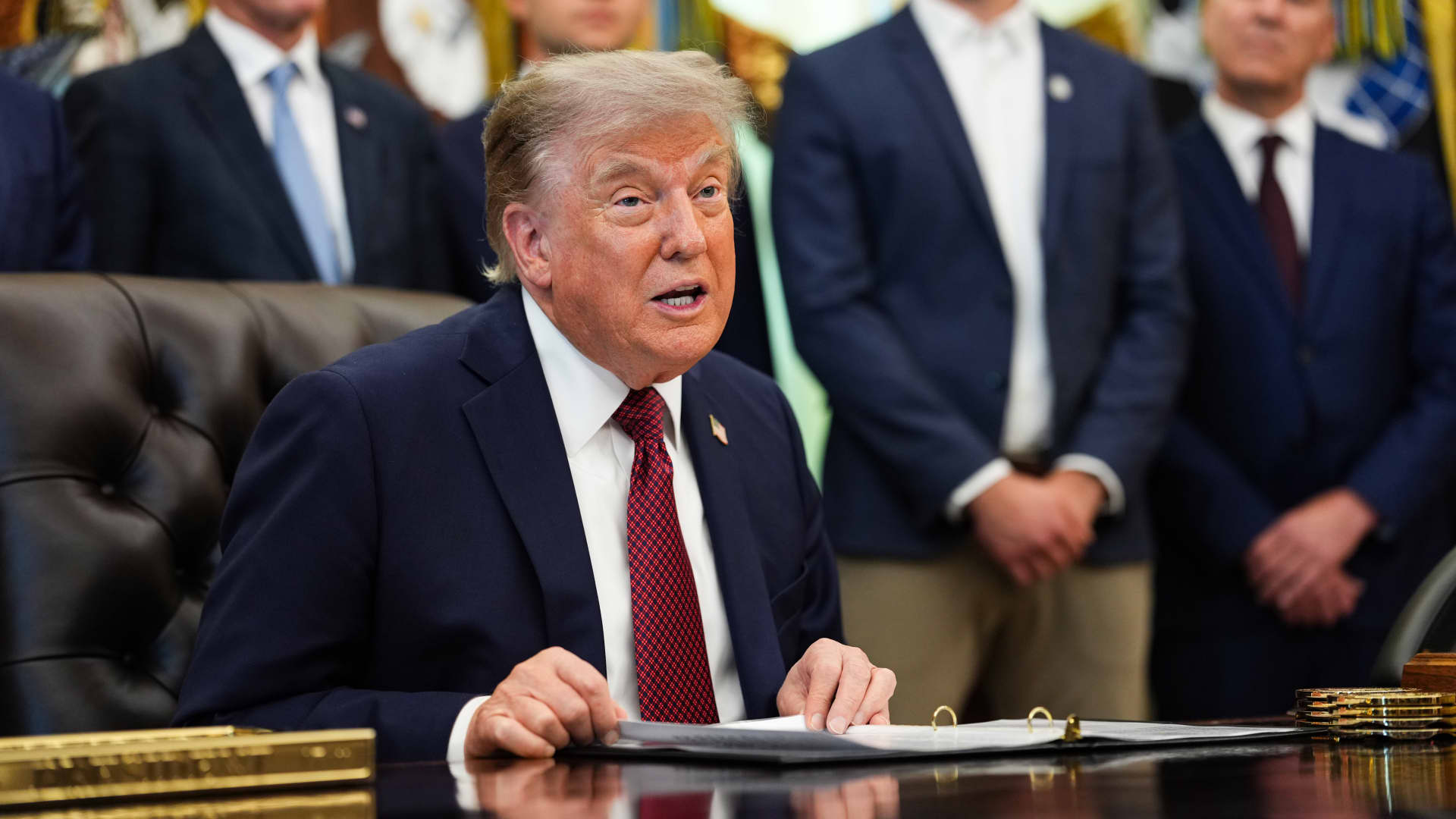
President Trump has defended the DOJ's use of subpoenas against journalists and Google regarding a leak about a Qatari-donated Air Force One. The DOJ has since withdrawn these subpoenas following the investigation into security concerns surrounding the aircraft.
The Intersection of Executive Security and Press Freedom
The recent controversy surrounding the Department of Justice's (DOJ) pursuit of New York Times reporters and Google data highlights a recurring tension between executive branch security protocols and the protections afforded to the press. The investigation centers on the unauthorized disclosure of security vulnerabilities regarding a new Air Force One aircraft, which was notably donated by the nation of Qatar. This situation underscores the administration's heightened sensitivity regarding the operational integrity of the presidential fleet.
The Role of Investigative Journalism and Government Leaks
At the heart of this conflict is the administration's attempt to identify the source of leaked information that appeared in The New York Times. By subpoenaing both journalists and tech giants like Google, the DOJ signaled an aggressive approach to protecting classified or sensitive infrastructure information. Historically, the use of subpoenas to compel journalists to reveal sources or provide phone records has been a flashpoint for constitutional debate, pitting the government's interest in national security against the First Amendment's role in maintaining government accountability.
The Qatari Connection and Aviation Security
The specific focus of the leak—security concerns regarding a plane donated by Qatar—adds a layer of geopolitical complexity. The acceptance of such a significant gift from a foreign power invites scrutiny regarding both the logistical standards of the aircraft and the potential for foreign influence or compromise. The administration’s defensive stance on these subpoenas suggests that the leak was viewed not merely as a breach of protocol, but as a direct threat to the safety of the President and the integrity of the nation's air transportation assets.
DOJ Policy Shifts and Legal Backtracking
Following public outcry and legal pressure, the DOJ’s decision to withdraw the subpoenas for the reporters' testimony and phone records marks a significant retreat. This pivot, occurring just one day after the initial defense of the actions, reflects the high legal bar required to override press freedoms in federal court. It also highlights the internal friction within the government, where agencies must weigh the urgency of a leak investigation against the optics and legal precedents established by pursuing members of the press.
Broader Implications for Digital Privacy
The inclusion of Google in the subpoena dragnet illustrates a modern trend where tech platforms become the primary battlefield for government investigations. As communication increasingly moves through encrypted channels or cloud-stored metadata, the government’s focus has shifted toward service providers. This case serves as a reminder of the vulnerability of digital footprints and the ongoing legislative battle to establish clear boundaries for when federal agencies can access private user data to track the sources of journalistic leaks.
Conclusion: Assessing Future Trends
While the current subpoenas have been withdrawn, the underlying issue regarding the security of the Qatari-donated aircraft remains unresolved. Moving forward, this event will likely serve as a case study for future interactions between the Executive branch and the judiciary regarding the protection of sensitive state assets versus the necessity of a free press. As the administration continues to navigate these security concerns, the balance between protecting the President’s travel and maintaining transparency will remain a critical point of contention in the national political discourse.